Bloomberg News
@Bloomberg-News·2.8M subscribers·40.1K videos
Covid Has Wiped Out the Economic Dreams of a Generation in Asia
Posted
October 7, 2020
Views
824
Likes
11
Comments
6
Engagement
October 7, 2020
824
11
6
2.06%
Every word spoken in this episode is indexed. Type any phrase to jump straight to the moment it was said.
Type any word or phrase that may have been spoken. Click a result to seek the player to that exact moment.
Try a name, a topic, or a quoted line
See what was published immediately before and after this episode.
 2:23Now Playing
Asia’s fast-growing economies for decades have offered millions of young people the chance to do better than their parents, a path to upward mobility now at risk as youth unemployment soars in a region home to a majority of the world’s 15- to 24-year-olds.
These young people -- just at the start of their working lives -- are losing jobs at a faster rate than older generations because almost half are clustered in the four economic sectors hurt most by the Covid-19 pandemic, including wholesale and retail trade, manufacturing, business services and accommodations and food service.
Young women and those on the lowest rungs of the job ladder are among the hardest hit, according to a report by the Asian Development Bank and the International Labour Organization that warns of a “lockdown generation” being left behind.
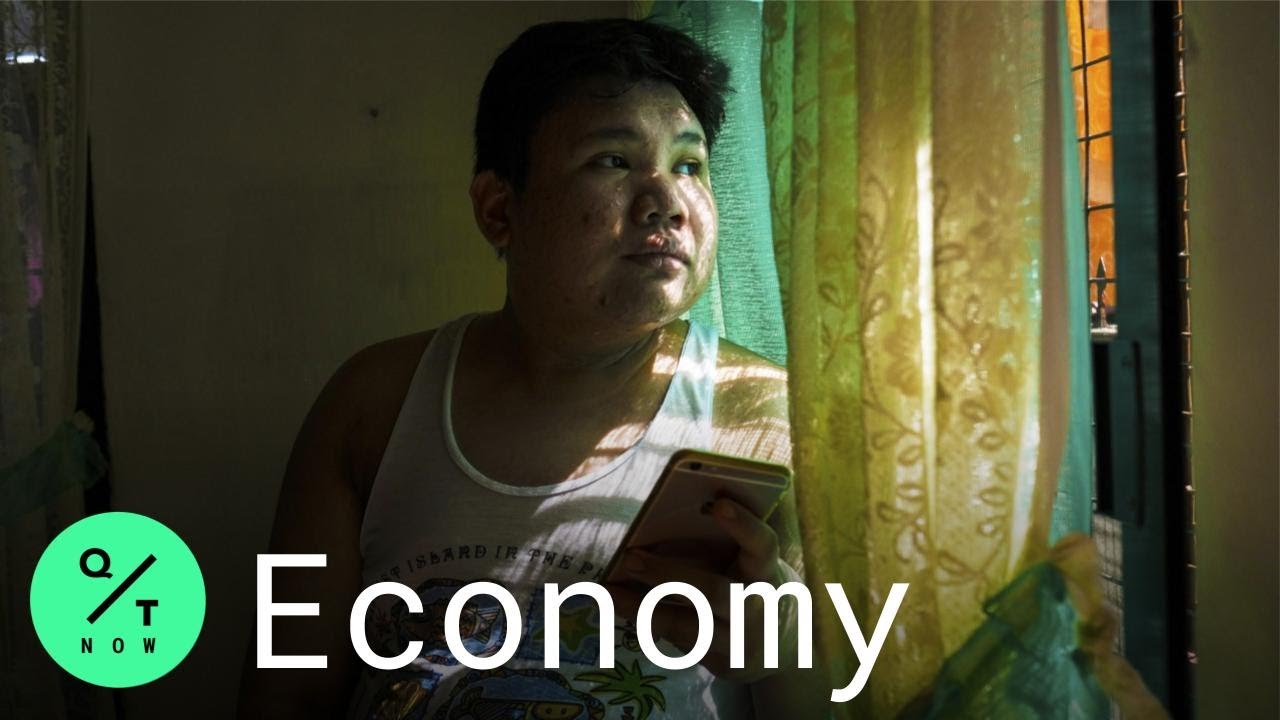
Pavisa Ketupanya, 26, from Bangkok, is among them. She had secured a pilot’s license and was planning to follow in her father’s footsteps flying commercial planes when the pandemic put an abrupt stop to her plans.
“When I received a license to become a commercial pilot, I thought this would be my lifetime job with good earnings,” Pavisa said. Instead, she’s relying on a hobby -- eyelash extensions -- to bring in some money until the economy improves. “It earns a fraction of my pilot job, but it’s better than nothing.”
Stories like hers are replicated across the Asia Pacific region where as many as 15 million jobs for teenagers and young adults could be lost in 13 countries this year, according to the ADB and ILO report.
The Covid-19 shock is creating a class of “new poor” across East Asia and the Pacific with an additional 38 million people expected to be living in poverty, according to the World Bank.
Wei-Jun Jean Yeung, founding director of the Center for Family and Population Research at the National University of Singapore, warns that this crisis will strain relations with older generations, puts at risk young people’s mental health and is shaping up to be worse than previous jobs crisis.
“This time the impact is much worse because it is multiple stress coming together simultaneously,” she said. “And this time it is going to last longer so the impact is going to be much more severe.”
The impact on families that Yeung warns about hits home for JM Dimaunahan in Manila, 22, who has been scraping by on his parent’s retirement income during an unsuccessful job search after graduating with a degree in sociology. Instead of landing a marketing job as expected, he is setting his immediate sights much lower on work in a call center.
“Some companies make it explicit that their hiring process is on hold due to the pandemic,” he said. “I’m under pressure since nobody’s earning for the family and we can’t rely just on the retirement money for our daily expenses.”
Breaking that cycle for those like Dimaunahan won’t be possible without government support or a rapid economic recovery as the virus is eventually controlled and jobs return.
Subscribe to our YouTube channel
QUICKTAKE ON SOCIAL:
Follow QuickTake on Twitter: twitter.com/quicktake
Like QuickTake on Facebook: facebook.com/quicktake
Follow QuickTake on Instagram: instagram.com/quicktake
Subscribe to our newsletter
Email us at quicktakenews@gmail.com
QuickTake by Bloomberg is a global news network delivering up-to-the-minute analysis on the biggest news, trends and ideas for a new generation of leaders.
Sentinel Indexing in Progress
Metadata and chapters are available. Claim extraction for this episode is pending.
All video content is delivered via YouTube embedded players in accordance with the YouTube Terms of Service. Sentinel provides research tools that promote discovery and accountability across political media.