Bloomberg News
@Bloomberg-News·2.8M subscribers·40.1K videos
LIVE: Trump Halts Covid-19 Stimulus Talks Until After Election, Roiling Markets | Happening Today
Posted
October 7, 2020
Views
903,414
Likes
3,872
Comments
1
Engagement
October 7, 2020
903,414
3,872
1
0.43%
Every word spoken in this episode is indexed. Type any phrase to jump straight to the moment it was said.
Type any word or phrase that may have been spoken. Click a result to seek the player to that exact moment.
Try a name, a topic, or a quoted line
See what was published immediately before and after this episode.
 1:41
1:41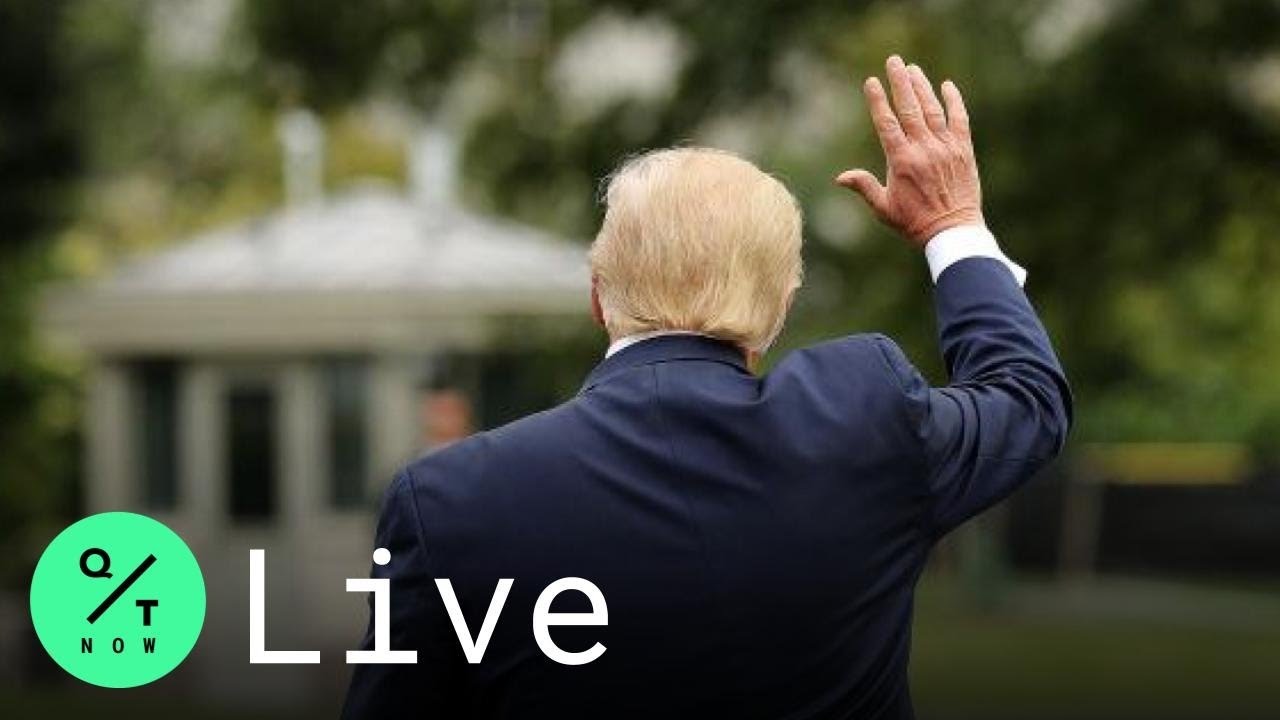 Now Playing
(Oct. 7) President Donald Trump ended talks with Democratic leaders on a new stimulus package, hours after Federal Reserve Chair Jerome Powell’s strongest call yet for greater spending to avoid damaging the economic recovery.
“I have instructed my representatives to stop negotiating until after the election when, immediately after I win, we will pass a major Stimulus Bill that focuses on hardworking Americans and Small Business,” Trump said Tuesday in a tweet.
Stocks tumbled after Trump’s posting called an end to months of hard-fought negotiations between the administration and Congress. Democrats had most recently pushed a $2.2 trillion package that failed to garner Republican support in the House, while the White House had endorsed $1.6 trillion.
The S&P 500 fell from the day's highs and quickly hit a session low.
The S&P 500 Index closed down about 1.4%, after having risen earlier in the day in the wake of Powell’s mounting pressure on policymakers to act.
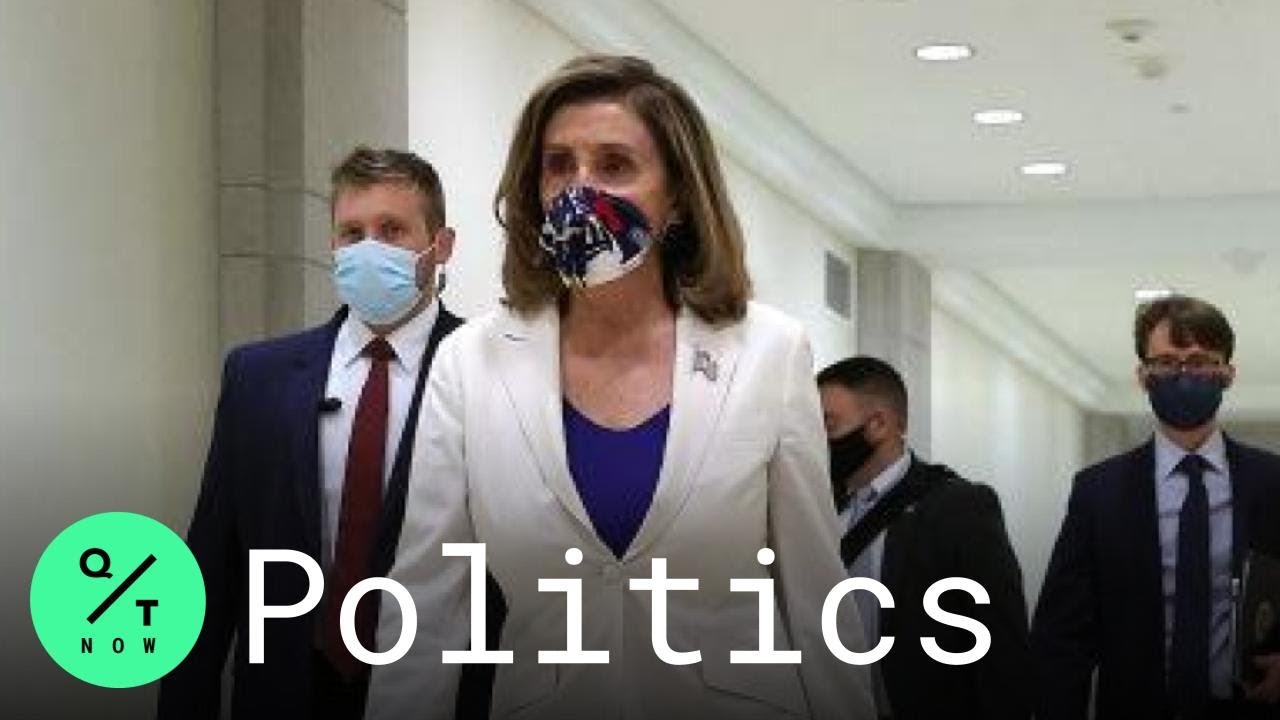
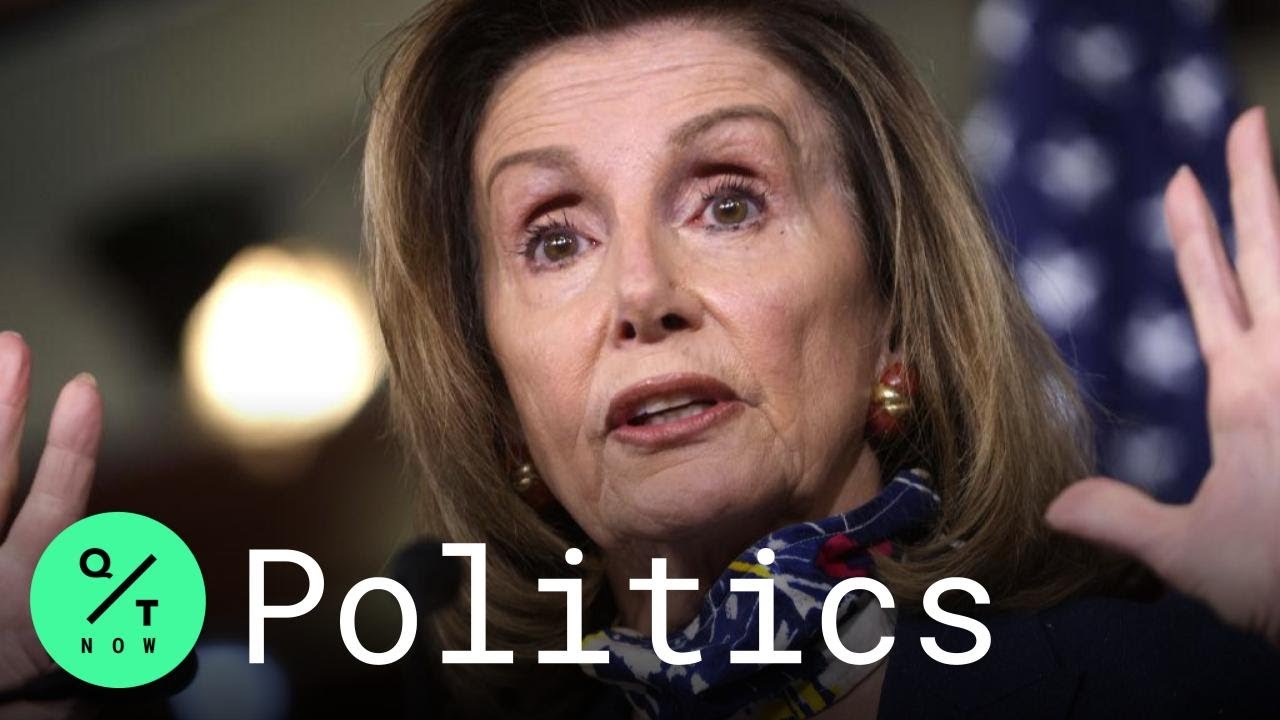
House Speaker Nancy Pelosi continued to insist on $2 trillion or more in stimulus, according to a Republican familiar with the negotiations, while the GOP lacked votes for such a large package.
The legislation that the House passed last week with only Democratic support also had measures opposed by Republicans, including government-funded health coverage for abortions and stimulus checks for undocumented immigrants.
Pelosi repeatedly invoked the Fed chair in her calls for Republicans to move toward the Democrats’ more comprehensive bill. Some recent economic data, along with a resurgence in coronavirus counts in some states, also suggested to many analysts that government assistance was becoming more pressing.
“Even if policy actions ultimately prove to be greater than needed, they will not go to waste,” Powell told a virtual conference hosted by the National Association for Business Economics Tuesday morning. “Too little support would lead to a weak recovery, creating unnecessary hardship for households and businesses.”
Pelosi said Trump’s willingness to walk away from negotiations shows “the White House is in complete disarray.”
Pelosi earlier told House Democrats on a conference call that Trump’s thinking might be affected by steroids he’s taken to treat his coronavirus infection, according to a lawmaker on the call.
After Trump’s tweet, Treasury Secretary Steven Mnuchin, who had been leading negotiations for the White House, formally told Pelosi that the talks had been halted.
The House speaker suggested Tuesday night at a 92nd Street Y virtual event that if there is still no stimulus deal in the post-election lame-duck session of Congress, some of the virus relief funding could be added to a must-pass spending bill needed to keep the government open after Dec. 11.
Nancy Pelosi is asking for $2.4 Trillion Dollars to bailout poorly run, high crime, Democrat States, money that is in no way related to COVID-19. We made a very generous offer of $1.6 Trillion Dollars and, as usual, she is not negotiating in good faith. I am rejecting their...
Trump’s announcement by tweet that he was pulling the plug on talks was a turnabout from three days ago when he tweeted while at Walter Reed National Military Medical Center that the country needed stimulus and the two sides should “WORK TOGETHER AND GET IT DONE.”
Trump conferred by telephone Tuesday with Mnuchin, Senate Majority Leader Mitch McConnell and House Republican leader Kevin McCarthy before his tweets ended talks for now.
McConnell has been explicit that Senate Republicans weren’t interested in a bill with a $2.2 trillion price tag, while Pelosi continually demanded the administration increase its bid. McConnell also has in his ranks a faction that doesn’t want to spend much more at all.
Mnuchin and White House Chief of Staff Mark Meadows were working on a $1.6 trillion counteroffer to Pelosi, that likely wouldn’t have been pursued without the Senate majority leader’s blessing. McConnell said publicly only that the GOP would look at the White House offer.
It wasn’t just the dollar figure that split the two sides. McConnell and many other Republican senators also opposed a bailout for state and local governments, arguing much of that would have gone to blue states to pay for existing financial problems. And Republicans had many other complaints with Pelosi’s blueprint, which they regarded as a partisan wish-list, preferring a more tailored and cheaper approach focusing on aid for schools, businesses and virus-related health care.
QUICKTAKE ON SOCIAL:
Follow QuickTake on Twitter: twitter.com/quicktake
Like QuickTake on Facebook: facebook.com/quicktake
Follow QuickTake on Instagram: instagram.com/quicktake
Subscribe to our newsletter
Email us at quicktakenews@gmail.com
QuickTake by Bloomberg is a global news network delivering up-to-the-minute analysis on the biggest news, trends and ideas for a new generation of leaders.
Sentinel Indexing in Progress
Metadata and chapters are available. Claim extraction for this episode is pending.
All video content is delivered via YouTube embedded players in accordance with the YouTube Terms of Service. Sentinel provides research tools that promote discovery and accountability across political media.