Bloomberg News
@Bloomberg-News·2.8M subscribers·40.1K videos
Biden’s Diversity Policies May Line Up With Corporate America’s
Posted
November 17, 2020
Views
471
Likes
10
Comments
19
Engagement
November 17, 2020
471
10
19
6.16%
Every word spoken in this episode is indexed. Type any phrase to jump straight to the moment it was said.
Type any word or phrase that may have been spoken. Click a result to seek the player to that exact moment.
Try a name, a topic, or a quoted line
Episode Timeline
Every episode in order around the one you’re watching — click any card and the page flips straight to it.
 0:38
0:38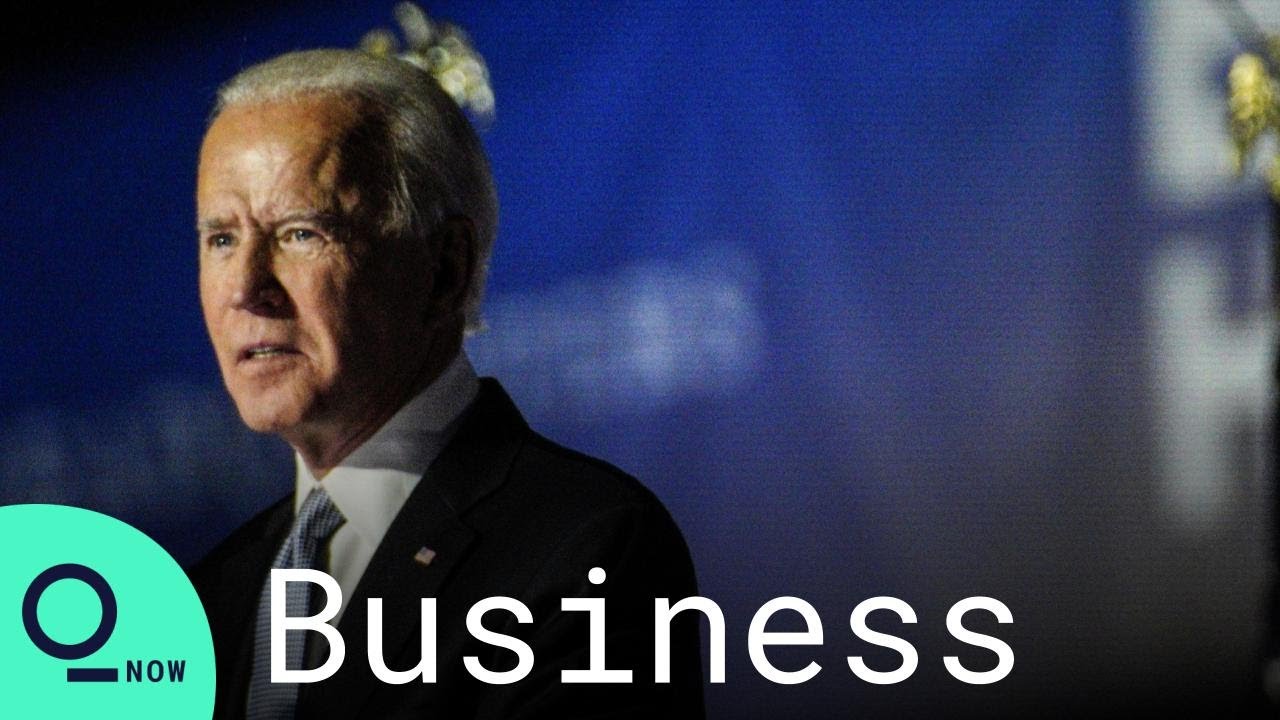 5:50Now Playing
In a twist, companies probably will find themselves more in line with the diversity and inclusion policies of President-elect Joseph Biden than with the departing administration of Donald Trump.
Part of the explanation can be found in the upending of the traditional alliance of business and Republican administrations. The U.S. Chamber of Commerce, Business Roundtable and large companies such as Microsoft Corp. have been at odds with Trump’s Labor Department and other regulators on workplace policy. Outrage over the killing of George Floyd and the disproportionately high death rate of Black Americans from Covid-19 have led many companies to expand programs to promote workplace fairness, drawing opposition from the Trump administration.
Biden is expected to quickly dispense with some Trump policies, said James Plunkett, the former director for labor law policy at the U.S. Chamber of Commerce. Biden’s comments during the election campaign suggest he will push for more pay transparency and a tougher line on diversity among federal contractors, who employ about a quarter of U.S. workers, he said.
“Some people now believe that firms have a social role,” said Scott Yonker, a professor of economics at Cornell University. “And even if there aren’t regulations, then the corporation should have a soul and do what’s right.”
The shift in thinking is a departure from the more traditional approach from business and Republicans, popularized by economist Milton Friedman, who argued that the role of a company is to maximize shareholder returns within the current regulatory environment, Yonker said. In response to pressure from investors and activists, the Business Roundtable, a group of the largest company chief executive officers, said late last year that it was breaking with 50 years of Friedman-style policy and members now would aim to take into account the interests of employees and society.
In contrast, Trump’s Labor Department chastised Microsoft and Wells Fargo & Co. for setting hiring targets for Black executives, started a hotline to root out diversity training deemed discriminatory to White employees and established rules to make it more difficult for large pension funds to advocate for social change if their initiatives do not promote maximizing retirement returns.
One limitation will be the control of Congress. If Republicans retain their majority in the U.S. Senate, a fate that will be decided in two Georgia runoff elections in January, Biden will be limited to executive orders that were the mainstay of the second half of both Barack Obama and Trump’s presidencies.
Trump issued 196 executive orders through late October and Obama issued 295, according to a report by the employment law firm Littler’s Workplace Policy Institute shortly after the Nov. 3 election. Some of Biden’s workplace initiatives may also be delayed by a need to focus on the record number of new Covid-19 infections, the Littler report said.
“There are a lot of folks going back to their files or refreshing their recollection from the Obama administration,” said Plunkett, now the senior government relations counsel with law firm Ogletree Deakins. “It’s no secret that policy never really dies in Washington.”
A Biden administration will “at a minimum” return to Obama-era policies, said Maya Raghu, the director of workplace equality and senior counsel at the National Women’s Law Center. The list of potential Biden advisers includes former Equal Employment Opportunity Commission Chair Jenny Yang, former Solicitor of Labor Patricia Smith and other well-known faces in the workplace policy sphere.
“There are deep structural problems with our economy and in our workplaces that can’t be addressed in small steps,” Raghu said.
Subscribe to our YouTube channel
Bloomberg Quicktake brings you live global news and original shows spanning business, technology, politics and culture. Make sense of the stories changing your business and your world.
To watch complete coverage on Bloomberg Quicktake 24/7, visit or watch on Apple TV, Roku, Samsung Smart TV, Fire TV and Android TV on the Bloomberg app.
Connect with us on…
Breaking News on YouTube
Sentinel Indexing in Progress
Metadata and chapters are available. Claim extraction for this episode is pending.
All video content is delivered via YouTube embedded players in accordance with the YouTube Terms of Service. Sentinel provides research tools that promote discovery and accountability across political media.