Bloomberg News
@Bloomberg-News·2.8M subscribers·40.1K videos
Yellen Runs Into GOP Resistance in Call to ‘Act Big’ on Covid Stimulus
Posted
January 20, 2021
Views
803
Likes
16
Comments
6
Engagement
January 20, 2021
803
16
6
2.74%
Every word spoken in this episode is indexed. Type any phrase to jump straight to the moment it was said.
Type any word or phrase that may have been spoken. Click a result to seek the player to that exact moment.
Try a name, a topic, or a quoted line
 2:15Now Playing
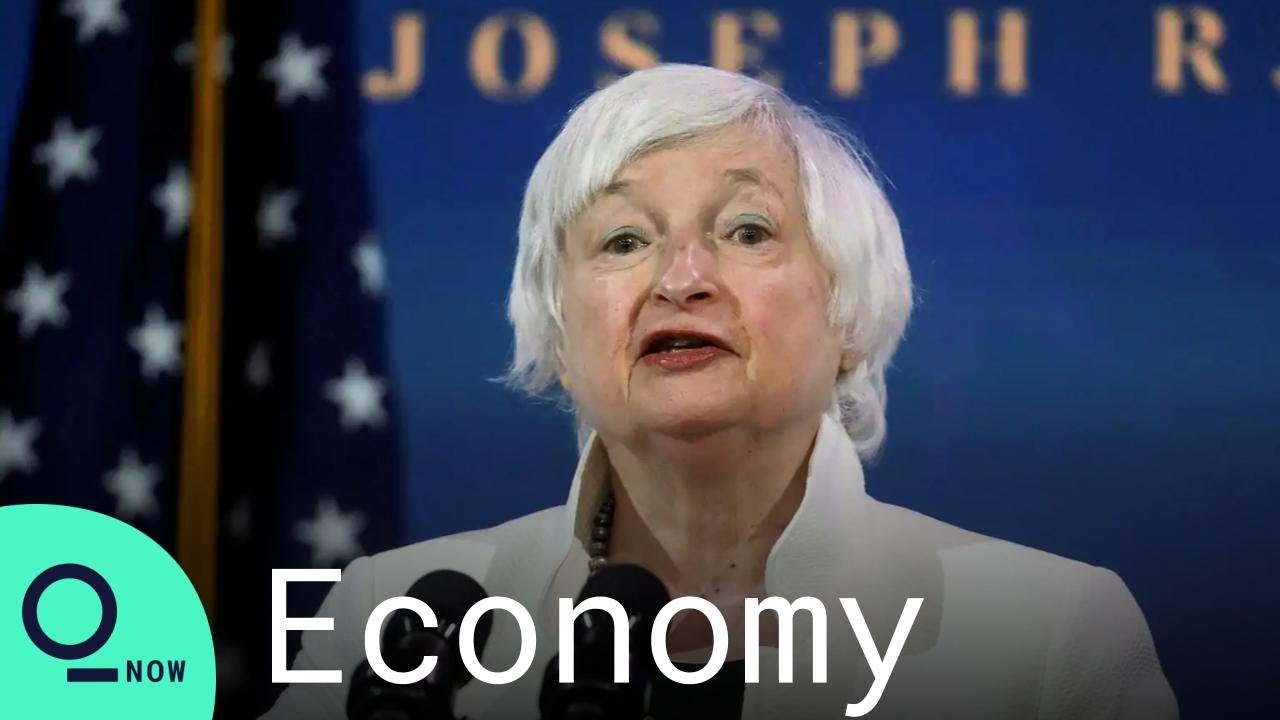
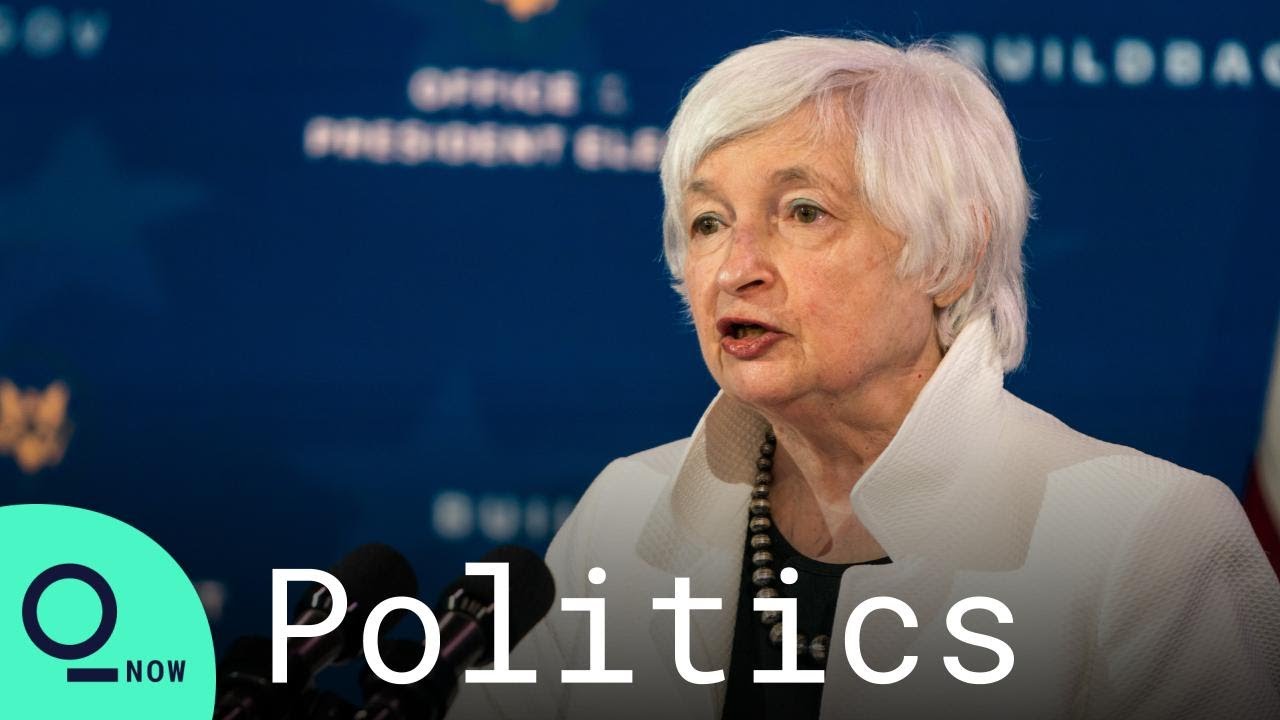
Janet Yellen encountered early Republican resistance to President-elect Joe Biden’s $1.9 trillion Covid-19 relief plan in her confirmation hearing to become Treasury secretary Tuesday, as she sought backing for what she described as vital support for the economy.
“Right now, short term, I feel that we can afford what it takes to get the economy back on its feet, to get us through the pandemic,” Yellen told the Senate Finance Committee, highlighting that interest rates are historically low and that debt-servicing payments as a share of the economy are lower today than before the 2008 financial crisis. “It would be a false economy to stint.”
Yellen -- who could be confirmed as soon as Thursday according to a timeline presented by the committee’s incoming chairman -- said that help for the unemployed and small businesses would provide the “biggest bang for the buck.” She urged lawmakers to “act big” in efforts to rescue an economy battered by the coronavirus.
Republicans are already balking, at both the size and at components tied to longstanding Democratic goals such as raising the minimum wage to $15 an hour and expanding family and medical leave.
“Now is not the time to enact a laundry list of liberal structural economic reforms,” Republican Senator Chuck Grassley said in his opening remarks. He noted that Congress just approved a $900 billion pandemic relief bill in December. He pointed to criticism that Biden’s proposal isn’t well targeted, and said, “It is important to focus efforts on pandemic relief.”
Senator John Thune, the No. 2 Republican in the chamber, asked Yellen “when is it too much” with regard to running up debt to finance increased government spending.
Yellen said that “it’s essential we put the federal budget on a path that’s sustainable” over time, but that the situation will be worse if investments aren’t made now to support economic growth.
“There is an advantage to funding the debt especially when interest rates are very low by issuing long-term debt,” Yellen also said. Asked about whether she’d endorse a debut 50-year bond, she said she would look at “what the market would be like for bonds of that maturity.”
Currently, the longest-maturity debt offered by the Treasury is for 30 years.
GOP Senator Rob Portman of Ohio warned that “we shouldn’t get too comfortable” with low borrowing costs, as that could change. He said the debt-to-gross domestic product ratio is now “frightening.”
Yellen said she anticipates low yields are here to stay, however. While she didn’t specifically mention the Federal Reserve -- which she led for four years to February 2018 -- the U.S. central bank’s new long-term strategy features letting inflation exceed its 2% target for a time without moving to boost rates.
“The world has changed -- I believe the future is likely to bring low interest rates for a long time,” Yellen said. “But of course it is a risk that interest rates can rise and we need to consider that risk as well in crafting a sustainable and responsible policy.”
Subscribe to our YouTube channel
Bloomberg Quicktake brings you live global news and original shows spanning business, technology, politics and culture. Make sense of the stories changing your business and your world.
To watch complete coverage on Bloomberg Quicktake 24/7, visit or watch on Apple TV, Roku, Samsung Smart TV, Fire TV and Android TV on the Bloomberg app.
Have a story to tell? Fill out this survey for a chance to have it featured on Bloomberg Quicktake
Connect with us on…
Breaking News on YouTube
Sentinel Indexing in Progress
Metadata and chapters are available. Claim extraction for this episode is pending.
All video content is delivered via YouTube embedded players in accordance with the YouTube Terms of Service. Sentinel provides research tools that promote discovery and accountability across political media.