Bloomberg News
@Bloomberg-News·2.8M subscribers·40.1K videos
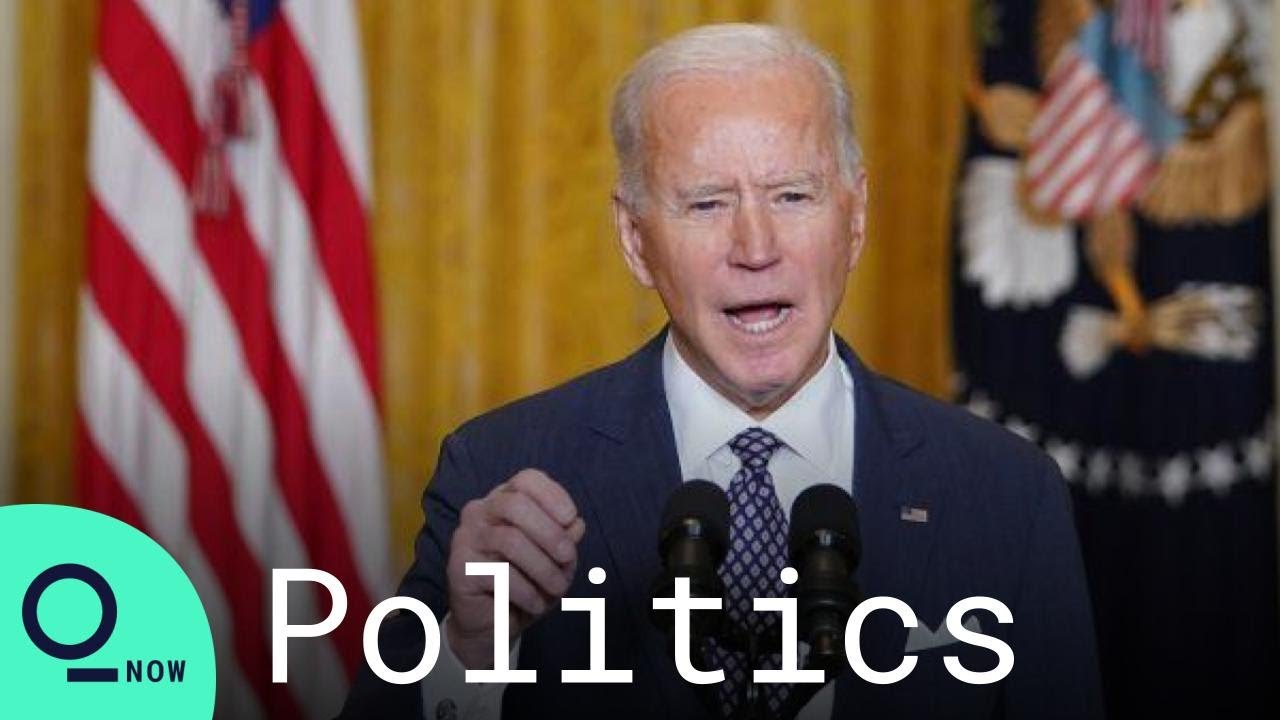
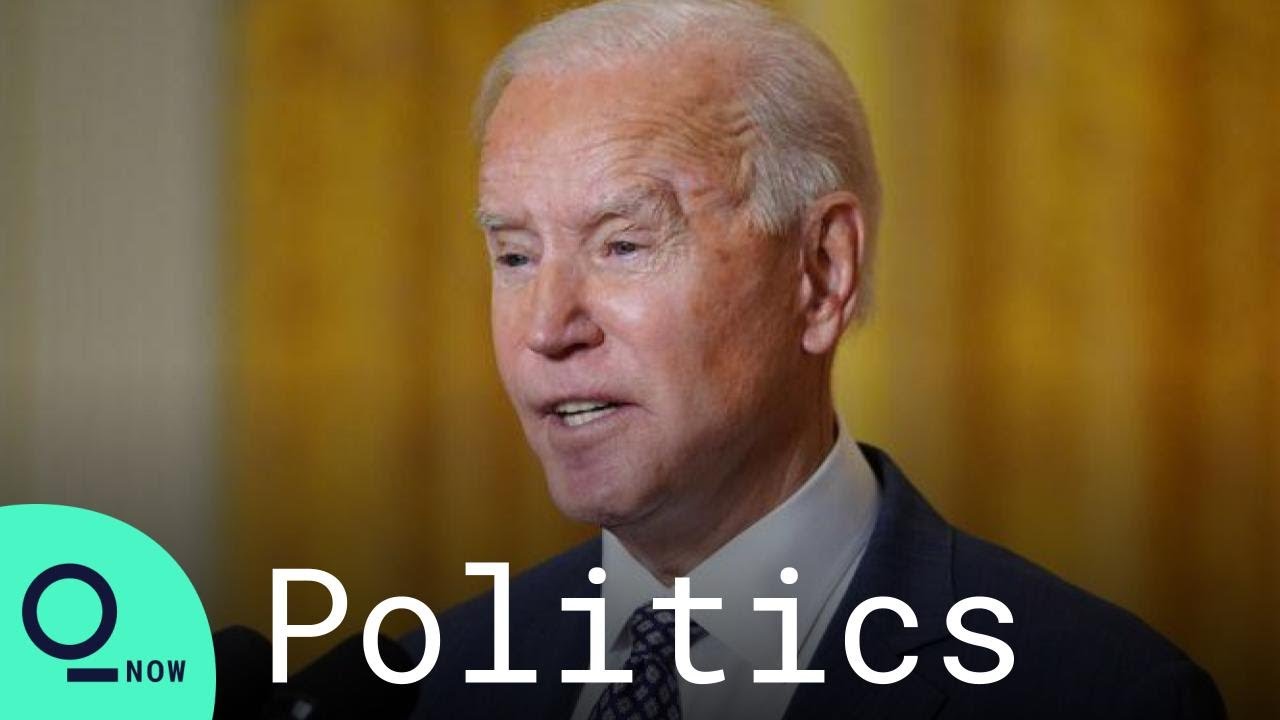
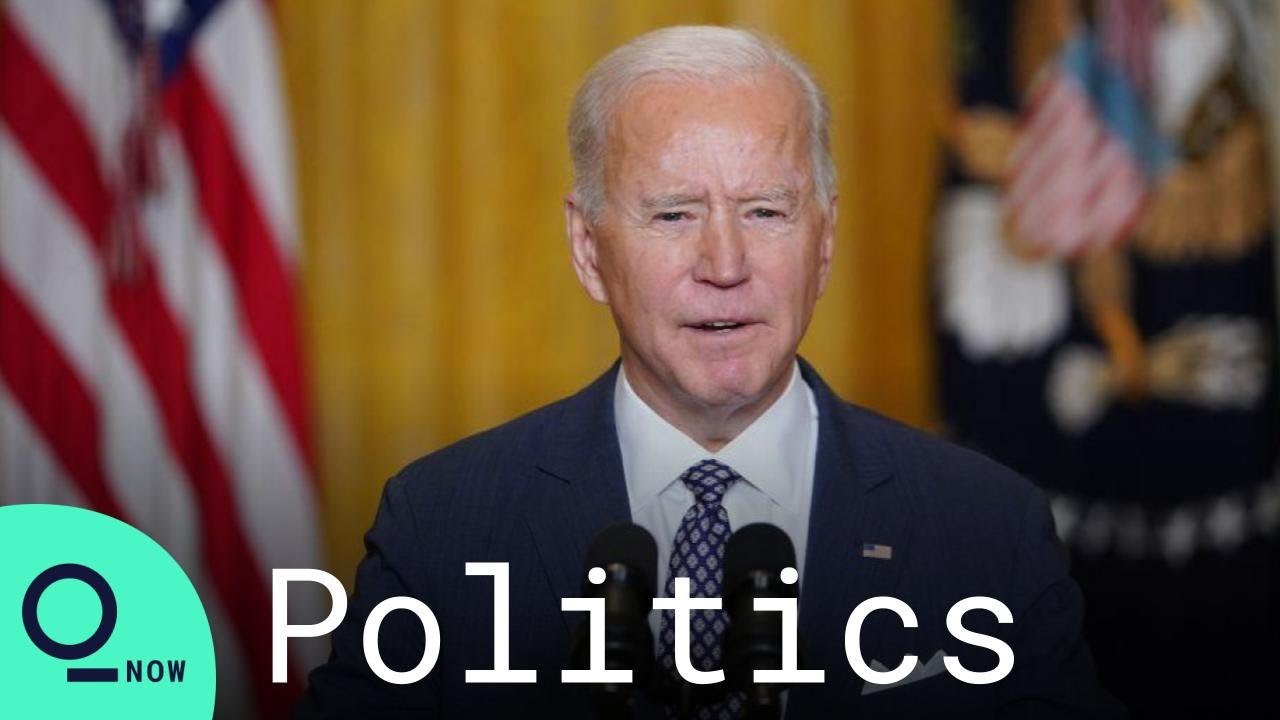
Biden to Unveil New U.S. Foreign Policy at G-7 Summit
Posted
February 19, 2021
Views
1,034
Likes
8
Comments
12
Engagement
1.93%
February 19, 2021
1,034
8
12
1.93%
Every word spoken in this episode is indexed. Type any phrase to jump straight to the moment it was said.
Type any word or phrase that may have been spoken. Click a result to seek the player to that exact moment.
Try a name, a topic, or a quoted line
 6:21Now Playing
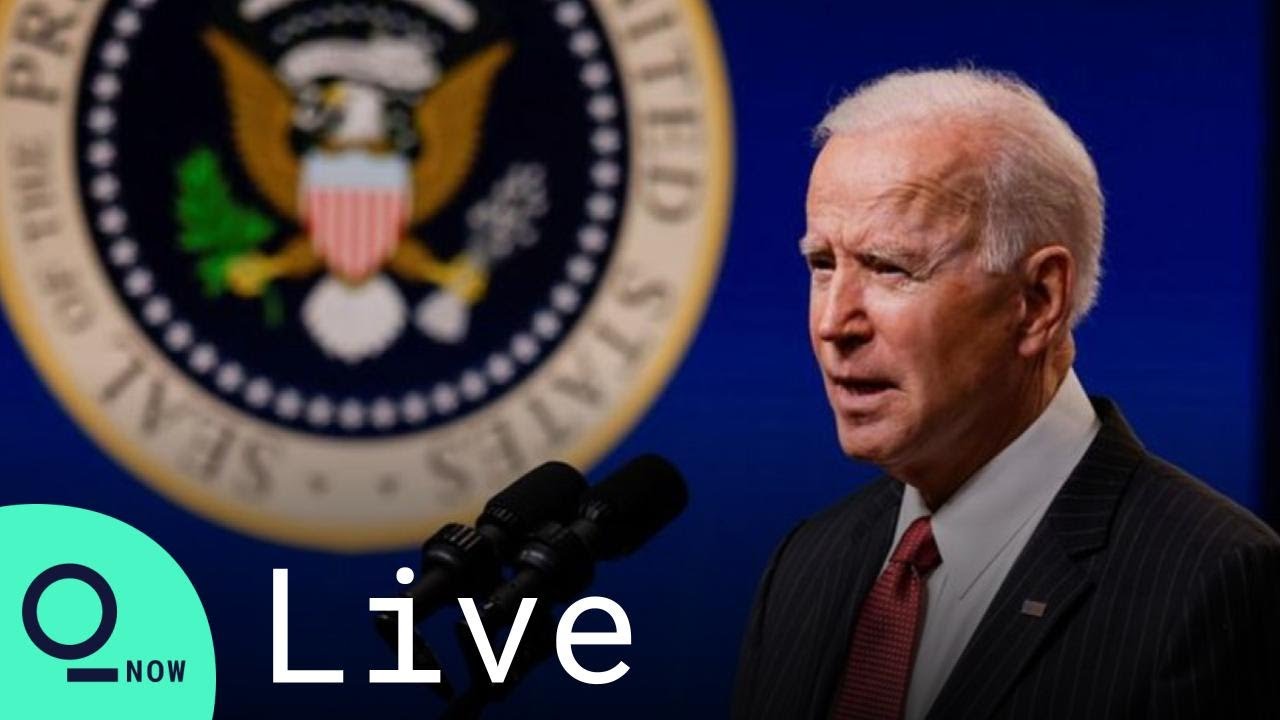
President Joe Biden will re-introduce himself and the U.S. to world leaders at a pair of international conferences on Friday, calling on industrialized democracies to partner in confronting the pandemic and climate change in a sharp departure from his predecessor’s foreign policy.
In remarks to the Group of Seven and a speech to the Munich Security Conference, Biden will portray collective action as essential, too, in great-power confrontations with Russia and China, pivoting from former President Donald Trump’s “America First” approach to global affairs. Trump antagonized allies in order to secure more favorable trade deals and reduce the U.S. military footprint, ties Biden seeks to swiftly repair.
U.S. relationships with its allies “are not transactional,” Biden will say, according to excerpts of his speech to the Munich conference that the White House released Friday. “They’re not extractive. They’re built on a vision of the future where every voice matters.”
The new president will also ask foreign leaders to match his efforts make large investments in economic stimulus, infrastructure and technology, warning that a greater risk lies in austerity, according to a senior administration official. Biden will argue that democracies must fight to preserve their institutions in the wake of both foreign interference in their elections and domestic upheaval, like the attack in January on the U.S. Capitol by Trump’s supporters.
“We are in the midst of a fundamental debate about the future direction of our world,” he will say in the speech, according to the excerpts. “Between those who argue that – given all of the challenges we face, from the fourth industrial revolution to a global pandemic – autocracy is the best way forward and those who understand that democracy is essential to meeting those challenges.”
“I believe with every ounce of my being that democracy must prevail,” Biden will say, calling the moment “an inflection point.”
The appearances are Biden’s first opportunity since his inauguration to address an international audience. His speech to the Munich conference, an annual gathering of world leaders, diplomats, defense officials and others, will follow a private summit with the G-7 leaders. In the speech, Biden will detail U.S. efforts to combat the pandemic and call for international cooperation to strengthen cybersecurity and curb nuclear proliferation, the U.S. official said.
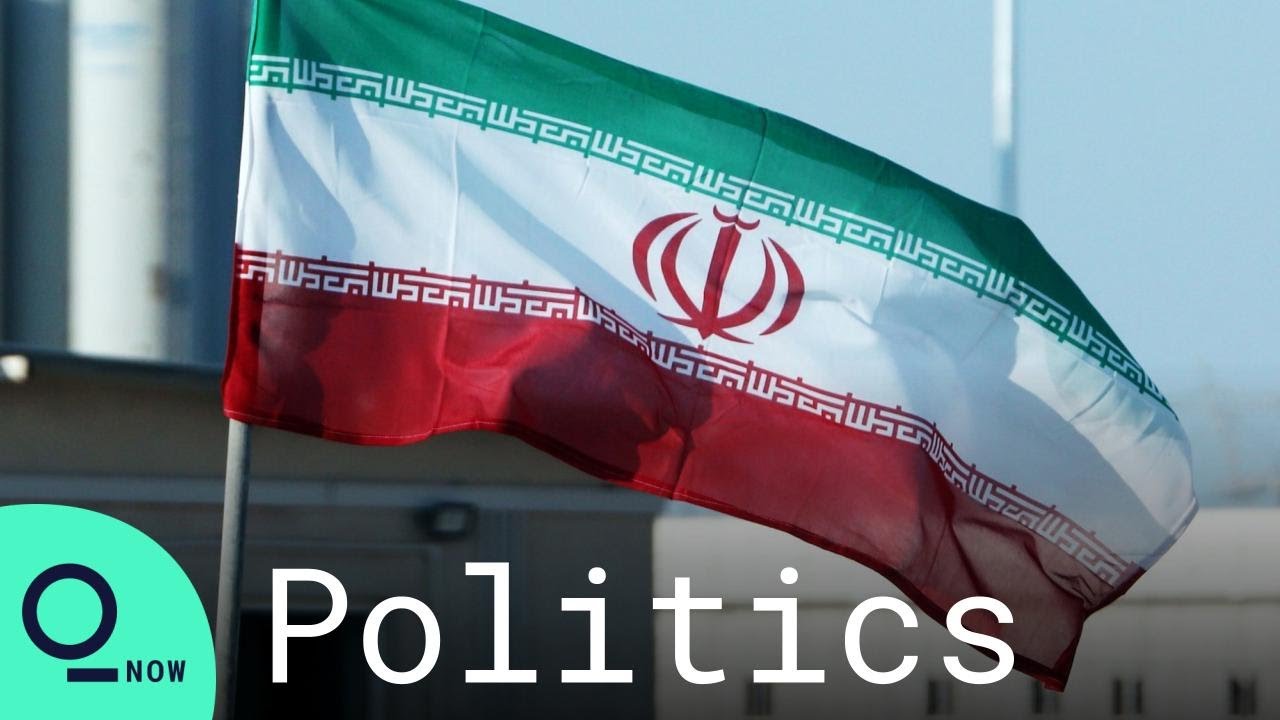
He’ll offer a rough sketch of his approach to Afghanistan, malign behavior by Russia, and Iran’s nuclear program, but the speech is intended largely as a proclamation that the U.S. is ready to re-engage in a transatlantic partnership, the official said, after Trump’s exhibitions of disdain for NATO.
“The last four, five years have shaken the foundations of liberal democracy on both sides of the Atlantic, and I think he’s going to want to use the speech as an opportunity to say that United States is back as a reliable partner,” said Charles Kupchan, a senior fellow at the Council on Foreign Relations who served as senior director for European affairs on President Barack Obama’s National Security Council.
On Thursday, ahead of the summit and speech, the U.S. State Department announced it would be open to meeting with the U.K., France, Germany, Russia, China and Iran in an effort to revive the 2015 agreement to stop the Islamic Republic from gaining nuclear weapons.
In Europe, relief that the Trump era is over is tempered by a sense that aspects of his “America First” legacy will linger. Few officials in European capitals expect the U.S. to be as involved as it once was in international affairs. For some G-7 diplomats, that shift was clear as early as 2013, when former President Barack Obama refused to intervene in the Syrian civil war even after the country’s government crossed his “red line” against using chemical weapons.
Subscribe to our YouTube channel
Bloomberg Quicktake brings you live global news and original shows spanning business, technology, politics and culture. Make sense of the stories changing your business and your world.
To watch complete coverage on Bloomberg Quicktake 24/7, visit or watch on Apple TV, Roku, Samsung Smart TV, Fire TV and Android TV on the Bloomberg app.
Have a story to tell? Fill out this survey for a chance to have it featured on Bloomberg Quicktake
Connect with us on…
Breaking News on YouTube
Sentinel Indexing in Progress
Metadata and chapters are available. Claim extraction for this episode is pending.
All video content is delivered via YouTube embedded players in accordance with the YouTube Terms of Service. Sentinel provides research tools that promote discovery and accountability across political media.