Bloomberg Podcasts
@bloombergpodcasts·503K subscribers·32.4K videos
Trump Extends China Truce for 90 Days, Averting Tariff Hike
Posted
August 12, 2025
Views
3,834
Likes
12
Comments
12
Engagement
August 12, 2025
3,834
12
12
0.63%
Every word spoken in this episode is indexed. Type any phrase to jump straight to the moment it was said.
Type any word or phrase that may have been spoken. Click a result to seek the player to that exact moment.
Try a name, a topic, or a quoted line
See what was published immediately before and after this episode.
 7:58Now Playing
President Donald Trump extended a pause of higher tariffs on Chinese goods for another 90 days into early November, stabilizing trade ties between the world’s two largest economies.
Trump signed an order extending the truce through Nov. 10, deferring a tariff hike set for Tuesday. The de-escalation first took effect when the US and China agreed to reduce tit-for-tat tariff hikes and ease export restrictions on rare earth magnets and certain technologies.
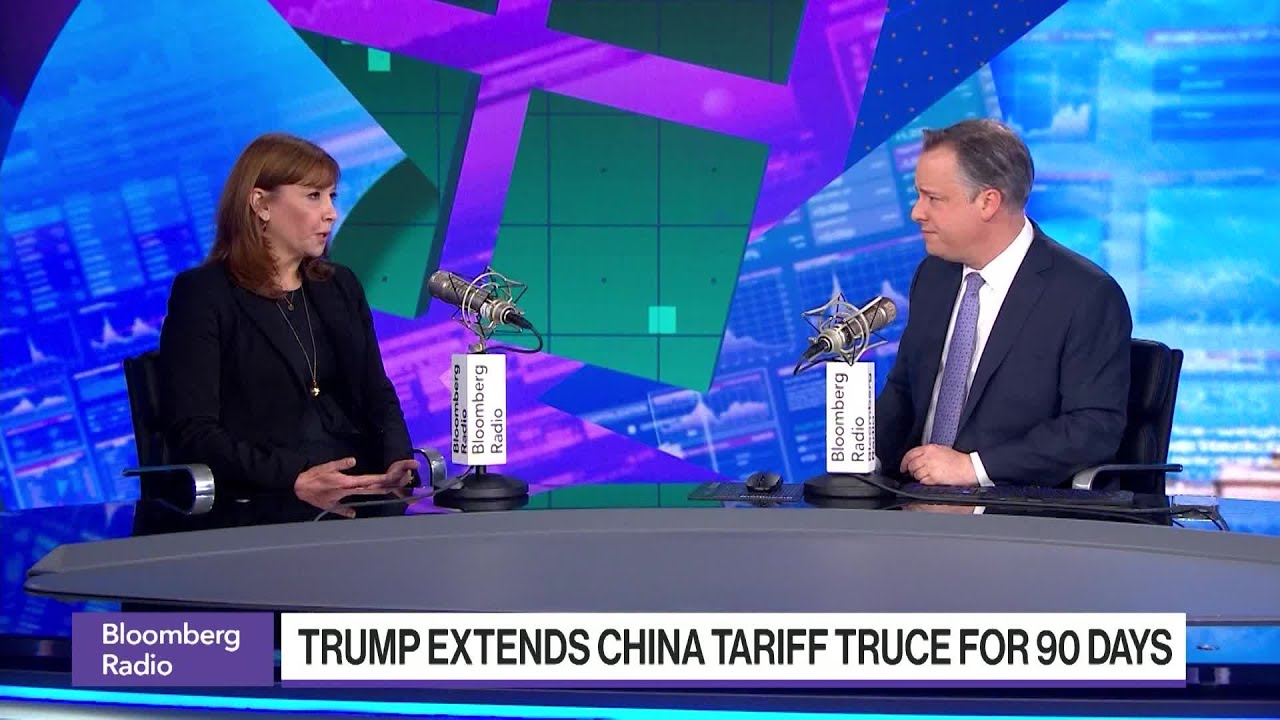
Nazak Nikakhtar, National Security Practice Group Lead at Wiley Rein LLP and former Assistant Secretary for Industry & Analysis at the International Trade Administration joins to discuss the US- China relationship.
“All other elements of the Agreement will remain the same,” Trump said in a Truth Social post, suggesting no planned changes to US trade policy or to the terms of the arrangement. A fact sheet, posted by the White House, didn’t detail any modifications beyond the date extension.
China said in a similar statement it too would extend its own suspension for a further 90 days.
Negotiators from both sides reached a preliminary agreement last month in Sweden to keep the deal. Had the truce not been extended, US tariffs on Chinese goods would have jumped to at least 54% starting after midnight in New York.
The extension will ease worries of a renewed tariff war that threatens to choke off trade between the US and China. An escalation between Washington and Beijing earlier this year shook global financial markets.
It will also give the countries more time to discuss other unresolved issues such as duties tied to fentanyl trafficking that Trump has levied on Beijing, American concerns about Chinese purchases of sanctioned Russian and Iranian oil and disagreements around US business operations in China.
The signing may clear the path for Trump to visit China to meet with President Xi Jinping in late October, around the time of an international meeting in South Korea that the US leader is likely to attend.
“The United States continues to have discussions with the PRC to address the lack of trade reciprocity in our economic relationship and our resulting national and economic security concerns,” Trump wrote in the order. “Through these discussions, the PRC continues to take significant steps toward remedying non-reciprocal trade arrangements and addressing the concerns of the United States relating to economic and national security matters.”
Trump, speaking to reporters earlier Monday, said “we’ve been dealing very nicely with China.”
Trump earlier this year ratcheted up tariffs on Chinese goods, and Beijing responded in kind. US tariffs on Chinese imports ultimately reached 145%, and China curbed access to magnets critical to US manufacturers. The two sides reached a 90-day truce in May, under which the US lowered its China duties to 30% while Beijing reduced levies on US goods to 10% and agreed to resume rare earth exports.
Trump’s willingness to parlay with China has prompted concerns from national security hawks that he’s unwilling to crack down on the US’s biggest geopolitical rival. Nvidia Corp. and Advanced Micro Devices Inc. reached deals with the Trump administration to secure export licenses by agreeing to pay 15% of their revenues from certain Chinese artificial intelligence chip sales to the US government.
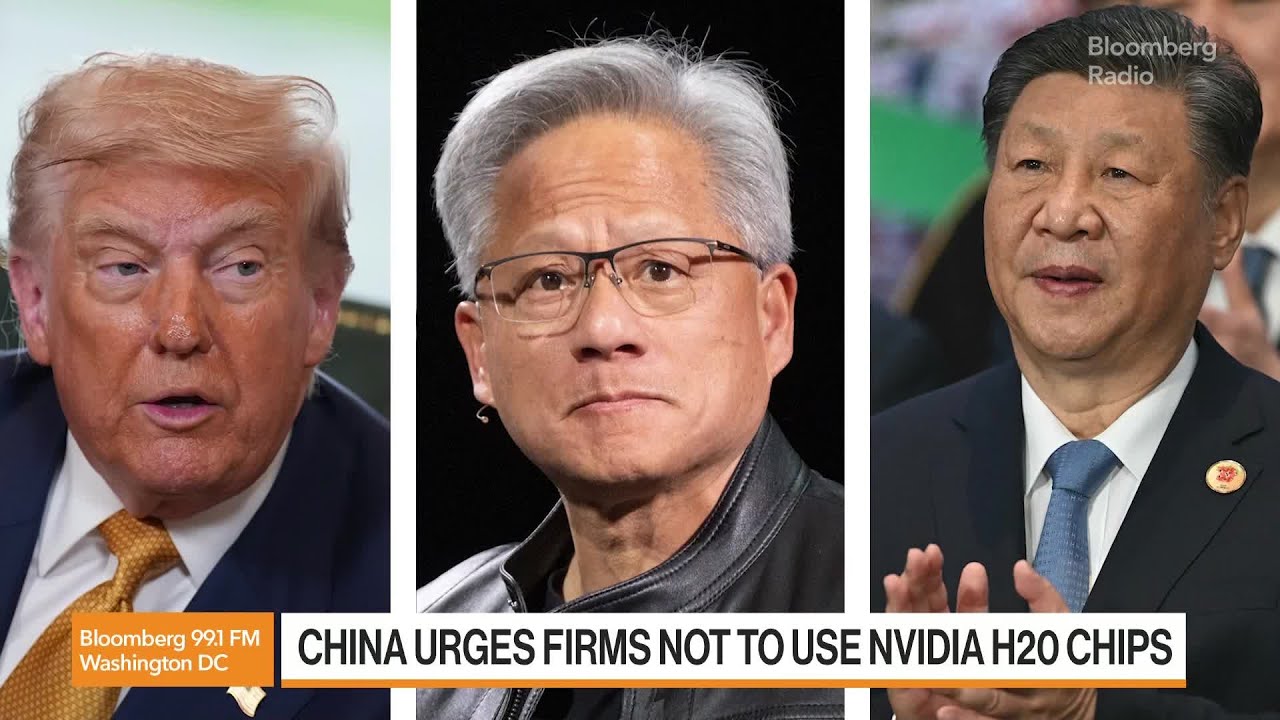
That arrangement may be running into complications given China has reportedly urged local companies to avoid using Nvidia’s H20 semiconductor, particularly for government-related purposes. Last month, the Trump administration reversed course to allow Nvidia to sell the AI accelerator, which has less computational power than Nvidia’s top offerings, to China.
Trump earlier Monday also signaled openness to separately allowing Nvidia to sell a scaled-back version of its most advanced AI chip to China, saying that “it’s possible I’d make a deal.”
--------
Watch Bloomberg Radio LIVE on YouTube
Weekdays 7am-6pm ET
Follow us on X
Subscribe to our Podcasts:
Bloomberg Daybreak
Bloomberg Surveillance
Bloomberg Intelligence
Balance of Power
Bloomberg Businessweek
Listen on Apple CarPlay and Android Auto with the Bloomberg Business app:
Apple CarPlay
Android Auto
Visit our YouTube channels:
Bloomberg Podcasts
Bloomberg Television
Bloomberg Originals
Sentinel Indexing in Progress
Metadata and chapters are available. Claim extraction for this episode is pending.
All video content is delivered via YouTube embedded players in accordance with the YouTube Terms of Service. Sentinel provides research tools that promote discovery and accountability across political media.