Bloomberg Podcasts
@bloombergpodcasts·503K subscribers·32.4K videos
Market Jitters and Fed Independence in Question
Posted
September 9, 2025
Views
854
Likes
12
Comments
5
Engagement
1.99%
September 9, 2025
854
12
5
1.99%
Every word spoken in this episode is indexed. Type any phrase to jump straight to the moment it was said.
Type any word or phrase that may have been spoken. Click a result to seek the player to that exact moment.
Try a name, a topic, or a quoted line
See what was published immediately before and after this episode.
 5:15Now Playing
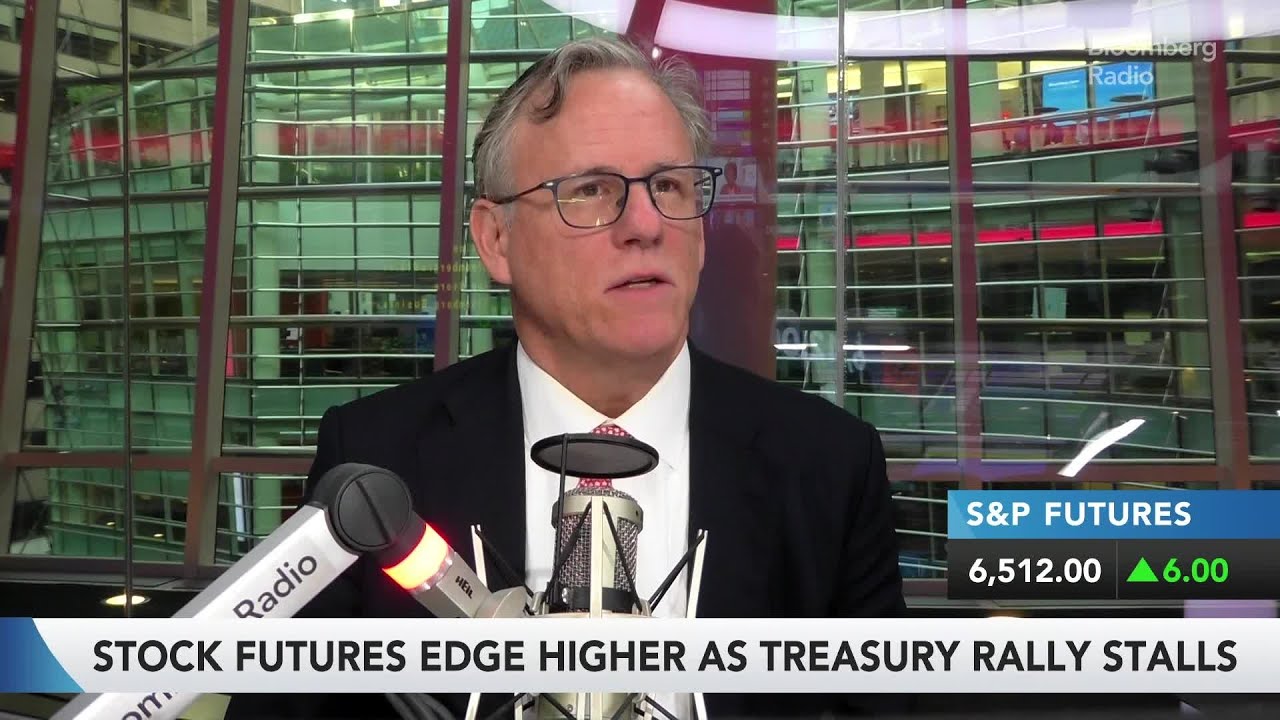
Michael Purves, CEO at Tallbacken Capital Advisors, discusses the Trump-Fed put, questions surrounding market uncertainty and his S&P target.
Scott Bessent is studiously trying to avoid the fate of the last Treasury secretary who picked a Fed chair for President Donald Trump and now finds himself banished from the inner circle.
To escape Steven Mnuchin’s fate, Bessent — who begins interviewing candidates for the role this month — must balance Trump’s demands for a rate-cutting crusader against the need for the Fed chair to have the confidence and trust of financial markets.
Bessent has intentionally taken a more hands-off approach, compiling a list of nearly a dozen candidates, but is not expected to push any one candidate, as Mnuchin did when he pushed Chair Jerome Powell for the job in 2018. After interviewing those candidates, he plans to whittle down the list to a handful of top contenders, without any ranking or explicit preferences, according to people familiar with the process.
Bessent, says one former Trump official, wants Trump to own the final decision.
The Treasury Department did not respond to a request for comment.
Trump on Friday told reporters he “sort of” knows who he is going to pick, citing a “top three” list of National Economic Council Director Kevin Hassett, Fed Governor Christopher Waller and former Fed official Kevin Warsh.
“Bessent is smart to be more circumspect than Mnuchin was,” says Stephen Myrow, managing partner of Beacon Policy Advisors and a former Treasury official. “It’s a good survival strategy.”
Bessent sits in a powerful perch as one of the president’s most trusted Cabinet members, while also maintaining credibility on Wall Street. That makes him the natural choice as a key negotiator on tariffs talks and to head up the central bank chief interviews.
The Fed assignment is fraught with peril. Trump has said he wants the central bank to sharply cut interest rates by three percentage points. But investors worry such a drastic move could tip the bond markets into turmoil and cause inflation to surge.
US job growth was far less robust in the year through March than previously reported, adding to mounting pressure on the Federal Reserve to lower interest rates.
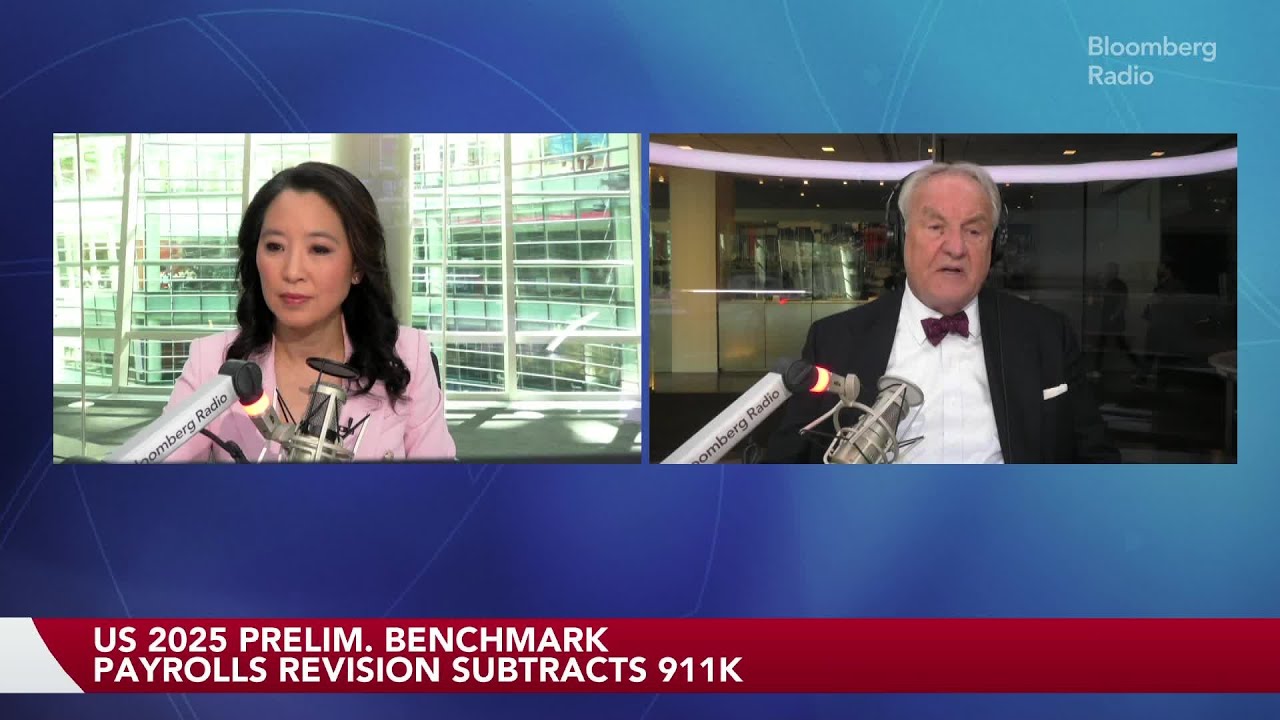
The number of workers on payrolls will likely be revised down by a record 911,000, or 0.6%, according to the government’s preliminary benchmark revision out Tuesday. The final figures are due early next year.
Before the report, the government’s payrolls data indicated employers added nearly 1.8 million total jobs in the year through March on a non-seasonally adjusted basis, or an average of 149,000 per month. The revision showed average monthly job growth was roughly half that.
The Bureau of Labor Statistics adjustment indicates the labor market slowdown in recent months followed an extended period of more moderate job growth that may lay the groundwork for a series of interest-rate cuts beginning next week. Fed Chair Jerome Powell recently acknowledged risks to the job market have increased, and two of his colleagues preferred to lower borrowing costs in July.
Traders widely expect central bankers to cut rates at the conclusion of their two-day meeting Sept. 17. Treasury yields rose while the S&P 500 reversed earlier gains.
The labor market “was materially weaker than the BLS initially estimated in the year to March 2025, giving the Fed another reason to lower rates next week,” Sal Guatieri, senior economist at BMO Capital Markets, said in a note.
Payrolls were marked down in nearly every industry and most states. Combined payrolls at wholesale and retail establishments led the downward revision, followed by leisure and hospitality. Professional and business services as well as manufacturing were also notably marked down.
While benchmark revisions are carried out every year, they’ve garnered added attention this year with investors and Fed watchers looking for any signs that the labor market may be slowing faster than previously thought.
--------
Watch Bloomberg Radio LIVE on YouTube
Weekdays 7am-6pm ET
Follow us on X
Subscribe to our Podcasts:
Bloomberg Daybreak
Bloomberg Surveillance
Bloomberg Intelligence
Balance of Power
Bloomberg Businessweek
Listen on Apple CarPlay and Android Auto with the Bloomberg Business app:
Apple CarPlay
Android Auto
Visit our YouTube channels:
Bloomberg Podcasts
Bloomberg Television
Bloomberg Originals
Sentinel Indexing in Progress
Metadata and chapters are available. Claim extraction for this episode is pending.
All video content is delivered via YouTube embedded players in accordance with the YouTube Terms of Service. Sentinel provides research tools that promote discovery and accountability across political media.