Bloomberg Podcasts
@bloombergpodcasts·503K subscribers·32.4K videos
US Notches Fastest Growth in Nearly 2 Years
Posted
September 25, 2025
Views
2,037
Likes
23
Comments
14
Engagement
1.82%
September 25, 2025
2,037
23
14
1.82%
Every word spoken in this episode is indexed. Type any phrase to jump straight to the moment it was said.
Type any word or phrase that may have been spoken. Click a result to seek the player to that exact moment.
Try a name, a topic, or a quoted line
 4:02Now Playing
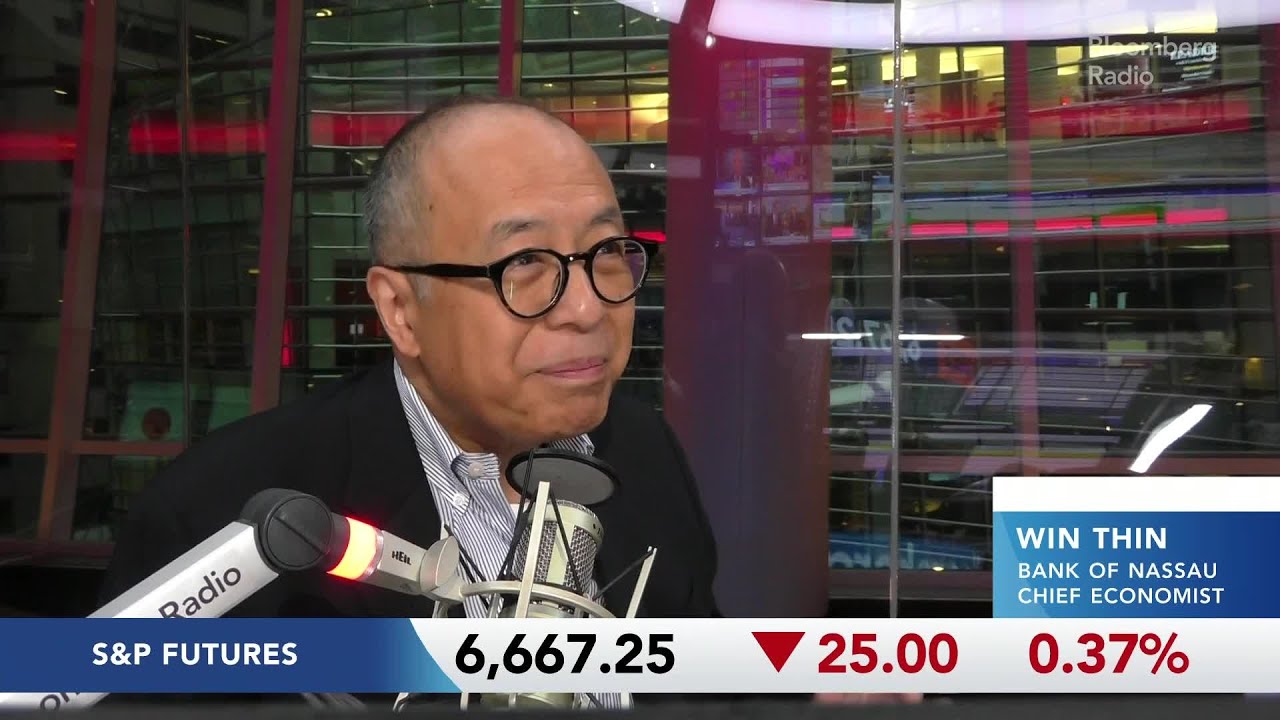
Win Thin, Chief Economist at Bank of Nassau, joins for an extended discussion on US growth concerns and splits across the Fed.
The US economy grew in the second quarter at the fastest pace in nearly two years as the government revised up its previous estimate of consumer spending.
Inflation-adjusted gross domestic product, which measures the value of goods and services produced in the US, increased at a revised 3.8% annualized pace, a Bureau of Economic Analysis report showed Thursday. That was stronger than the previously reported 3.3% advance and followed an outright contraction in the first quarter.
The BEA also issued its annual update of the national economic accounts, which showed real GDP still increased at an average annual pace of 2.4% from 2019 to 2024. The revisions paint a picture of an economy that quickly rebounded from the initial shock of the pandemic and has since transitioned to period of steadier, trend growth with lingering inflation.
The latest quarterly GDP data confirm the economy rebounded in the second quarter after a monumental surge in imports at the start of the year, when companies were racing to stock up ahead of President Donald Trump’s tariffs. The third quarter is also looking solid, with recent reports illustrating resilient consumer spending and business outlays for equipment.
“The economy is clearly recovering from the shock of tariff implementation,” Chris Low, chief economist at FHN Financial, said in a note. “Accelerating growth should mean stronger job growth within the next few months.”
Before Thursday’s figures, the Federal Reserve Bank of Atlanta’s GDPNow estimate penciled in a 3.3% rate of growth in the July-September period. However, some economists are less upbeat about growth in the fourth quarter as weaker employment dims prospects for consumer spending.
Forecasters expect activity to only pick up somewhat in 2026, partly due to Trump’s tax law and lower interest rates, with most forecasters expecting sub-2% growth for the next few years.
--------
Watch Bloomberg Radio LIVE on YouTube
Weekdays 7am-6pm ET
Follow us on X
Subscribe to our Podcasts:
Bloomberg Daybreak
Bloomberg Surveillance
Bloomberg Intelligence
Balance of Power
Bloomberg Businessweek
Listen on Apple CarPlay and Android Auto with the Bloomberg Business app:
Apple CarPlay
Android Auto
Visit our YouTube channels:
Bloomberg Podcasts
Bloomberg Television
Bloomberg Originals
Sentinel Indexing in Progress
Metadata and chapters are available. Claim extraction for this episode is pending.
All video content is delivered via YouTube embedded players in accordance with the YouTube Terms of Service. Sentinel provides research tools that promote discovery and accountability across political media.