Bloomberg Podcasts
@bloombergpodcasts·503K subscribers·32.4K videos
Stocks, Bonds Fall as War Shows No Signs of Easing
Posted
March 20, 2026
Views
3,860
Likes
42
Comments
15
Engagement
1.48%
March 20, 2026
3,860
42
15
1.48%
Every word spoken in this episode is indexed. Type any phrase to jump straight to the moment it was said.
Type any word or phrase that may have been spoken. Click a result to seek the player to that exact moment.
Try a name, a topic, or a quoted line
 4:43Now Playing
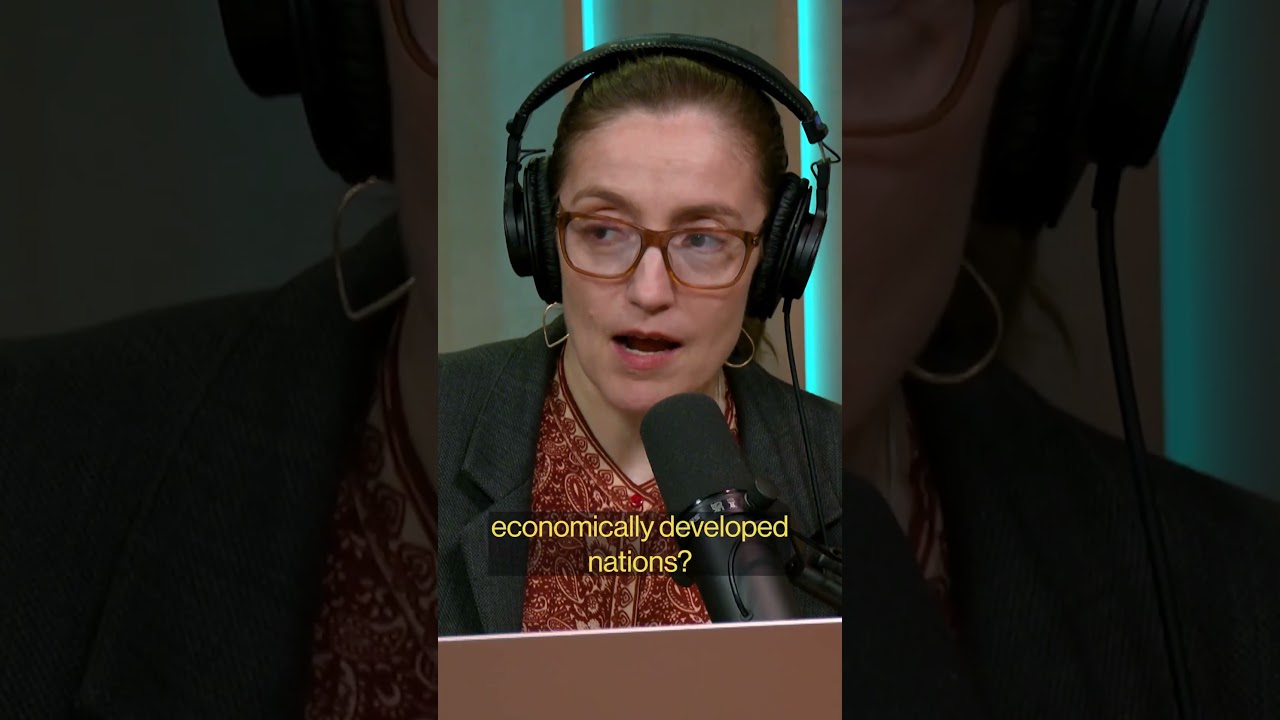
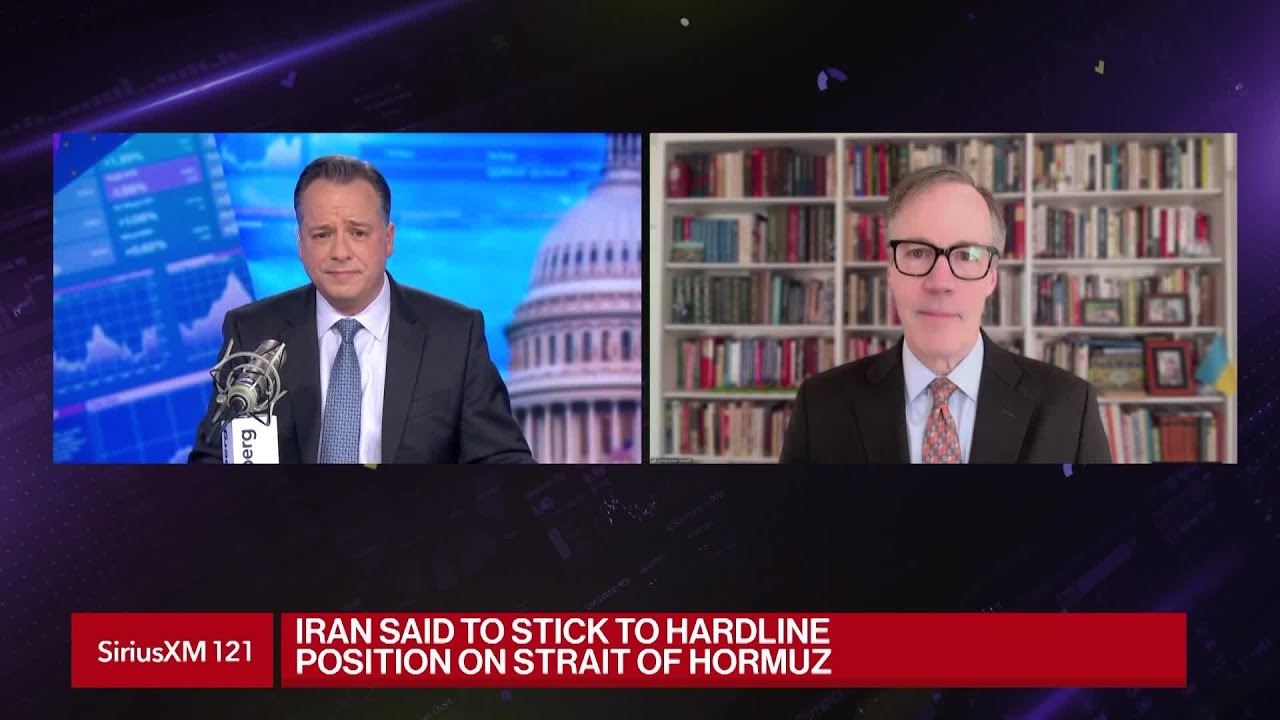
Joy Yang, Head of Product Management at MarketVector Indexes, gives her investment outlook as turmoil in the Middle East continues to roil markets.
Turmoil in the Middle East sparked fresh losses across stocks and bonds on concern about the spillover effects of elevated energy costs to inflation and economic growth, with hostilities showing no signs of a letup.
The S&P 500 fell about 1%, set for its the longest streak of weekly declines in a year. The drop accelerated as the Wall Street Journal reported the Pentagon is sending three warships and thousands of additional Marines to the Middle East. Short-dated Treasuries slumped, with traders now pricing in a 50% chance of a Federal Reserve hike by October. UK government borrowing costs hit the highest since the global financial crisis.
While the rally in Brent eased on Friday, oil was still up about 50% since the start of the war in Iran. The dollar rose, trimming its loss for the week. Gold headed for its worst weekly retreat since the onset of the pandemic.
Markets have been rocked by disruption to supply out of the Persian Gulf, with shipping through the Strait of Hormuz — a chokepoint for about a fifth of global oil and liquefied natural gas flows — near standstill. Iran pressed ahead with attacks on Gulf Arab states even after Israel signaled it would stop targeting the Islamic Republic’s energy infrastructure.
The US is considering an operation to take over Kharg Island, Iran’s major oil-export site, to pressure the Islamic Republic to reopen the Strait, Axios reported, adding that a decision hasn’t been made. “The stock market remains in negative territory for the year, and has made new 2026 lows this week, which suggests that the market may not have yet found its bottom and is still in the process of sorting out and pricing in the duration of the Middle East conflict,” said Laut.
Since the outbreak of the war, the S&P 500 has fallen about 4.5%, heading toward its fourth straight week of losses. Traditional havens are not protecting investors, with bonds losing value as traders react to inflation and federal budget concerns while gold has tumbled, noted Mark Hackett at Nationwide.
Money market funds are the safe haven of choice, Hackett added, suggesting investors are parking money on the sidelines rather than engaging in a structural allocation shift.
“Our recommendation for long-term investors is clear: Stay invested,” said Mark Haefele at UBS Global Wealth Management. “History shows that attempts to ‘market time’ geopolitical events often result in failure.”
Bond traders are scrambling for a new strategy after the oil shock triggered scuppered a popular wager on Fed cuts. By Friday, sentiment had flipped to such a degree that traders now bet the central bank might need to hike to combat inflation.
“We disagree with this assessment as the spike in oil prices should delay Fed rate cuts amid stagflationary pressures, but a sufficient move higher in oil could create a financial conditions shock that may require the Fed to respond with cuts,” said Gennadiy Goldberg at TD Securities.
--------
Watch Bloomberg Radio LIVE on YouTube
Weekdays 7am-6pm ET
Follow us on X
Subscribe to our Podcasts:
Bloomberg Daybreak
Bloomberg Surveillance
Bloomberg Intelligence
Balance of Power
Bloomberg Businessweek
Listen on Apple CarPlay and Android Auto with the Bloomberg Business app:
Apple CarPlay
Android Auto
Visit our YouTube channels:
Bloomberg Podcasts
Bloomberg Television
Bloomberg Originals
Sentinel Indexing in Progress
Metadata and chapters are available. Claim extraction for this episode is pending.
All video content is delivered via YouTube embedded players in accordance with the YouTube Terms of Service. Sentinel provides research tools that promote discovery and accountability across political media.