Bloomberg Podcasts
@bloombergpodcasts·503K subscribers·32.4K videos
Emerging-Market Stocks Give Up 2026 Gains on Iran War Shock
Posted
March 31, 2026
Views
2,309
Likes
23
Engagement
1.00%
March 31, 2026
2,309
23
1.00%
Every word spoken in this episode is indexed. Type any phrase to jump straight to the moment it was said.
Type any word or phrase that may have been spoken. Click a result to seek the player to that exact moment.
Try a name, a topic, or a quoted line
 7:50Now Playing
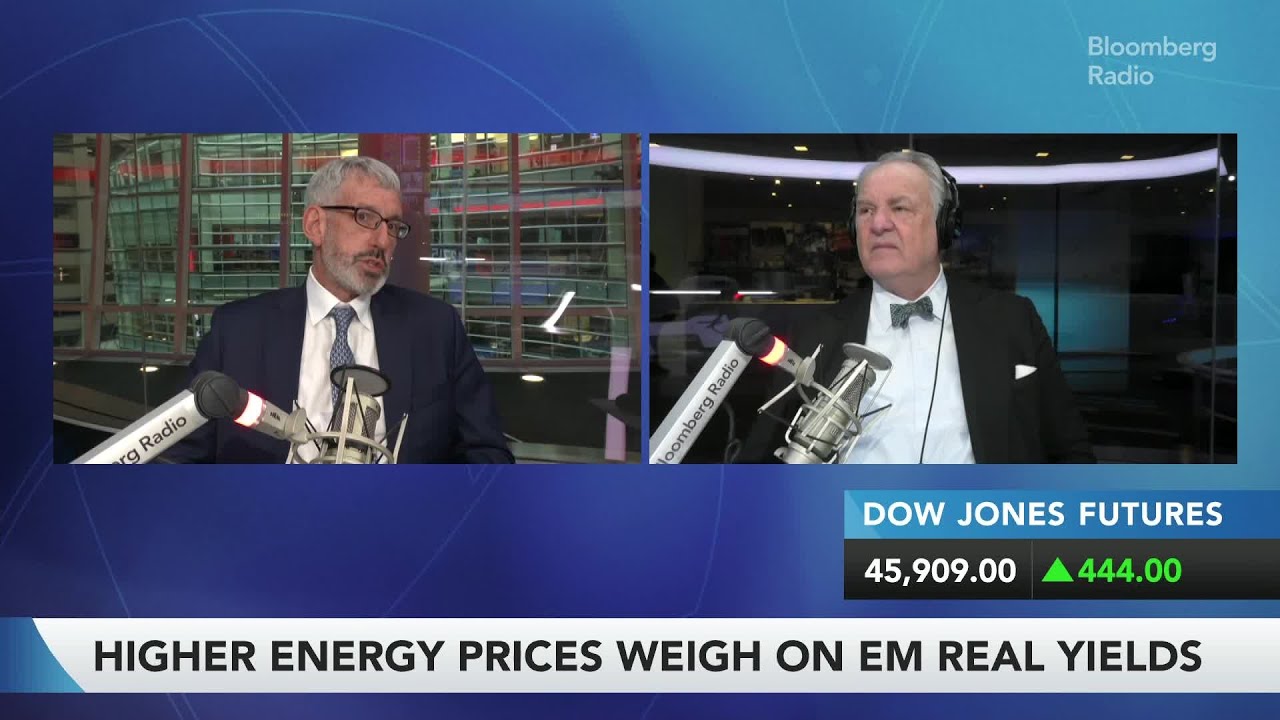
Eric Fine, Head of Active EM Debt at VanEck Funds, discusses how to position emerging market assets amid the Iran War shock.
Emerging-market stocks have erased their gains for 2026 as an energy crisis sparked by the Middle East war threatens to sap growth and accelerate inflation across the developing world.
The benchmark MSCI Emerging Markets Index fell as much as 1.7% on Tuesday, surrendering year-to-date advances that had exceeded 15% at one point. The retreat this month is the sharpest decline since the pandemic in March 2020. Meanwhile, bond sales from emerging markets hit their lowest level for March since 2009.
The turnaround highlights the shock for developing markets, which started the year on a tear as investors continued to pile into the region’s artificial intelligence infrastructure stocks, particularly in Asia. While the initial selloff was concentrated in countries that rely on energy imports, concerns about the war’s impact on the global economy are sparking wider contagion.
“I don’t think that the dust has yet settled,” said Guy Miller, chief market strategist at Zurich Insurance. “You’ve got a stronger dollar, you’ve got surging oil prices, you’ve got global growth coming under pressure, so I still think there’s a vulnerability in emerging markets. I wouldn’t be buying yet.”
US President Donald Trump’s earlier assertions about talks with Tehran had briefly raised hopes of a negotiated settlement. But tensions escalated on Tuesday as Iran hit a fully laden Kuwaiti oil tanker in the anchorage area of Dubai’s port, damaging the hull and starting a fire on board. Wall Street staged a dramatic comeback at the end of March, with stocks climbing as oil fell on hopes that the war that has jolted global markets and disrupted energy supplies may be nearing a conclusion.
Equities headed toward their biggest advance since May on speculation that both US and Iran might be looking for a way out of the war. The S&P 500 climbed over 2%. US crude, which has soared nearly 50% since the start of the conflict, dropped to around $102. Its retreat from multiyear highs extended an advance in Treasuries. The dollar declined and gold rose. Those moves came after Iran’s state news agency reported a phone call between European Union Council President Antonio Costa and President Masoud Pezeskhian, who said the Islamic Republic has “the necessary will to end this war,” but only with guarantees “to prevent the recurrence of aggression.”
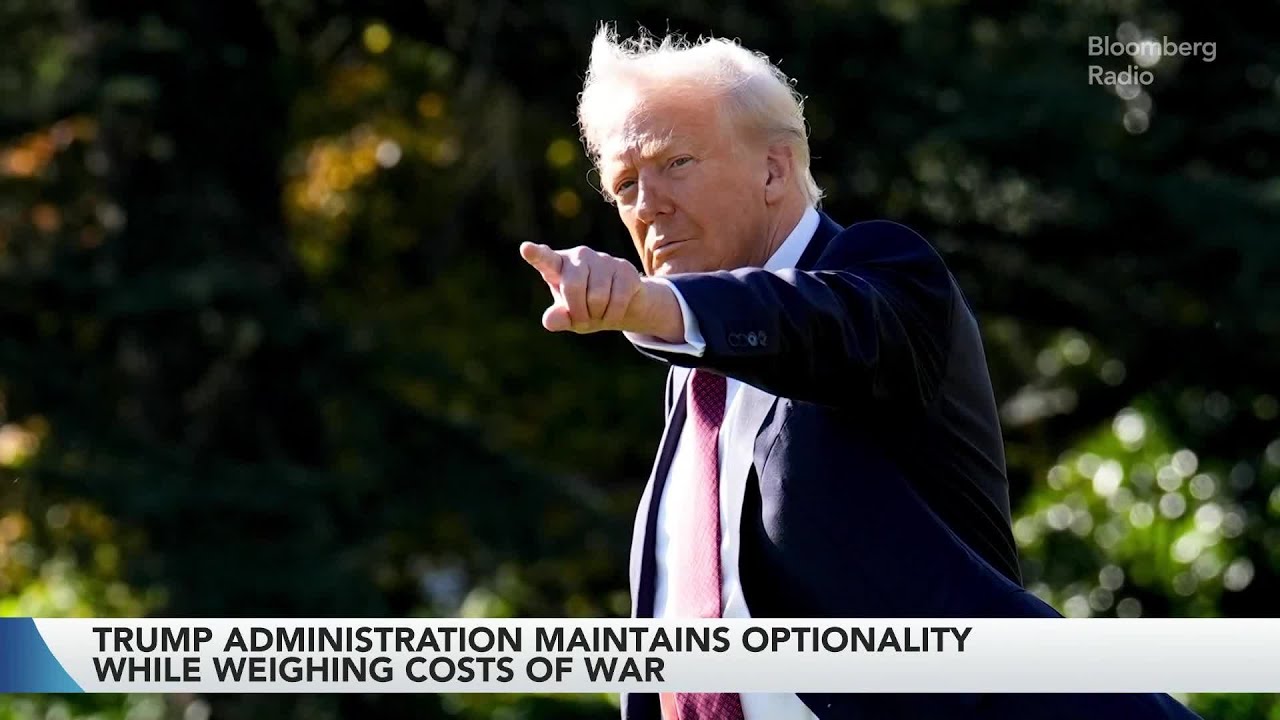
The Wall Street Journal reported President Donald Trump and his aides assessed that a mission to reopen the Strait of Hormuz would push the war beyond his timeline of four to six weeks. He later told the New York Post the US is “not going to be there too much longer,” adding that the waterway would open “automatically” after the US leaves.
Trump called on other nations to wrest control of the Strait of Hormuz as Iran maintained missile fire across the Persian Gulf, expressing his frustration that the monthlong war remains unresolved. On the economic front, data showed consumer confidence unexpectedly rose in March on slightly more upbeat views of business and labor-market conditions. Job openings fell and hiring slowed in February, pointing to cooler labor demand before the war.
“There do appear to be some early signs of stabilization in both consumer confidence and job openings after a clear fourth-quarter downtrend,” said Bret Kenwell at eToro. “While that doesn’t yet signal a meaningful rebound, it may suggest the consumer and labor backdrop are no longer deteriorating at the same pace.”
Ultimately, both investors and consumers need to see notable de-escalation in the Middle East and some relief at the gas pump before confidence can rebound significantly, he added.
From here, Kenwell noted investors will look to Friday’s jobs report in hopes that it can offer signs of some stabilization in the labor market.
--------
Watch Bloomberg Radio LIVE on YouTube
Weekdays 7am-6pm ET
Follow us on X
Subscribe to our Podcasts:
Bloomberg Daybreak
Bloomberg Surveillance
Bloomberg Intelligence
Balance of Power
Bloomberg Businessweek
Listen on Apple CarPlay and Android Auto with the Bloomberg Business app:
Apple CarPlay
Android Auto
Visit our YouTube channels:
Bloomberg Podcasts
Bloomberg Television
Bloomberg Originals
Sentinel Indexing in Progress
Metadata and chapters are available. Claim extraction for this episode is pending.
All video content is delivered via YouTube embedded players in accordance with the YouTube Terms of Service. Sentinel provides research tools that promote discovery and accountability across political media.