Bloomberg Podcasts
@bloombergpodcasts·503K subscribers·32.4K videos
McCormick Acquires Unilever Food Arm in $44.8 Billion Merger
Posted
March 31, 2026
Views
3,085
Likes
31
Comments
7
Engagement
March 31, 2026
3,085
31
7
1.23%
Every word spoken in this episode is indexed. Type any phrase to jump straight to the moment it was said.
Type any word or phrase that may have been spoken. Click a result to seek the player to that exact moment.
Try a name, a topic, or a quoted line
 4:15Now Playing
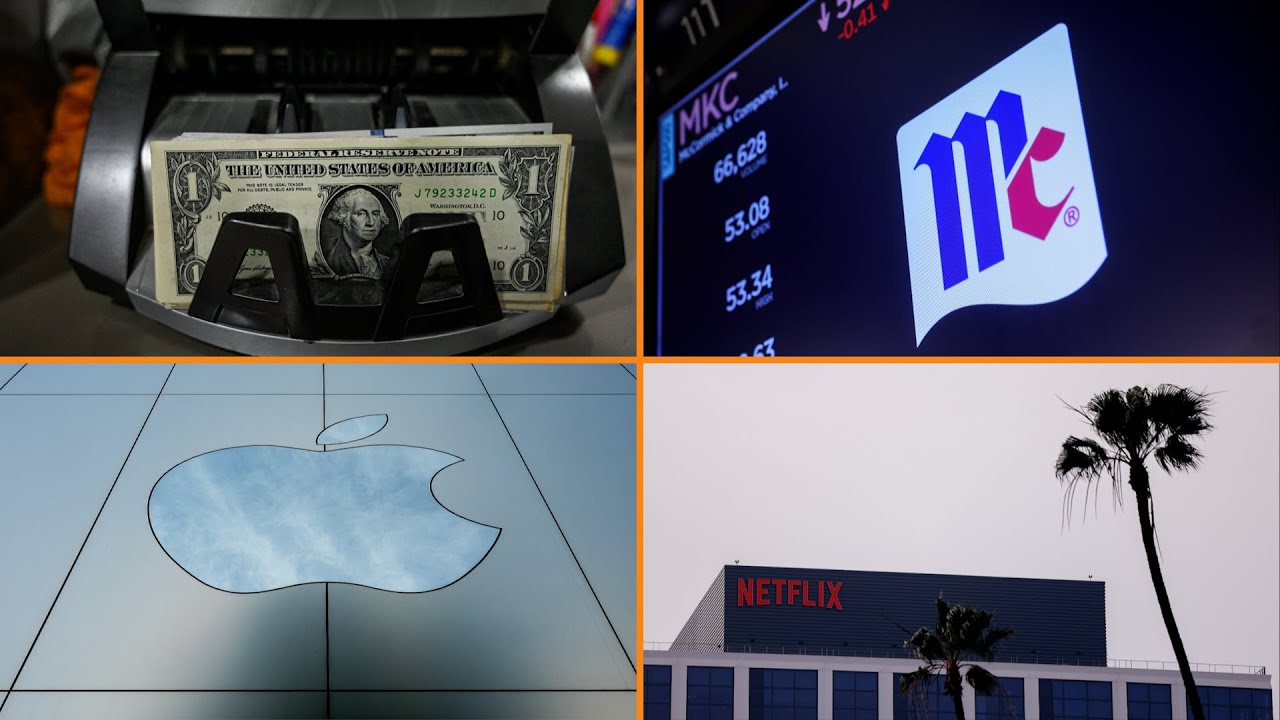
Unilever Plc agreed to combine its food business with spice maker McCormick & Co. in a $44.8 billion deal that will create a global seasonings, sauces and condiments company.
Under the agreement, McCormick will pay $15.7 billion in cash and the equivalent of $29.1 billion in shares for most of Unilever’s food business. That will leave Unilever and its shareholders with 65% of a combined entity that owns brands like French’s mustard and Hellmann’s mayonnaise.
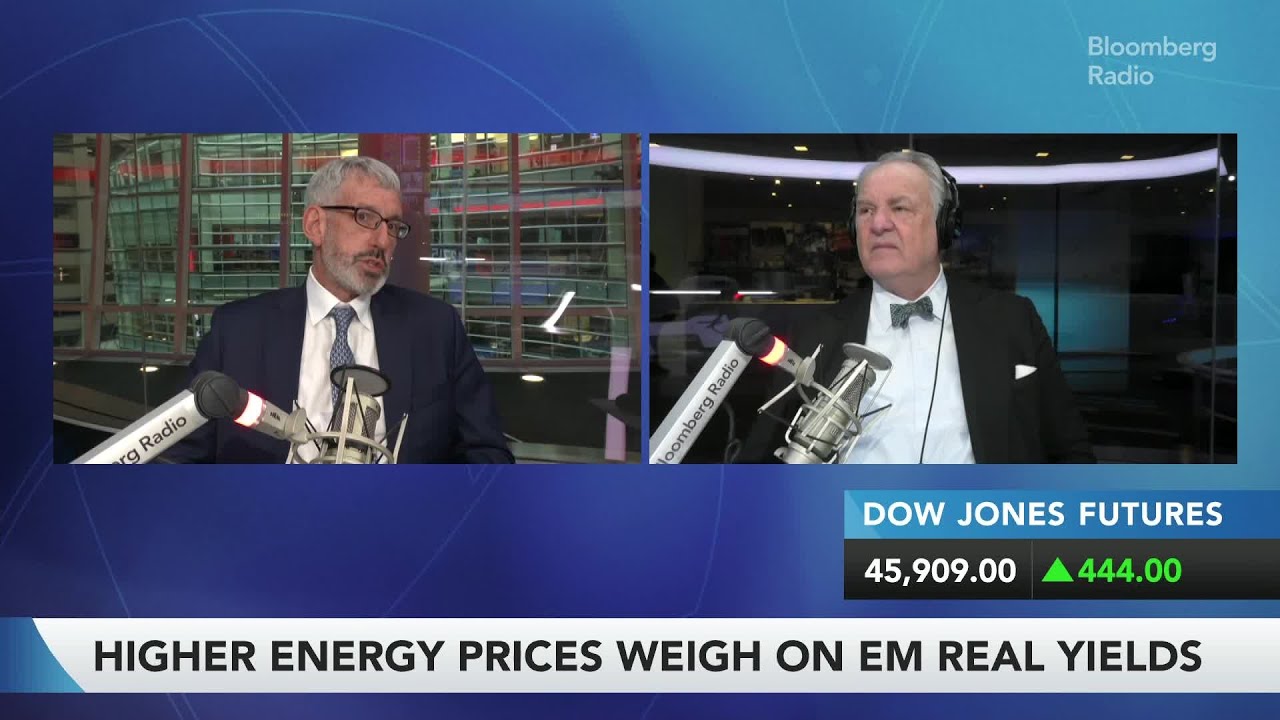
The deal is the biggest in the histories of both companies and will help recast Unilever as a global leader in beauty, personal and home care while turning McCormick into a leading competitor in the global packaged food business. Investor reaction to the highly ambitious move by both companies was underwhelming. Bloomberg Intelligence Senior Equity Analyst Diana Gomes joins Paul Sweeney and Scarlet Fu on "Bloomberg Intelligence" to talk about the impact of the sale, and what to expect in the future for McCormick. Unilever Plc agreed to combine its food business with spice maker McCormick & Co. in a $44.8 billion deal that will create a global seasonings, sauces and condiments company.
Under the agreement, McCormick will pay $15.7 billion in cash and the equivalent of $29.1 billion in shares for most of Unilever’s food business. That will leave Unilever and its shareholders with 65% of a combined entity that owns brands like French’s mustard and Hellmann’s mayonnaise.
The deal is the biggest in the histories of both companies and will help recast Unilever as a global leader in beauty, personal and home care while turning McCormick into a leading competitor in the global packaged food business. Investor reaction to the highly ambitious move by both companies was underwhelming.
McCormick, which is worth $14.4 billion, fell as much as 10% in US trading. As of the last close, the stock has fallen 21% this year. Shares of Unilever, which has a market value of about £99 billion ($131 billion), closed 7.3% in London, extending its decline since the start of the year to nearly 14%.
“We are unimpressed,” James Edwardes Jones from RBC Capital Markets, who has had a sell rating on Unilever for a year, wrote in a note. It’s not clear why Unilever is disposing of a food business it owns, which is dominated by two strong brands — Hellmann’s mayonnaise and Knorr stock cubes — for part ownership of a sprawling food business, he added.
While the deal will leave Unilever as a pure-play home and personal care business, “this does not strike us as a smooth way of bringing it about,” he said. listing in New York initially, it will likely face significant selling pressure from domestic European holders of Unilever stock, according to Callum Elliott, an analyst at Bernstein. This will weigh on investor sentiment over the next 12 months, he said, as “Unilever shareholders debate whether they really want to be holders of this new combined food entity.”
Big Food
Unilever has been selling food for nearly 100 years. In addition to global brands like Hellmann’s and Knorr, it owns smaller regional products like Maille Dijon mustard and Marmite spread.
In recent years, big food businesses like Unilever have been struggling as less wealthy consumers pull back on spending or choose cheaper store brands. The popularity of GLP-1 weight-loss drugs also means users are eating less or choosing fresher food. Unilever Chief Executive Officer Fernando Fernandez has made it clear that going forward he sees beauty, personal care and wellbeing — not food — as the keys to future growth.
On Tuesday, Fernandez said the McCormick deal was another step in “sharpening” the company’s portfolio and will help turn it into a €39 billion ($45 billion) “pureplay” business focused on health, wellness, home and personal care.
The combined food company will be called McCormick and will have revenue of about $20 billion across herbs, spices, seasonings, cooking aids, condiment and sauces. McCormick CEO Brendan Foley will remain in his position at the existing company headquarters in Hunt Valley, Maryland.
--------
Watch Bloomberg Radio LIVE on YouTube
Weekdays 7am-6pm ET
Follow us on X
Subscribe to our Podcasts:
Bloomberg Daybreak
Bloomberg Surveillance
Bloomberg Intelligence
Balance of Power
Bloomberg Businessweek
Listen on Apple CarPlay and Android Auto with the Bloomberg Business app:
Apple CarPlay
Android Auto
Visit our YouTube channels:
Bloomberg Podcasts
Bloomberg Television
Bloomberg Originals
Sentinel Indexing in Progress
Metadata and chapters are available. Claim extraction for this episode is pending.
All video content is delivered via YouTube embedded players in accordance with the YouTube Terms of Service. Sentinel provides research tools that promote discovery and accountability across political media.