Cnbc
@cnbc·4.2M subscribers·16.1K videos
How To Start A Successful Amazon Business, From A Seller Making Millions
Posted
February 11, 2019
Views
21,627
Likes
430
Comments
16
Engagement
2.06%
February 11, 2019
21,627
430
16
2.06%
Every word spoken in this episode is indexed. Type any phrase to jump straight to the moment it was said.
Type any word or phrase that may have been spoken. Click a result to seek the player to that exact moment.
Try a name, a topic, or a quoted line
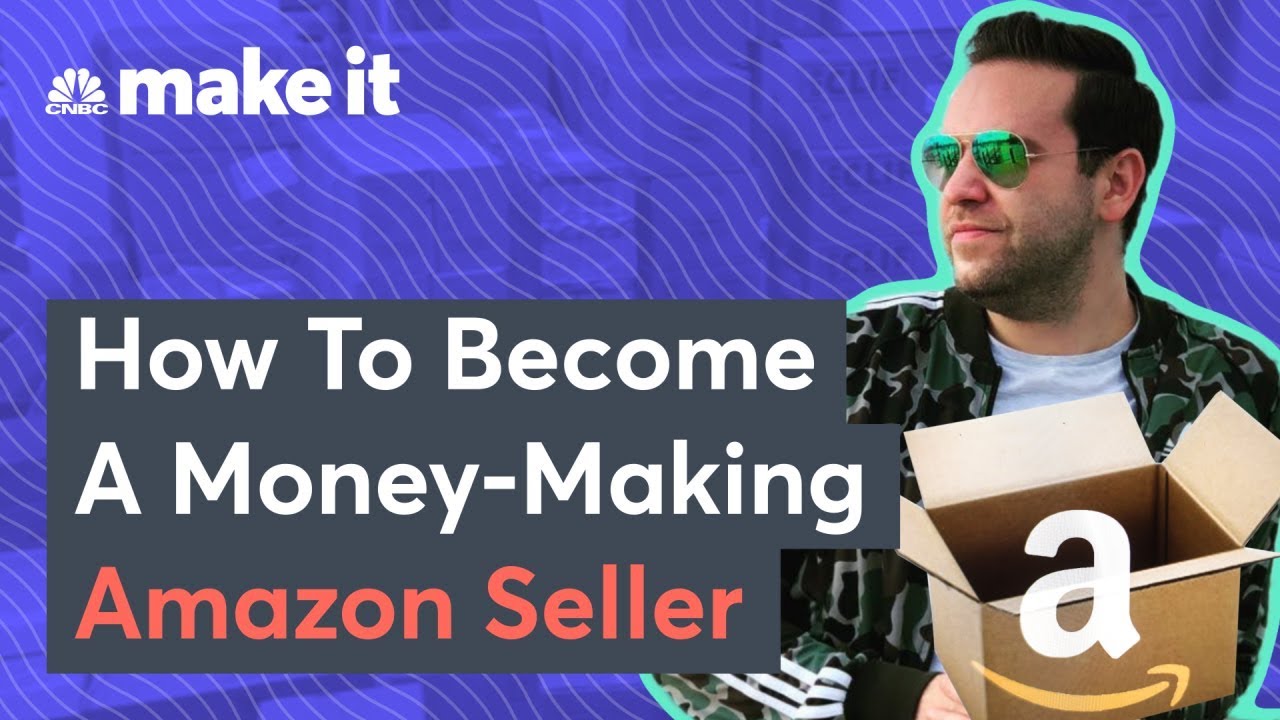
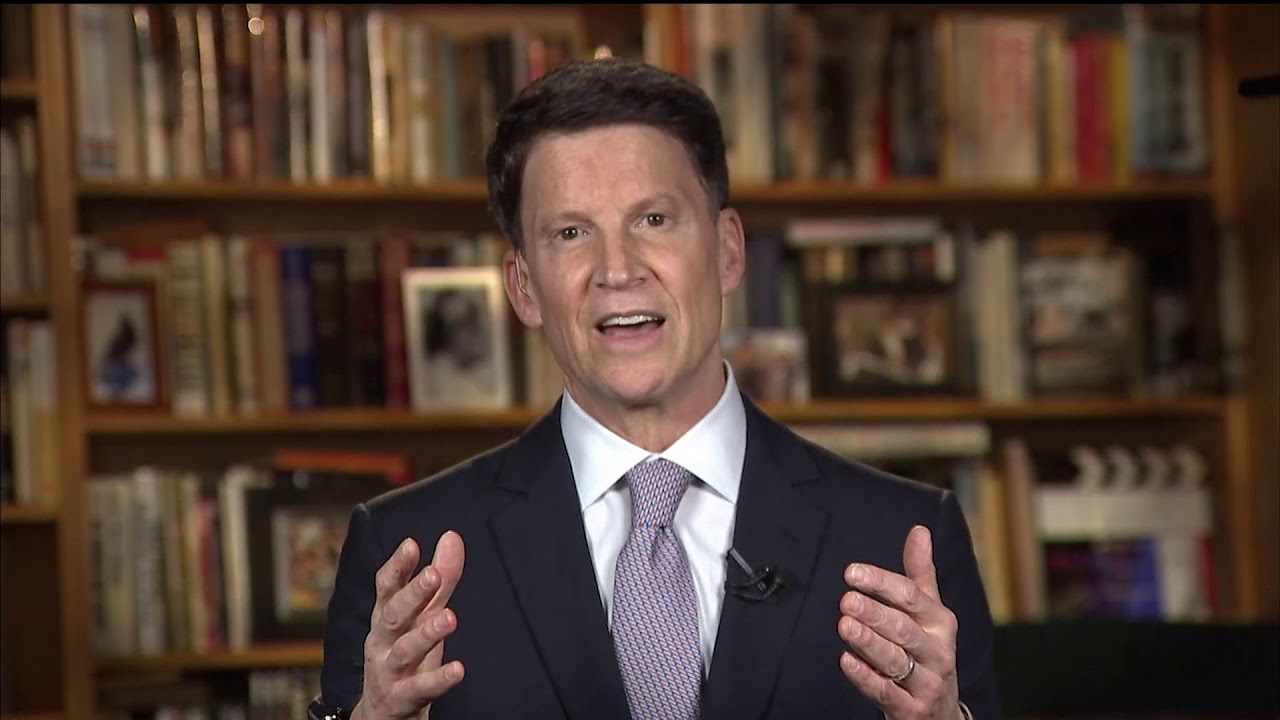
Larry Lubarsky brought in $18 million in 2017 buying products in bulk and selling them on Amazon. Here are his tips for making money as an Amazon seller.
» Subscribe to CNBC Make It.
Seven years ago, Larry Lubarsky was unemployed and $100,000 in debt. Today, he's a 38-year-old small business owner, running a company that brings in millions of dollars per year by selling thousands of different products on Amazon.
His business selling products on Amazon "saved my life financially," Lubarsky says.
Lubarsky buys a wide variety of products in bulk and then he re-sells them on Amazon, all while trying to turn a tidy profit. He engages in a business model known as wholesale arbitrage, which sees him buying large quantities of products from wholesalers or large brands.
In 2017, Lubarsky's business pulled in roughly $18 million in revenue, including a net profit of $4 million, from selling products on Amazon. Lubarsky only launched the business in 2014, and he brought in more than $3 million in that first year, he tells CNBC Make It.
So, how does Lubarsky do it?
First things first. You'll need money to get started, so you can buy wholesale products to sell online. Lubarsky told CNBC Make It that he pitched his Amazon selling business to a few friends and family members before one friend believed in him enough to invest $60,000. Lubarsky spent about $10,000 of that amount on renting a small office space and on shipping supplies (to ship the products he'd sell on Amazon). He used the rest of the money of to buy his first batch of inventory, including almost 100 different wholesale products that he knew would sell well on Amazon and return a respectable profit.
Lubarsky relies on wholesale companies, or even large brands, that are willing to sell products in bulk for resale. It's the best way to get a large quantity of products at a discounted price, he says.
If you're just getting started, though, Lubarsky's advice is to stick with wholesalers, versus reaching out to large brands (like Hasbro, which makes Nerf toys) directly. "For someone new, it is probably easier to source product from large distributors and wholesalers than it is to approach brands directly," he tells CNBC Make It, noting that larger retail brands are likely "being approached by five to 10 different e-commerce people, or Amazon sellers, a week" trying to establish relationships.
Of course, Lubarsky's business only works if people are actually willing to buy the products he buys in bulk — otherwise, he's left with unsold inventory. In order to decide what to buy, Lubarsky and his employees research extensively using Amazon's Fulfillment by Amazon (FBA) site, which offers sales-tracking tools to third-party sellers that can tell Lubarsky how many units of a particular product are typically sold each day.
For the most part, Lubarsky is unlikely to consider any product that is outside of the 50,000 top sellers on Amazon's ranking.
The second factor he considers is the expected return on his investment (or ROI). He wants any product he's buying to give him at least a 30 percent ROI, so that if he buys something for $10 per unit, he'll make about $3 on each sale. And Lubarsky requires a minimum of $3 profit per item, because otherwise the margin is too small to be worth the effort.
Getting a 30 percent return on a big investment might make you want to kick back and enjoy spending your profits. But Lubarsky says the only way to scale this type of business is to continuously reinvest, which means buying more and more inventory.
The $50,000 that Lubarsky spent on his first batch of inventory returned a $20,000 profit, for a total of $70,000, he says. He took that entire sum and bought even more inventory, which soon turned into a total of $100,000, and so on.
Of course, there's nothing simple about starting and running any successful business — and, these are just Lubarsky's tips on the basics of operating as a third-party seller on Amazon. But, if you're looking to follow in the footsteps of someone like Lubarsky, he says his best advice is to be as dedicated to the venture as you would any other full-time business.
About CNBC Make It.: CNBC Make It. is a new section of CNBC dedicated to making you smarter about managing your business, career, and money.
Connect with CNBC Make It. Online
Get the latest updates
Find CNBC Make It. on Facebook
Find CNBC Make It. on Twitter
Find CNBC Make It. on Instagram
Find CNBC Make It. on LinkedIn
#CNBC
#CNBCMakeIt
#Amazon
How to start a successful Amazon business, from a seller who's making millions | CNBC Make It.
Sentinel Indexing in Progress
Metadata and chapters are available. Claim extraction for this episode is pending.
All video content is delivered via YouTube embedded players in accordance with the YouTube Terms of Service. Sentinel provides research tools that promote discovery and accountability across political media.