Daniel Davis Deep Dive
@danieldavisdeepdive·442K subscribers·4.9K videos
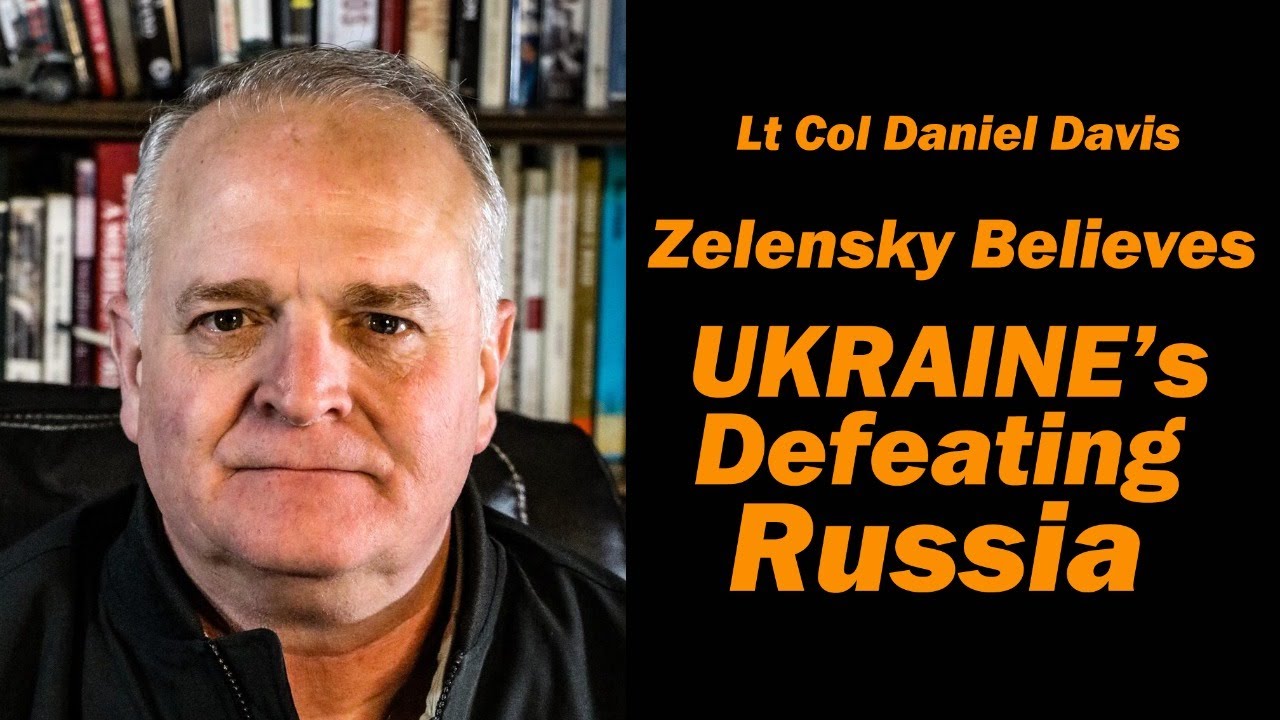
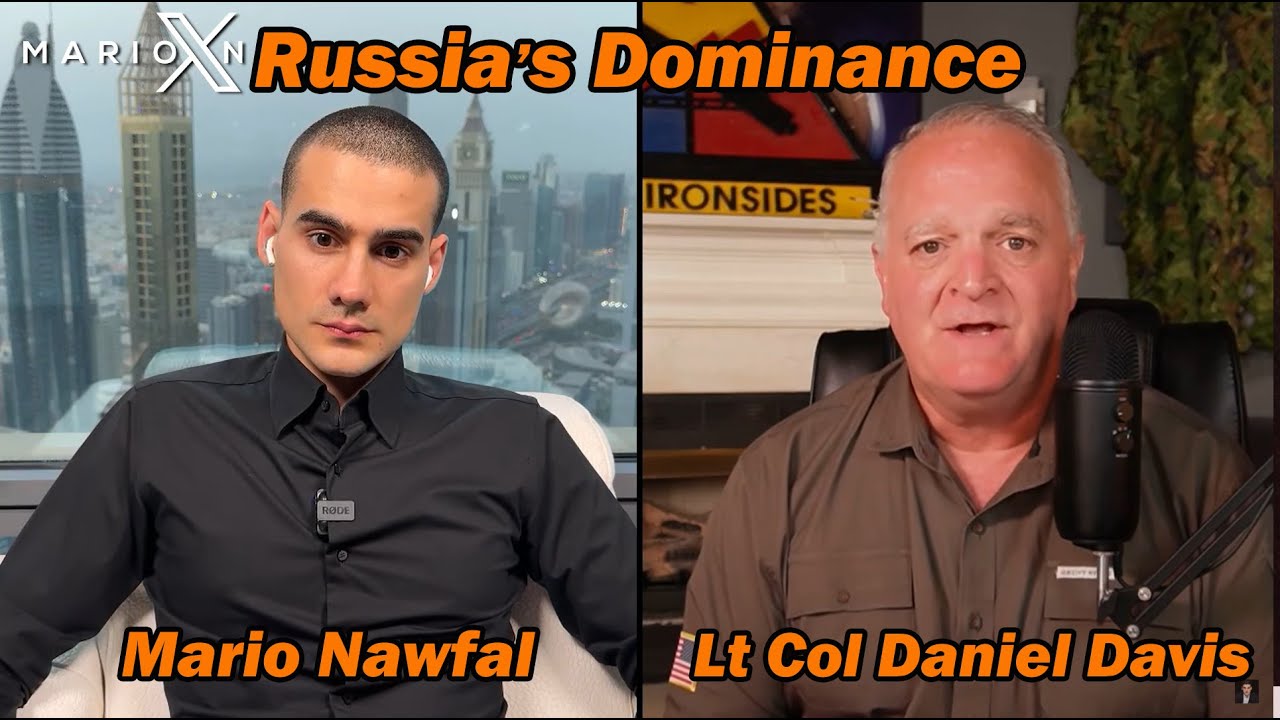
Lt Col Daniel Davis & Mario Nawfal: RUSSIA's DOMINANCE in the War with Ukraine
Posted
September 22, 2025
Views
42,771
Likes
1,903
Comments
407
Engagement
September 22, 2025
42,771
1,903
407
5.40%
Every word spoken in this episode is indexed. Type any phrase to jump straight to the moment it was said.
Type any word or phrase that may have been spoken. Click a result to seek the player to that exact moment.
Try a name, a topic, or a quoted line
 15:36Now Playing
Daniel Davis Deep Dive Merch: Etsy store
Danny argues there is no military path for Ukraine to avoid defeat—Russia’s advantages in manpower, air power (including drones), artillery, engineering, and industrial capacity make continued fighting a war of attrition that Ukraine cannot sustain. The practical recommendation: pursue the best (even “ugly”) negotiated settlement now, because refusing diplomatic off-ramps risks far larger territorial losses and many more casualties.
Key points
No military victory possible. From the start the speaker believed Ukraine could not militarily drive Russia back to its 1991 borders; current evidence (attrition, limited successful offensives) supports that view.
Manpower is decisive. Wars are ultimately won by people. Russia has a huge recruitment pool and can sustain losses far longer than Ukraine, which faces desertions and population flight.
Material and combat advantages for Russia. Russia holds advantages in air power (and drones), artillery, engineering support, and defense-industrial capacity — all critical in sustained, high-intensity war.
Ukraine’s limited options and unsustainable losses. Ukrainian mobilization and long-range strikes inflict pain but don’t offset Russia’s overall advantages; Ukrainian casualties and desertions are mounting.
Past diplomatic opportunities were missed. The speaker cites missed off-ramps (e.g., Minsk-related options and offers in 2022/2023) that could have preserved more Ukrainian territory and rights.
Negotiation is the rational — and moral — choice now. Continuing to insist on an unattainable military outcome risks “wasting away” Ukraine’s people and territory; accepting a bad deal now could prevent a worse future outcome.
Likely terms and stakes. A settlement would probably leave Donbas, Zaporizhzhia, Crimea (and possibly more territory up to the Dnipro, Odessa, or links to Transnistria) under Russian control — ugly but plausible if fighting continues.
Blame and geopolitics. The speaker assigns significant blame to U.S. policy for rejecting earlier deals (calls out Biden administration most), criticizes current passive approaches, and notes Europe may be contributing a larger share of aid under the present administration.
Operational reality of Western militaries. Even European armies that look strong “on paper” have limited deployable manpower compared to Russia; assembling and sustaining a large multinational force would be difficult.
Bottom line (one sentence)
Given Russia’s structural advantages and Ukraine’s mounting human costs, the speaker insists the sensible — and humane — course is to secure the best possible negotiated settlement now rather than chase an unattainable military victory.
Sentinel Indexing in Progress
Metadata and chapters are available. Claim extraction for this episode is pending.
All video content is delivered via YouTube embedded players in accordance with the YouTube Terms of Service. Sentinel provides research tools that promote discovery and accountability across political media.