Daniel Davis Deep Dive
@danieldavisdeepdive·442K subscribers·4.9K videos
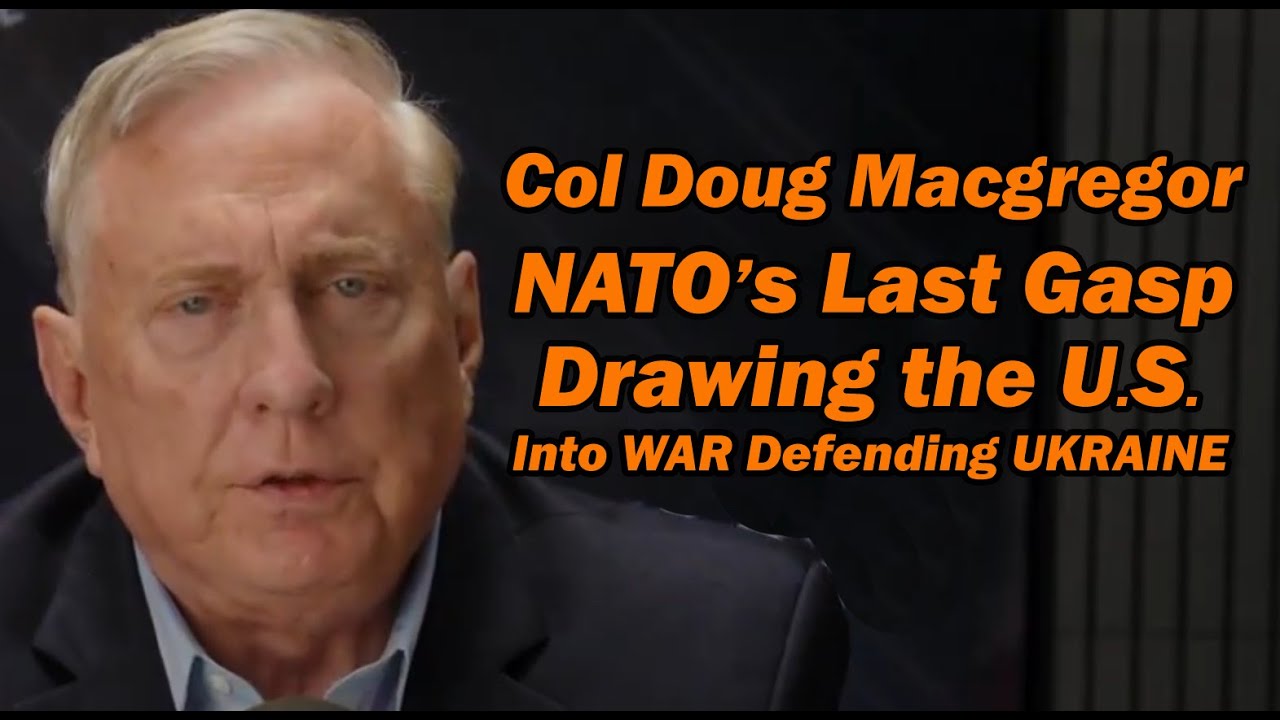
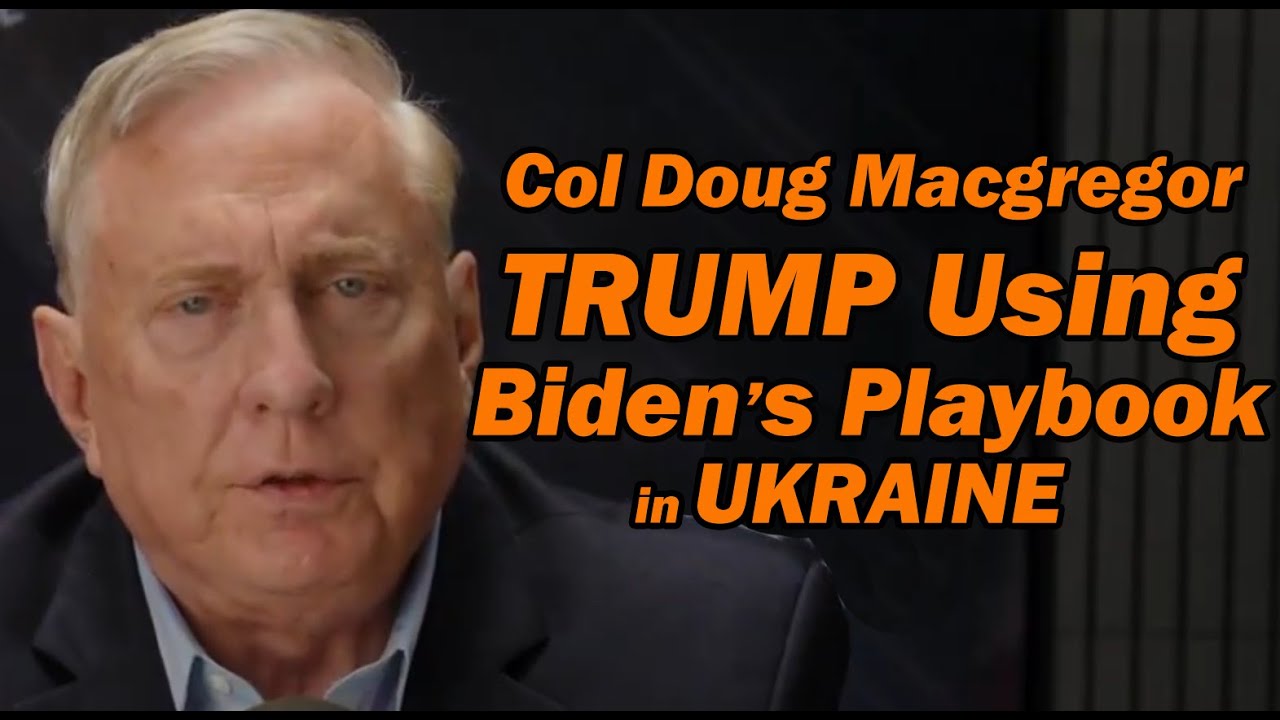
Col Doug Macgregor - TRUMP Using BIDEN's Playbook in UKRAINE
Posted
September 23, 2025
Views
89,101
Likes
5,157
Comments
752
Engagement
September 23, 2025
89,101
5,157
752
6.63%
Every word spoken in this episode is indexed. Type any phrase to jump straight to the moment it was said.
Type any word or phrase that may have been spoken. Click a result to seek the player to that exact moment.
Try a name, a topic, or a quoted line
 56:33Now Playing
Daniel Davis Deep Dive Merch: Etsy store
Doug argues that treating Russia as the primary problem and trying to “harm Russia further” so it will negotiate has repeatedly failed and is a misguided, repetitive policy — calling it “insanity” (doing the same thing over and over and expecting different results). The speaker ties this criticism to both Donald Trump and Joe Biden, saying current policy amounts to “Biden 2.0” rather than a meaningful change.
Key policy criticisms
Large U.S. arms packages and monthly support commitments (e.g., suggestions of ~$1 billion per month / $500M packages) are unsustainable and hollow leadership — they offload problems onto recipients and benefit defense contractors. (Contemporary reporting also notes approval of $500M-class packages under a new NATO funding mechanism.)
Reuters
+1
The U.S. industrial base cannot quickly replenish munitions and inventories if shipments continue at current rates; even if fighting stopped, it would take years (estimates in the transcript range from 5–7 years if very efficient to 8–10 years realistically) to rebuild stockpiles. The speaker worries prolonged aid will erode U.S. national security capacity.
Air & Space Forces Magazine
+1
Accusations about the administration(s)
The speaker describes the current administration as extremely “transactional” and motivated by money: ambassadorships for donors, lucrative defense deals, and other forms of “legalized grift.” This theme is used to argue the present leadership is as corrupt as its predecessor.
The speaker rejects the claim that selling/arming allies is true leadership, arguing instead that simply providing weapons and saying “what you do with it is your problem” is a failure of statesmanship.
Assessment of allies / NATO
Some NATO members have increased defense spending (example noted: movement from 2% to 5% by some members), but the speaker contends contributions are uneven and there is no unity of command or purchases, with much equipment bought from the U.S. (which benefits U.S. industry).
The speaker is skeptical that European fiscal problems and reliance on U.S. equipment make the current path sustainable.
Geopolitical and strategic risks
China is profiting and learning from the Ukraine conflict: it can outproduce the U.S., has used Ukraine as a testing ground for weapons, and is exporting advanced missile and radar tech to regional actors (Pakistan, Saudi Arabia, Egypt, Iran, possibly Turkey), which will shift regional balances and complicate U.S./Israeli defenses.
The global move away from the dollar (treasury sell-offs, diversification) is tied to sanctions-strategy lessons (e.g., how the West treated Russia), accelerating alternatives and weakening U.S. leverage.
Tone and rhetorical moves
Repeated use of moralizing and personal critique: the speaker expresses disappointment and “buyer’s remorse” about leaders once trusted, mixes policy critique with moral accusations (corruption, incompetence), and uses rhetorical devices to emphasize that repeating failed policies is foolish.
The speaker alternates detailed operational concerns (munitions timelines, defense industrial base limits) with broad normative claims (leadership failures, corruption, geopolitical decline).
Bottom-line takeaways
Relying on continued, large weapons shipments and hoping punishment will force Russia to negotiate is a failing strategy and risks long-term U.S. military readiness.
The administration’s tactics are portrayed as transactional and financially motivated rather than strategically coherent.
Strategic competition with China and proliferation of advanced weapons to regional states pose longer-term, possibly irreversible, shifts in military balance.
Restoring U.S. stockpiles and industrial capacity will take many years and significant policy planning; continuing current aid patterns will deepen that vulnerability.
Sentinel Indexing in Progress
Metadata and chapters are available. Claim extraction for this episode is pending.
All video content is delivered via YouTube embedded players in accordance with the YouTube Terms of Service. Sentinel provides research tools that promote discovery and accountability across political media.