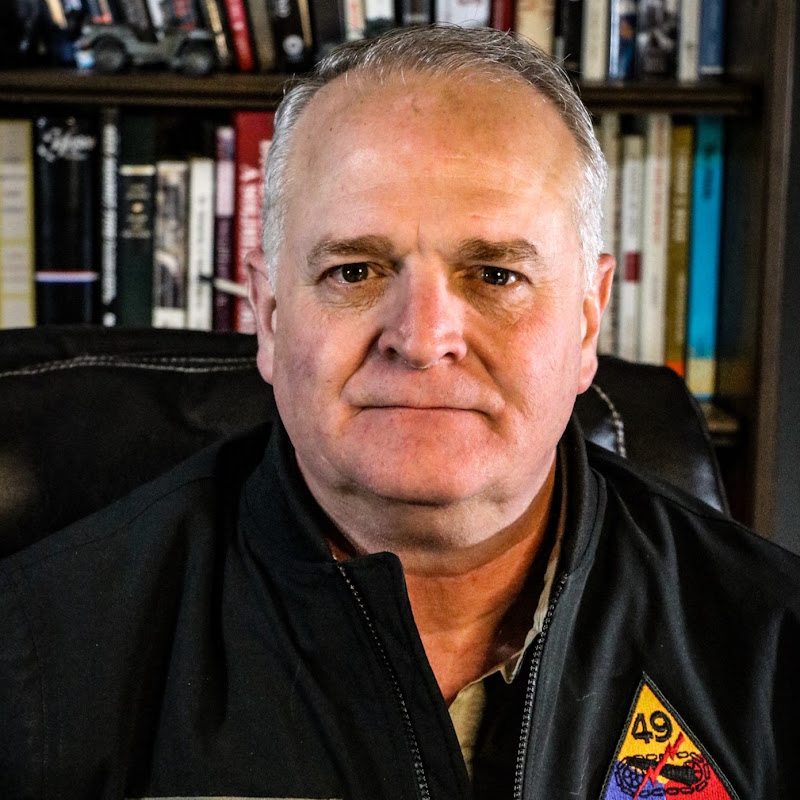
Daniel Davis Deep Dive
@danieldavisdeepdive·442K subscribers·4.9K videos
Russia Calling NATO's Bluff /Lt Col Daniel Davis
Posted
October 1, 2025
Views
29,844
Likes
1,554
Comments
362
Engagement
October 1, 2025
29,844
1,554
362
6.42%
Every word spoken in this episode is indexed. Type any phrase to jump straight to the moment it was said.
Type any word or phrase that may have been spoken. Click a result to seek the player to that exact moment.
Try a name, a topic, or a quoted line
 11:23Now Playing
Daniel Davis Deep Dive Merch: Etsy store
The Ukraine Russia war is increasingly targeting civilian infrastructure, with Ukraine striking a major power plant in Belgorod, knocking out one-third of the city’s power.
Russian analyst Mark Galeotti noted that blackouts aren’t just a military issue but a political one — they undermine Putin’s image of stability.
While Russia has more soldiers and weapons, public opinion matters. However, contrary to Western narratives, Russia’s leadership repeatedly denies wanting to recreate the Soviet Union, arguing it would be a costly burden they don’t have the capacity for.
Strikes inside Russia could backfire, strengthening public support for escalation rather than weakening it. Some in Russia’s military even criticize Putin for not waging the war hard enough.
Ukraine is also suffering massive infrastructure damage, especially as winter approaches. The conflict has expanded beyond the front lines into deep strategic attacks on both sides.
Economic Pressure on Russia
Western efforts to choke off Russian oil revenues aren’t working because key countries (Slovakia, Hungary, India) refuse to stop buying Russian fuel, calling it economic suicide.
India and others are even increasing purchases of discounted Russian oil.
U.S. plans to rapidly expand its defense industrial base will take years, so near-term leverage over Russia is limited.
Gaza Conflict & Trump/Netanyahu “20-Point Plan”
Trump proposed a plan requiring Hamas to surrender weapons, destroy tunnels, release hostages within 48 hours, and allow humanitarian/economic aid under strict conditions.
A Palestinian state remains part of the plan, which is surprising given Netanyahu’s public rejection of a two-state solution at the UN.
The plan faces huge obstacles: Hamas’ fragmented control over hostages, Netanyahu’s coalition’s internal opposition (figures like Ben-Gvir), and unclear leadership of any future Palestinian state.
Gaza’s devastation is compared to Dresden in WWII: widespread destruction, starvation, and lack of medical care.
Despite widespread hopes for peace, the 30% of the plan where U.S. and Israeli positions diverge could derail it.
Overall Themes
Both the Ukraine-Russia war and Gaza conflict show how modern warfare deeply impacts civilians and political stability.
Economic and military pressure have limits when other nations won’t comply or internal politics resist change.
In Gaza, even if a ceasefire begins, leadership, territory, and governance remain unresolved.
Sentinel Indexing in Progress
Metadata and chapters are available. Claim extraction for this episode is pending.
All video content is delivered via YouTube embedded players in accordance with the YouTube Terms of Service. Sentinel provides research tools that promote discovery and accountability across political media.