Daniel Davis Deep Dive
@danieldavisdeepdive·442K subscribers·4.9K videos
John Mearsheimer: Trump's Israel Gaza Plan NOT a TWO-STATE PLAN
Posted
October 9, 2025
Views
15,425
Likes
645
Comments
104
Engagement
October 9, 2025
15,425
645
104
4.86%
Every word spoken in this episode is indexed. Type any phrase to jump straight to the moment it was said.
Type any word or phrase that may have been spoken. Click a result to seek the player to that exact moment.
Try a name, a topic, or a quoted line
 23:50Now Playing
Daniel Davis Deep Dive Merch: Etsy store
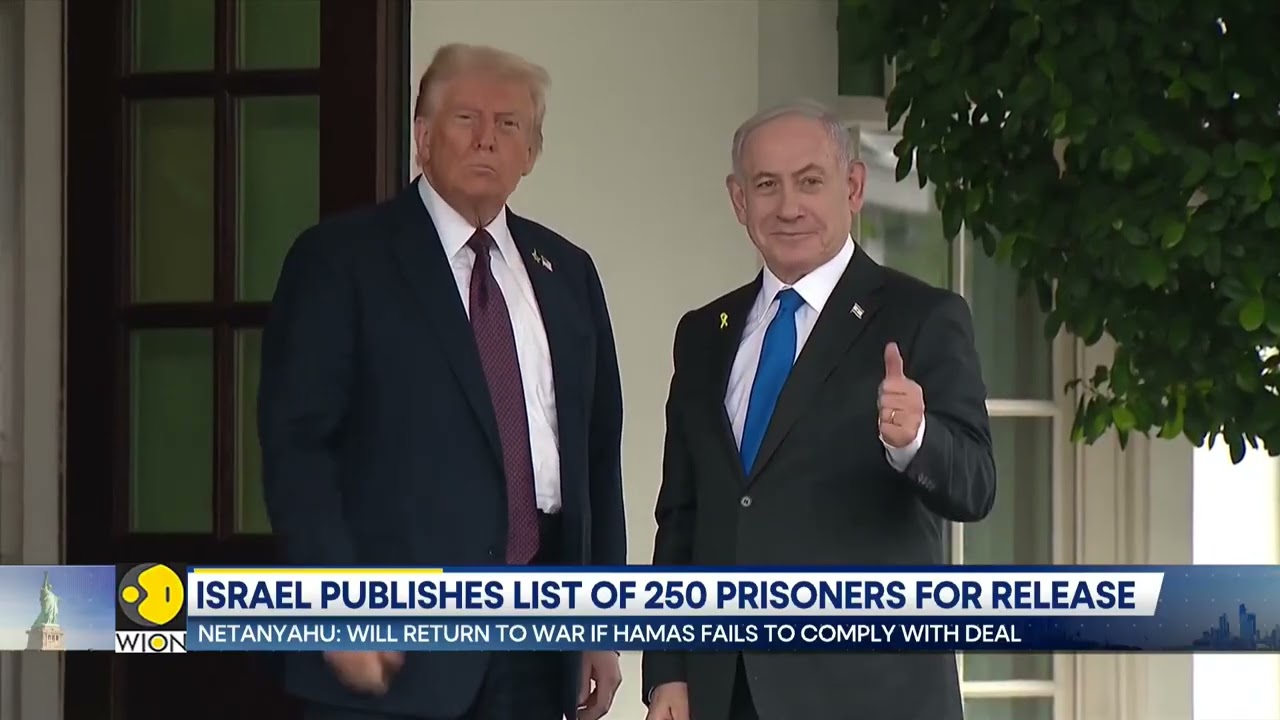
This discussion examines whether Israel’s acceptance of Trump’s new peace plan signals progress toward a Palestinian state — and how Iran fits into the broader regional picture.
Key points:
Conditional terms: The agreement requires both sides to act — Hamas must disarm and Gaza must be demilitarized — not just Israel.
No clear commitment to a Palestinian state:
Trump’s plan references “a credible pathway to Palestinian self-determination and statehood” but uses conditional language (“may finally be in place”).
Point 19 is aspirational, not a guarantee.
Point 20 states there is “no political horizon established” and only calls for dialogue to define one — meaning no concrete plan for statehood.
Mearsheimer explains this wording was deliberately crafted by Israeli and U.S. officials (notably Ron Dermer and Netanyahu) to avoid promising a Palestinian state.
Israeli leadership’s position: Netanyahu and his government have consistently opposed a two-state solution, both before and after meeting with Trump. Polls inside Israel show little public support for creating a Palestinian state.
Outcome for Palestinians:
Mearsheimer argues that Israel’s real goal is a “Greater Israel” without Palestinians, accusing it of ethnic cleansing in Gaza and the West Bank.
He predicts continued suffering and displacement for Palestinians, calling recent actions “genocidal.”
Trump’s public commitment:
Despite his pro-Israel stance, Trump is now publicly committed to “peace in Gaza”, making it harder (though not impossible) for Israel to resume major offensives.
Hamas appears to be betting on Trump’s involvement to secure stability or reconstruction.
Iran dimension:
Trump has claimed that the U.S.-Israel attack on Iran in June helped achieve this peace framework, though no clear logic or evidence supports the link.
He also insists Iran now wants peace and cannot have nuclear weapons.
However, Israeli figures like Avigdor Lieberman warn of possible Iranian retaliation — a claim Mearsheimer dismisses as baseless, arguing Iran has avoided conflict and that it’s Israel driving escalation, not Tehran.
Balance of power:
Mearsheimer concludes that Israel cannot simply “slam Iran” or win easily — the balance of power no longer favors it as decisively as before, and the June conflict did not deliver a true Israeli victory.
Summary takeaway:
Trump’s plan uses strategic ambiguity — language that appears to promise a path to Palestinian statehood but actually ensures none. Israel’s government remains firmly opposed to two states, pursuing instead a vision of territorial dominance. Mearsheimer sees continuing dispossession of Palestinians, a cautious Iran avoiding confrontation, and Trump’s rhetoric serving mainly political optics rather than a real peace breakthrough.
Sentinel Indexing in Progress
Metadata and chapters are available. Claim extraction for this episode is pending.
All video content is delivered via YouTube embedded players in accordance with the YouTube Terms of Service. Sentinel provides research tools that promote discovery and accountability across political media.