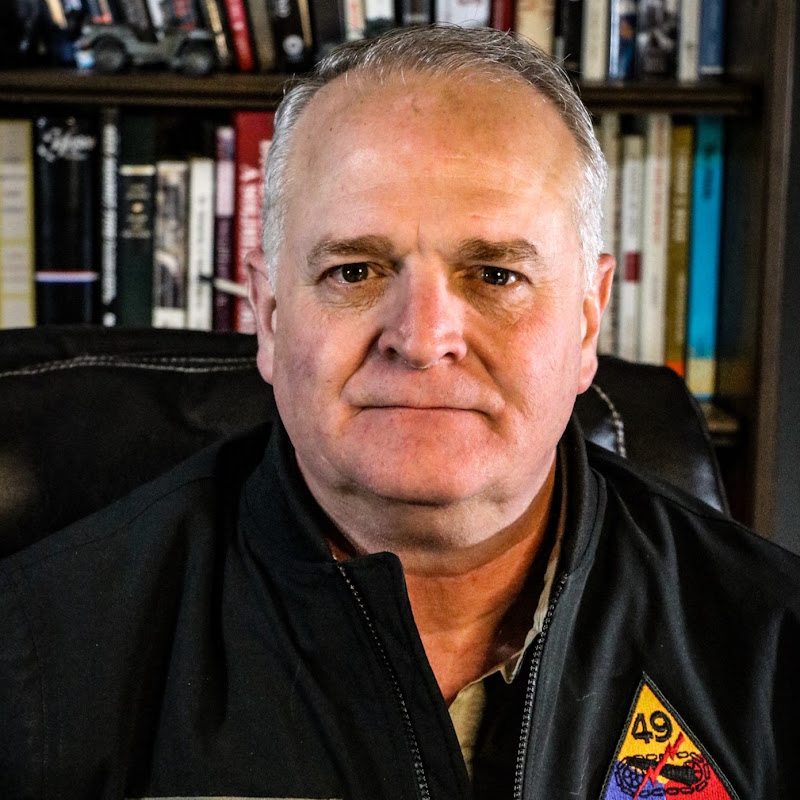
Daniel Davis Deep Dive
@danieldavisdeepdive·442K subscribers·4.9K videos
Keeping Ukraine on Life Support /Lt Col Daniel Davis
Posted
December 18, 2025
Views
18,992
Likes
1,782
Comments
276
Engagement
December 18, 2025
18,992
1,782
276
10.84%
Every word spoken in this episode is indexed. Type any phrase to jump straight to the moment it was said.
Type any word or phrase that may have been spoken. Click a result to seek the player to that exact moment.
Try a name, a topic, or a quoted line
 27:00Now Playing
** NEW MERCH ** Jackets & Sweatshirts, Thermo Mugs!!
Daniel Davis Deep Dive Merch: Etsy store
End the war through negotiations now, accepting an “ugly deal” that would expose years of Western claims about inevitable Ukrainian victory and Russian collapse as false.
Continue financing Ukraine through large EU loans, pushing European countries deeper into debt while still facing eventual defeat, increasing costs for both Ukraine and European citizens.
Confiscate frozen Russian assets, which could reduce direct taxpayer costs but would trigger serious retaliation and long-term consequences, while not changing the war’s ultimate outcome.
All options are described as damaging, with Ukraine continuing to pay the highest price in lives lost. The speaker accuses European elites of “magical thinking”—hoping for some unlikely, sudden event (like Putin’s death or Russia quitting) to change reality—despite overwhelming odds against it.
EU leaders such as Ursula von der Leyen argue for “solidarity,” insisting that risks and costs must be shared across the EU, but this faces strong resistance, especially from smaller and medium-sized states that want the war to end. No decision was reached at the latest EU meeting, reflecting deep internal divisions.
Poland’s Donald Tusk frames the choice emotionally as “money today or blood tomorrow,” warning that Europe itself would face war if Ukraine loses. The speaker rejects this, arguing Russia lacks both the capacity and intent to attack Europe and that such rhetoric contradicts years of Western messaging that Russia is weak and overstretched.
Significant concern centers on asset confiscation, especially in Belgium where most frozen Russian funds are held. Belgium’s prime minister warns Russia has threatened serious retaliation if assets are seized. The speaker stresses that Russia historically responds tit-for-tat and would likely retaliate economically or politically, escalating costs for Europe.
Overall, the argument is that Europe is trapped by its own narratives, unwilling to admit failure, divided internally, and drifting toward choices that worsen economic damage, prolong Ukrainian suffering, and risk broader consequences—largely to delay an outcome the speaker sees as inevitable.
Sentinel Indexing in Progress
Metadata and chapters are available. Claim extraction for this episode is pending.
All video content is delivered via YouTube embedded players in accordance with the YouTube Terms of Service. Sentinel provides research tools that promote discovery and accountability across political media.