Daniel Davis Deep Dive
@danieldavisdeepdive·442K subscribers·4.9K videos
From Iraq to Ukraine: Dirty Secrets & Lies /Lt Col Daniel Davis & Larry Johnson
Posted
December 17, 2025
Views
18,972
Likes
2,147
Comments
126
Engagement
December 17, 2025
18,972
2,147
126
11.98%
Every word spoken in this episode is indexed. Type any phrase to jump straight to the moment it was said.
Type any word or phrase that may have been spoken. Click a result to seek the player to that exact moment.
Try a name, a topic, or a quoted line
 54:07Now Playing
** NEW MERCH ** Jackets & Sweatshirts, Thermo Mugs!!
Daniel Davis Deep Dive Merch: Etsy store
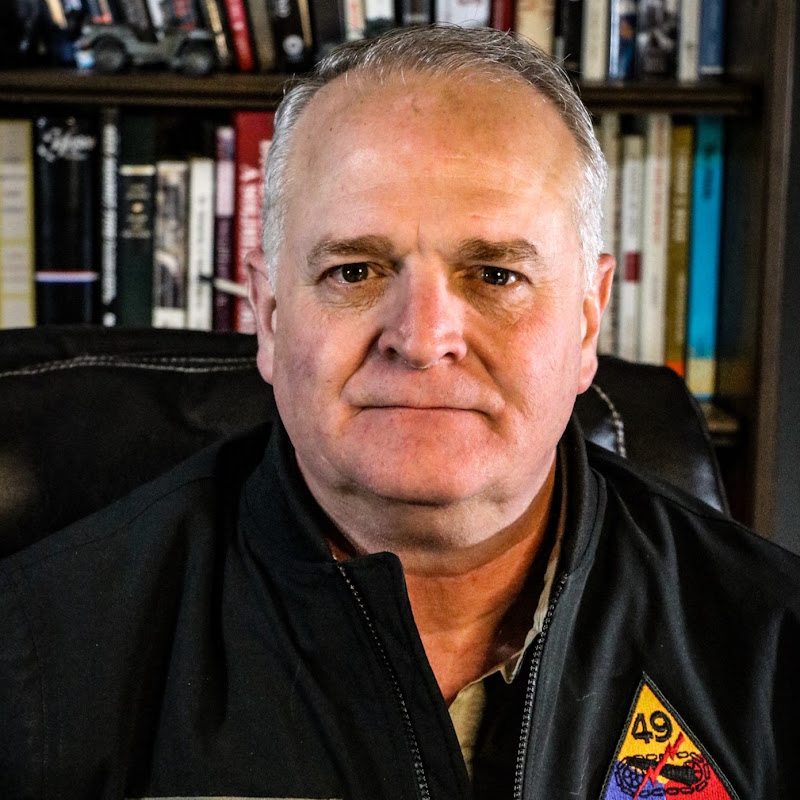
The discussion opens informally before shifting to a serious interview in which the host questions Danny Davis about his military background and lessons from Iraq and Afghanistan.
Davis explains that during his 2009 deployment to Iraq, his role was to train Iraqi border units. He quickly realized the effort was largely futile: Iraqi forces had little interest in the training, much of it was performative, and claims made to Congress and the media about progress were a façade. In reality, the training neither improved Iraqi capabilities nor stabilized the country. Instead, after U.S. withdrawal, Iraqi security forces used that training against Sunni populations, helping fuel the rise of ISIS rather than preventing it.
Turning to Afghanistan, Davis recounts his time at the Defense Intelligence Agency, where he authored a report arguing against the large troop surge proposed by Generals McChrystal and Petraeus. He warned that “going big” would fail and advocated a smaller, localized approach. President Obama rejected this advice and approved the surge.
Initially, Davis believed official claims that the surge was succeeding. However, after deploying to Afghanistan in late 2010 as chief of the Rapid Equipping Force—requiring extensive travel across the country and direct interaction with frontline units—he concluded those claims were false. He witnessed systemic dishonesty by senior commanders who misrepresented battlefield realities to the media and Congress.
Davis describes repeated operations where U.S. forces suffered casualties, temporarily cleared Taliban areas, then withdrew—allowing the Taliban to immediately return. Afghan forces often fled under threat, abandoning equipment. Despite this, commanders publicly claimed American soldiers had “died for something meaningful,” which Davis knew was untrue.
The turning point for him was seeing specific operations where American lives were lost with no lasting impact, followed by public lies justifying those losses. He recounts personal encounters with soldiers later killed in such operations, reinforcing his belief that leadership deception directly cost American lives. He concludes that this behavior was not merely unethical but immoral, and it motivated him to speak out publicly against the war’s false narrative of progress.
Sentinel Indexing in Progress
Metadata and chapters are available. Claim extraction for this episode is pending.
All video content is delivered via YouTube embedded players in accordance with the YouTube Terms of Service. Sentinel provides research tools that promote discovery and accountability across political media.