Daniel Davis Deep Dive
@danieldavisdeepdive·442K subscribers·4.9K videos
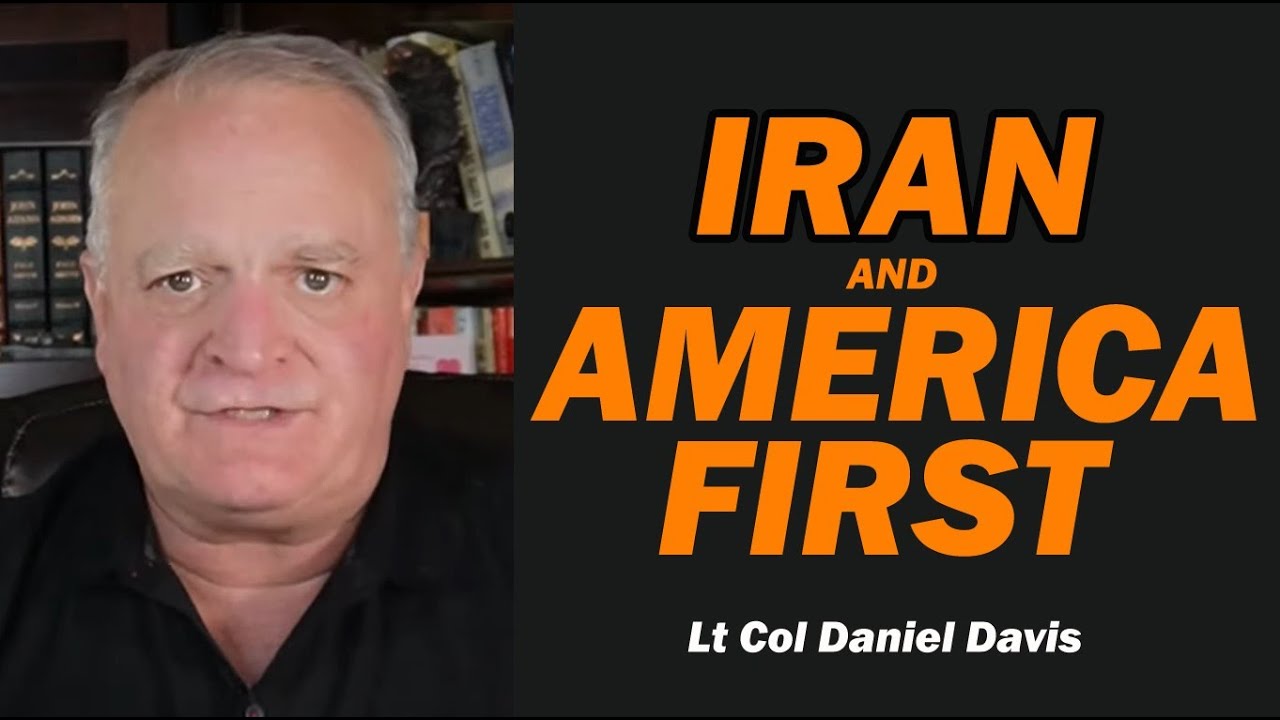
IRAN & AMERICA FIRST: How Does That Work? /Lt Col Daniel Davis
Posted
February 5, 2026
Views
10,707
Likes
563
Comments
116
Engagement
February 5, 2026
10,707
563
116
6.34%
Every word spoken in this episode is indexed. Type any phrase to jump straight to the moment it was said.
Type any word or phrase that may have been spoken. Click a result to seek the player to that exact moment.
Try a name, a topic, or a quoted line
 22:41Now Playing
** NEW MERCH ** Jackets & Sweatshirts, Thermo Mugs!!
Daniel Davis Deep Dive Merch: Etsy store
Core Claim
The president is undeniably reshaping world politics, but not in a coherent or genuinely “America First” way. Instead, U.S. foreign policy has become inconsistent, legally questionable, and strategically dangerous—closer to global disorder than a new world order.
America First — In Name Only
Military actions in Nigeria, the Red Sea (Houthis), Iran, and Venezuela do not clearly serve U.S. national interests.
Several actions appear driven by domestic political constituencies (e.g., evangelicals over Nigeria) or foreign interests (especially Israel regarding Iran).
The Venezuela operation was effectively about oil and regime change, not drugs or security.
Most of these actions occurred without congressional authorization, violating both the U.S. Constitution and international law.
Authoritarian Drift
With few remaining guardrails, the president operates with near-total discretion.
So far, restraint has come not from law or principle, but fear of retaliation.
Iran represents a major escalation risk because retaliation is likely and potentially severe.
Iran: High Risk, No Upside
Unlike Iraq (2003), there are:
No boots on the ground
No capacity to occupy or control territory
Missile strikes alone won’t achieve regime change.
Iran has significant missile capabilities and U.S. forces in the region are vulnerable.
Any conflict could spiral quickly with no clear U.S. gains.
NATO and Alliances
NATO should have been ended or frozen after the Cold War, not expanded.
Expansion doubled membership, increased costs, and provoked Russia despite repeated warnings.
The U.S. should no longer be Europe’s frontline defender 80+ years after WWII.
Europe is wealthy enough to handle its own defense; the U.S. should shift to a secondary, over-the-shoulder role.
What Not to Do
Abrupt, aggressive actions (e.g., threatening to seize Greenland) undermine alliances and Article 5 credibility.
Lacking a clear strategy creates confusion, alienates allies, and antagonizes adversaries unnecessarily.
What a Real America First Strategy Would Look Like
Coherent, long-term strategy tied to U.S. economic and security interests
Respect for limits of power
Avoiding unnecessary wars
Preserving alliances while rebalancing responsibilities
Seeking stability, cooperation, and win-win outcomes where possible
Bottom Line
There is still time to course-correct:
No war with Iran yet
NATO not fully ruptured
Strategic space still exists
But success depends on rejecting impulsive militarism, restoring legal and strategic discipline, and prioritizing genuine American interests over chaos, ideology, or political theater.
Sentinel Indexing in Progress
Metadata and chapters are available. Claim extraction for this episode is pending.
All video content is delivered via YouTube embedded players in accordance with the YouTube Terms of Service. Sentinel provides research tools that promote discovery and accountability across political media.