Daniel Davis Deep Dive
@danieldavisdeepdive·442K subscribers·4.9K videos
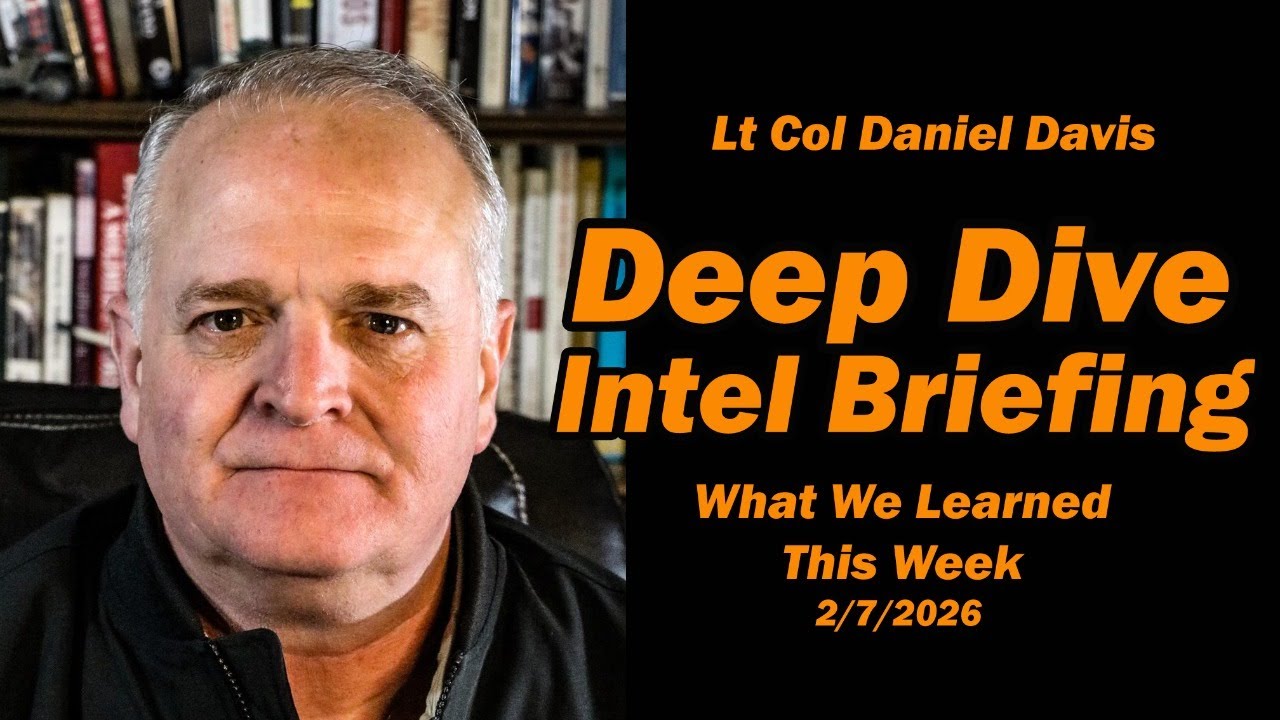
Deep Dive Intel Briefing: What We Learned This Week 2/7/2026 /Lt Col Daniel Davis
Posted
February 7, 2026
Views
31,710
Likes
2,035
Comments
279
Engagement
February 7, 2026
31,710
2,035
279
7.30%
Every word spoken in this episode is indexed. Type any phrase to jump straight to the moment it was said.
Type any word or phrase that may have been spoken. Click a result to seek the player to that exact moment.
Try a name, a topic, or a quoted line
 45:28Now Playing
** NEW MERCH ** Jackets & Sweatshirts, Thermo Mugs!!
Daniel Davis Deep Dive Merch: Etsy store
Danny argues that the core problem in the region isn’t Iran alone, but the broader humanitarian crisis—especially the ongoing suffering of Palestinians—which Iran’s foreign minister is deliberately highlighting to gain global sympathy. Iran presents itself as morally aligned with universal values (across religions) that defend human dignity, contrasting its rhetoric sharply with Israeli Prime Minister Netanyahu, who has openly rejected a Palestinian state and shown little concern for civilian suffering.
This framing resonates strongly across the Middle East and beyond. Many regional governments—some of which previously cooperated with the U.S. and Israel militarily—are now pulling back, refusing airspace access and opposing a war with Iran because they fear regional escalation more than Iran itself.
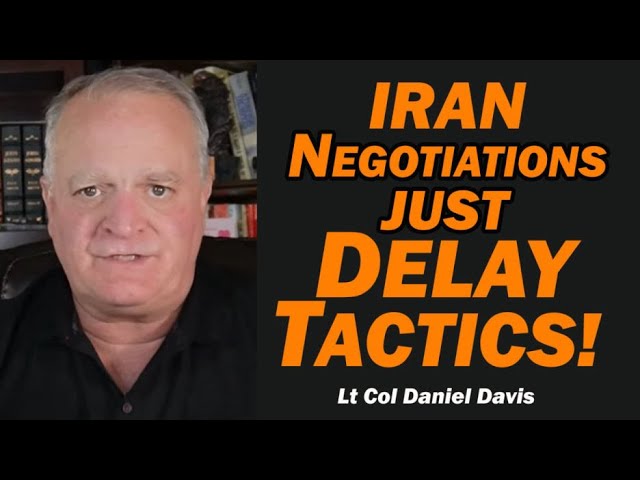
Although indirect U.S.–Iran talks took place in Oman, the lack of direct engagement is seen as a bad sign. Both sides publicly claim to want diplomacy while simultaneously threatening military action. Trump says Iran “wants a deal badly,” which is true in the sense that Iran wants to avoid war—but Iran only wants a narrow deal, focused mainly on limiting nuclear enrichment. The U.S., however, is demanding much more: zero enrichment, missile restrictions, ending support for regional proxies, and even internal human rights protections. Iran has made clear that missiles and proxies are non-negotiable.
This mismatch makes a deal unlikely.
Former officials like Mike Pompeo are openly arguing against negotiations altogether, pushing instead for military action and regime change, claiming Iran will never honor any agreement. The speaker finds this rhetoric shocking and dangerous, noting it openly advocates war and assassination as policy while dismissing legality or consequences.
The segment warns that pro-war voices are deliberately boxing Trump in politically—threatening to brand him “Obama 2.0” if he accepts a weaker deal than the 2015 nuclear agreement (which Iran’s current offer already is). Conservative media is saturating the narrative with calls for destruction rather than diplomacy.
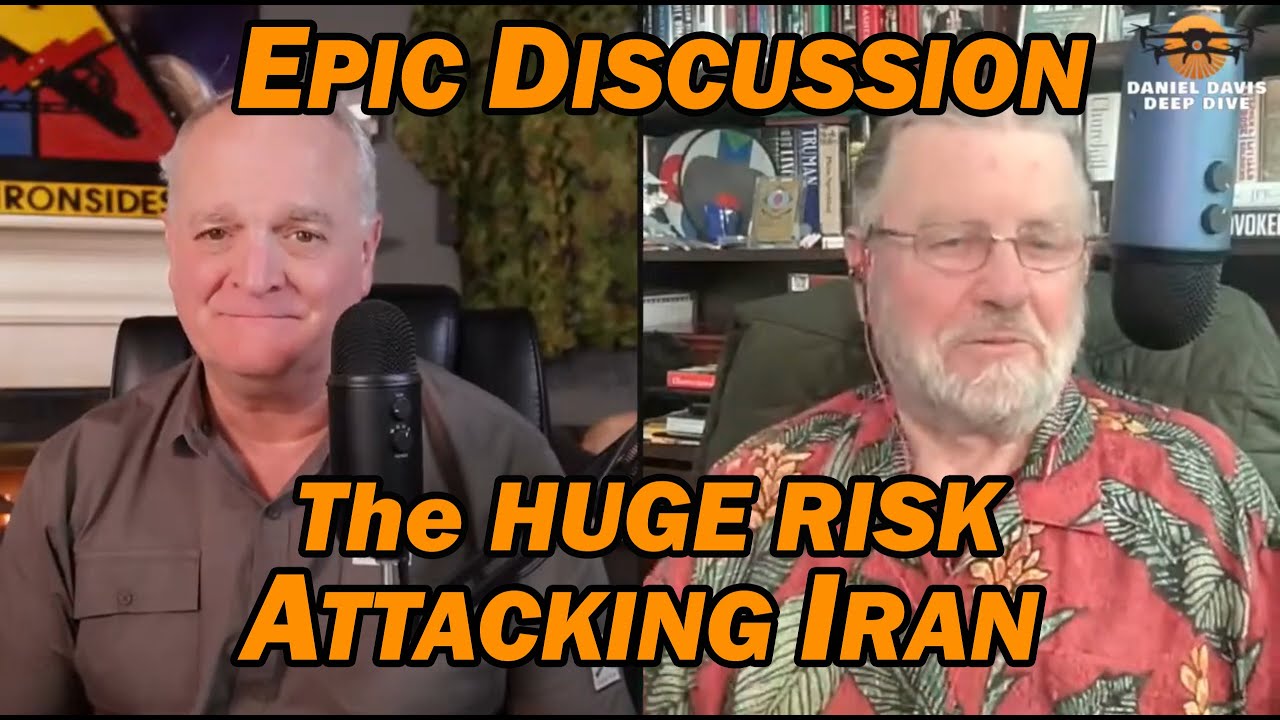
Finally, former CIA analyst Larry Johnson is cited to counter the idea that a war would be quick or easy. He explains that Iran could rapidly overwhelm U.S. naval air defenses with drones and missiles, forcing U.S. ships to withdraw to rearm and turning the conflict into a stop-start war. Iran has also clearly stated it would immediately strike U.S. bases and troops across the region—targets that pro-war advocates routinely ignore or downplay.
Bottom line:
Diplomacy is fragile and constrained by unrealistic U.S. demands, while war advocates underestimate Iran’s capacity to inflict serious damage. The region is exhausted, escalation risks are high, and the belief that Iran can be attacked without major consequences is dangerously flawed.
Sentinel Indexing in Progress
Metadata and chapters are available. Claim extraction for this episode is pending.
All video content is delivered via YouTube embedded players in accordance with the YouTube Terms of Service. Sentinel provides research tools that promote discovery and accountability across political media.