Daniel Davis Deep Dive
@danieldavisdeepdive·442K subscribers·4.9K videos
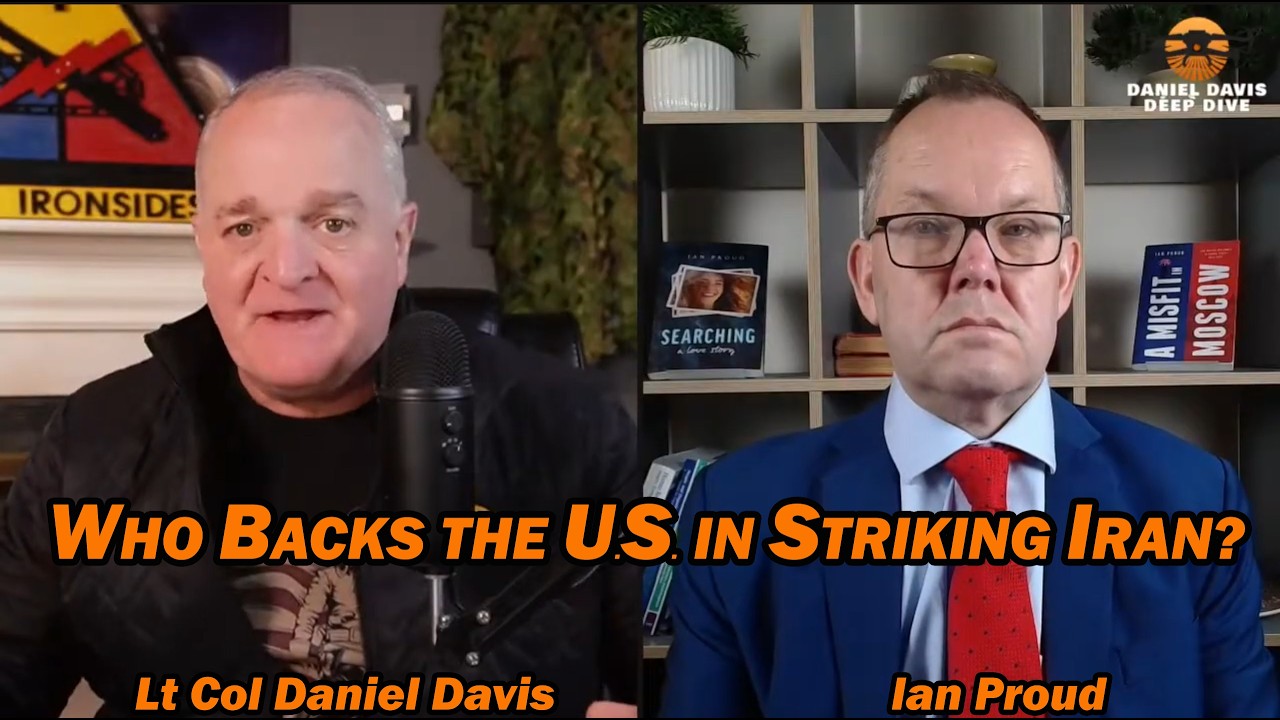
Europe Actually Thinks it's Helping Ukraine /Lt Col Daniel Davis & Ian Proud
Posted
February 26, 2026
Views
25,439
Likes
1,668
Comments
244
Engagement
February 26, 2026
25,439
1,668
244
7.52%
Every word spoken in this episode is indexed. Type any phrase to jump straight to the moment it was said.
Type any word or phrase that may have been spoken. Click a result to seek the player to that exact moment.
Try a name, a topic, or a quoted line
 53:18Now Playing
** NEW MERCH ** Jackets & Sweatshirts, Thermo Mugs!!
Daniel Davis Deep Dive Merch: Etsy store
Danny & Ian Proud argue that European governments are politically trapped in their support for Ukraine. With nationalist parties gaining ground in countries like Poland, United Kingdom, France, and Germany, leaders face rising domestic pressure. They are said to have overcommitted politically to Ukrainian President Volodymyr Zelenskyy, leaving themselves unable to change course without major political consequences. As a result, Europe lacks a clear strategy and continues supporting the war despite Ukraine’s severe economic, infrastructure, and demographic damage.
The discussion suggests many European leaders privately recognize the war’s trajectory but are stuck in slow, consensus-based EU decision-making that prevents decisive action. Military rhetoric about defeating Russia is described as unrealistic given Europe’s weakened armed forces, shrinking defense budgets, and economic strain.
In the UK, Prime Minister Keir Starmer faces declining popularity, high national debt, and public frustration over domestic issues like public services and taxes. Although he has spoken about increasing defense spending and supporting Ukraine, actual defense spending as a percentage of GDP is projected to fall due to fiscal constraints. Similar political and financial pressures exist in France under Emmanuel Macron and in Germany, where the nationalist Alternative für Deutschland party is gaining support.
The push to fast-track Ukraine into the European Union is described as politically complicated. Ukraine is reportedly unprepared to meet membership requirements, and the EU budget is already fixed for years ahead, limiting financial support even if membership were granted.
Finally, tensions between Ukraine and Hungary have increased. Hungarian Prime Minister Viktor Orbán has opposed aspects of EU sanctions and criticized Ukraine’s actions affecting Hungarian energy supplies. Hungary fears energy shortages and economic consequences if Russian oil transit remains disrupted.
Overall, the conversation portrays Europe as caught between not wanting direct war with Russia and not pursuing peace, leaving Ukraine bearing the ongoing costs of the conflict.
Sentinel Indexing in Progress
Metadata and chapters are available. Claim extraction for this episode is pending.
All video content is delivered via YouTube embedded players in accordance with the YouTube Terms of Service. Sentinel provides research tools that promote discovery and accountability across political media.