Daniel Davis Deep Dive
@danieldavisdeepdive·442K subscribers·4.9K videos
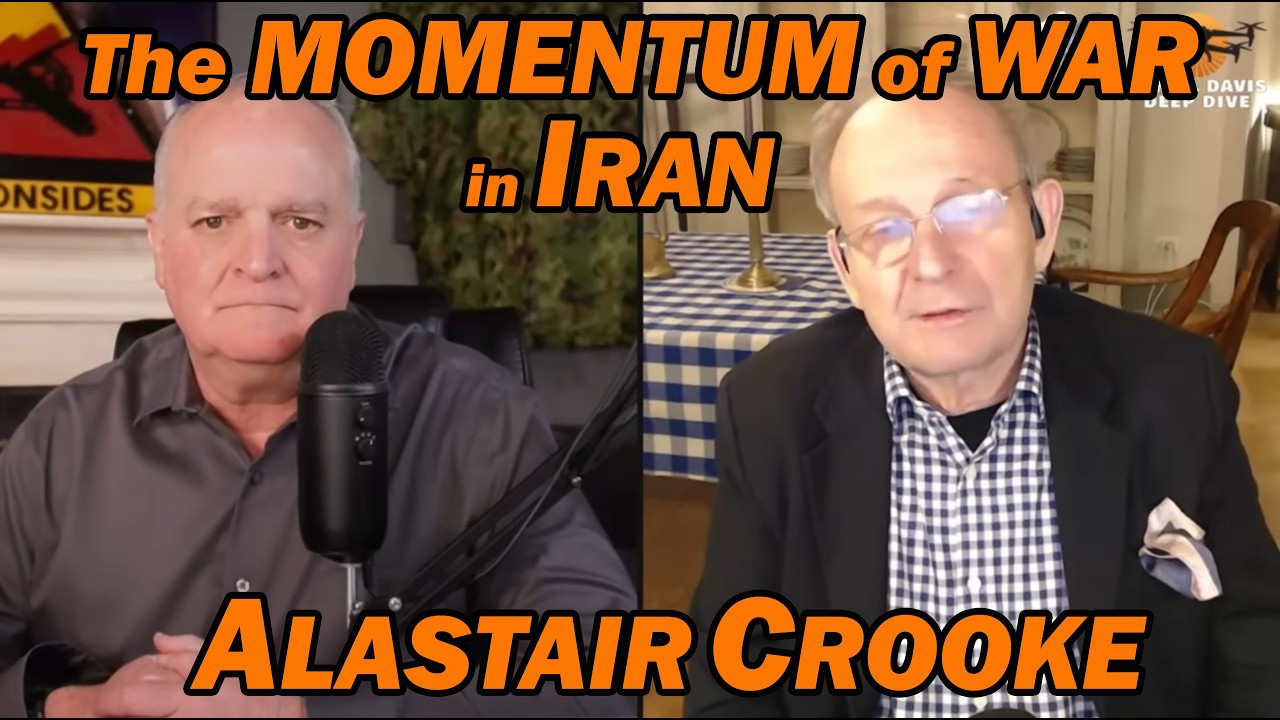
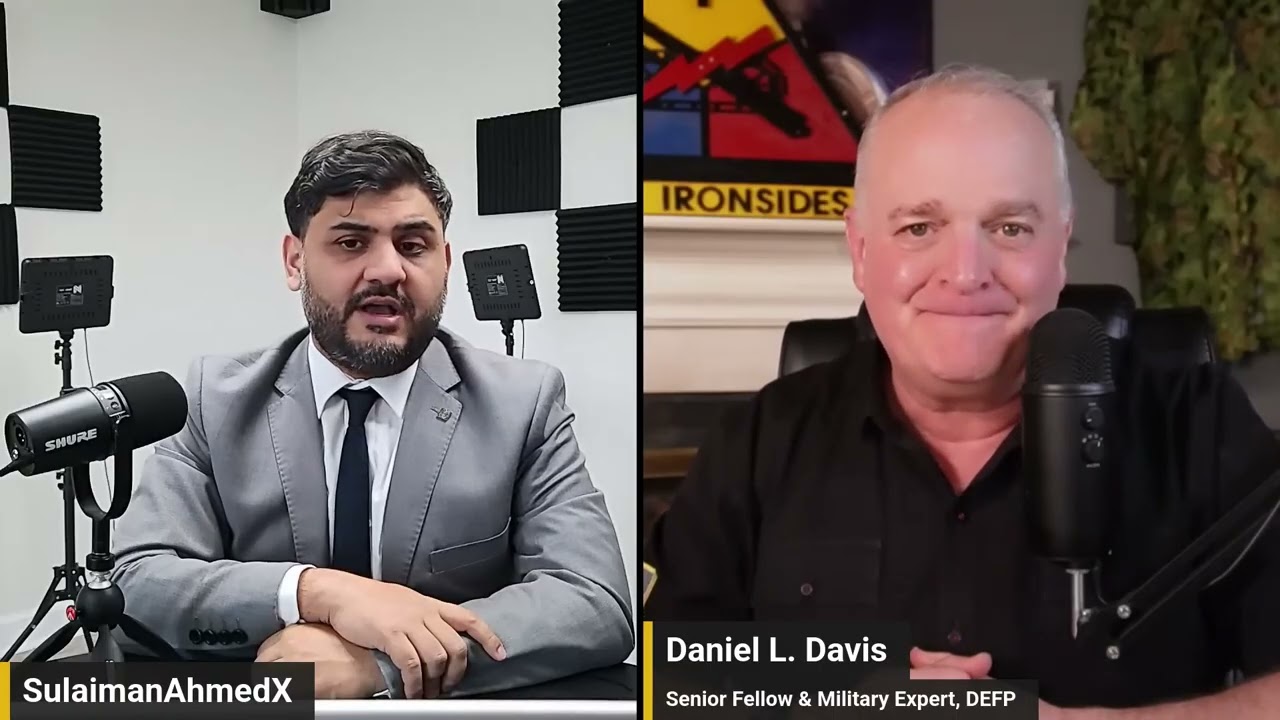
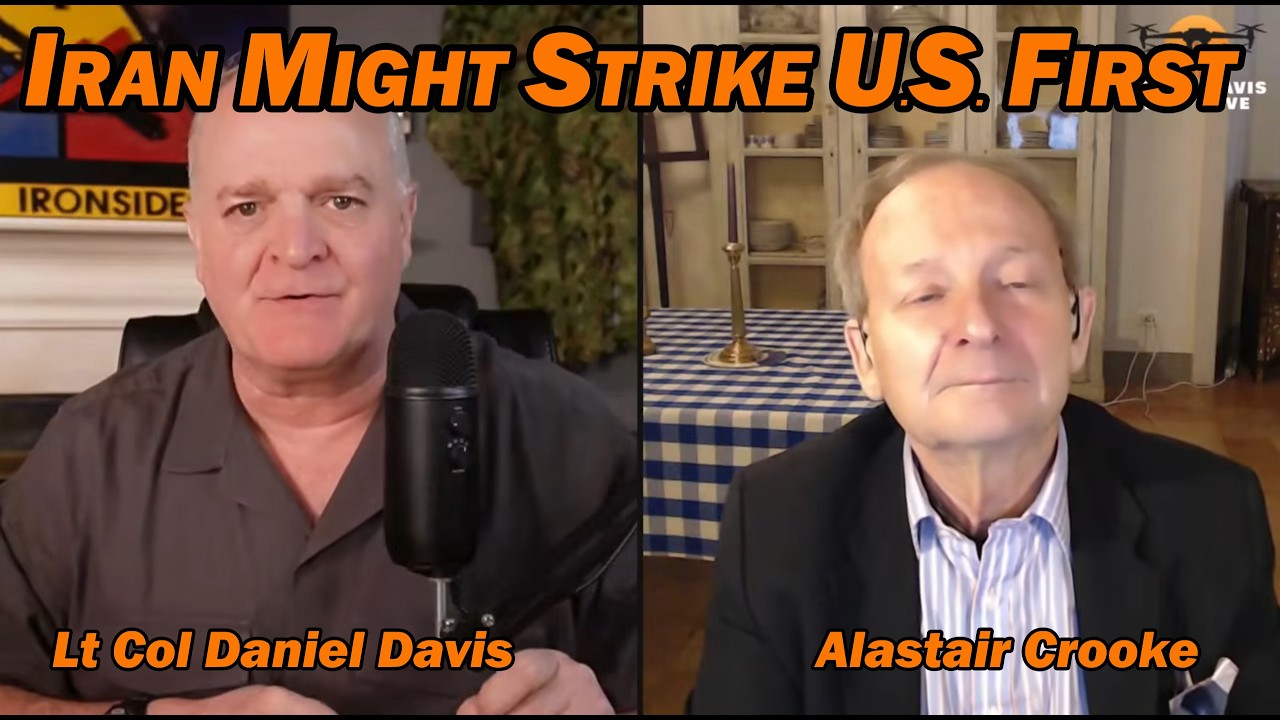
Iran Might Strike U.S. First! /Alastair Crooke & Lt Col Daniel Davis
Posted
February 27, 2026
Views
71,145
Likes
2,468
Comments
541
Engagement
February 27, 2026
71,145
2,468
541
4.23%
Every word spoken in this episode is indexed. Type any phrase to jump straight to the moment it was said.
Type any word or phrase that may have been spoken. Click a result to seek the player to that exact moment.
Try a name, a topic, or a quoted line
 14:48Now Playing
** NEW MERCH ** Jackets & Sweatshirts, Thermo Mugs!!
Daniel Davis Deep Dive Merch: Etsy store
Alastair Crooke argues that China is significantly enhancing Iran’s military capabilities, including providing advanced data-link and intelligence systems similar to those used effectively by Pakistan against India. China is also said to be supplying satellite intelligence and operating an intelligence-gathering ship in the Gulf capable of signal interception and undersea mapping. Publicly released satellite imagery of U.S. aircraft is described as a deliberate signal that China (and therefore Iran) would detect preparations for any U.S. attack in advance.
The claim is that Iran would likely respond immediately upon detecting attack preparations, not after being struck. With many U.S. bases in the region already within range of Iranian short-range ballistic missiles (as highlighted by the Institute for the Study of War), retaliation could begin quickly and escalate.
The speaker argues that any so-called “limited strike” would be impossible because Iran has clearly stated it would treat even a single attack as the start of full-scale war—targeting U.S. bases, Israel, and regional economic infrastructure. Conflict could widen to include attacks from Iraq, Yemen, Lebanon, and other areas.
Despite comments from JD Vance suggesting the U.S. would avoid a prolonged war, the speaker contends that Iran assumes U.S. air campaigns would only last a few days and is prepared for long-term attrition. Iran’s size, dispersed underground missile facilities, and decentralized command structure are described as making quick victory unlikely. The example of the 2006 Israel–Hezbollah war is cited to argue that short-war expectations often fail.
Finally, the idea promoted by Ted Cruz—arming Iranian protesters to topple the regime—is dismissed as unrealistic. The speaker argues prior unrest did not collapse the state and that expectations of rapid regime change underestimate Iran’s resilience.
Overall, the central argument is that any U.S. strike risks triggering a broad, prolonged regional war rather than a contained military action.
Sentinel Indexing in Progress
Metadata and chapters are available. Claim extraction for this episode is pending.
All video content is delivered via YouTube embedded players in accordance with the YouTube Terms of Service. Sentinel provides research tools that promote discovery and accountability across political media.