Elan Show
@elanshowofficial·28.6K subscribers·316 videos
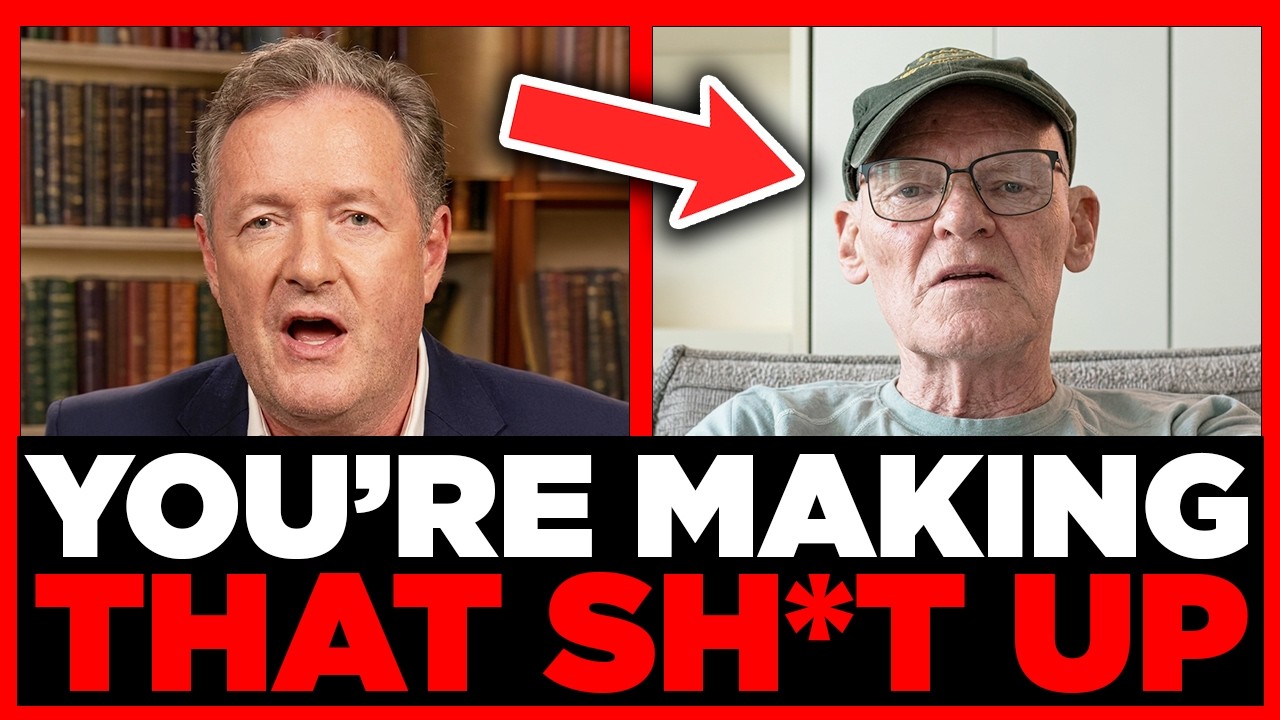
James Carville ROASTS MAGA Pundit Clay Travis Over ICE Facts on Piers Morgan Uncensored
Posted
March 12, 2026
Views
4,993
Likes
290
Comments
41
Engagement
March 12, 2026
4,993
290
41
6.63%
Every word spoken in this episode is indexed. Type any phrase to jump straight to the moment it was said.
Type any word or phrase that may have been spoken. Click a result to seek the player to that exact moment.
Try a name, a topic, or a quoted line
 18:25Now Playing
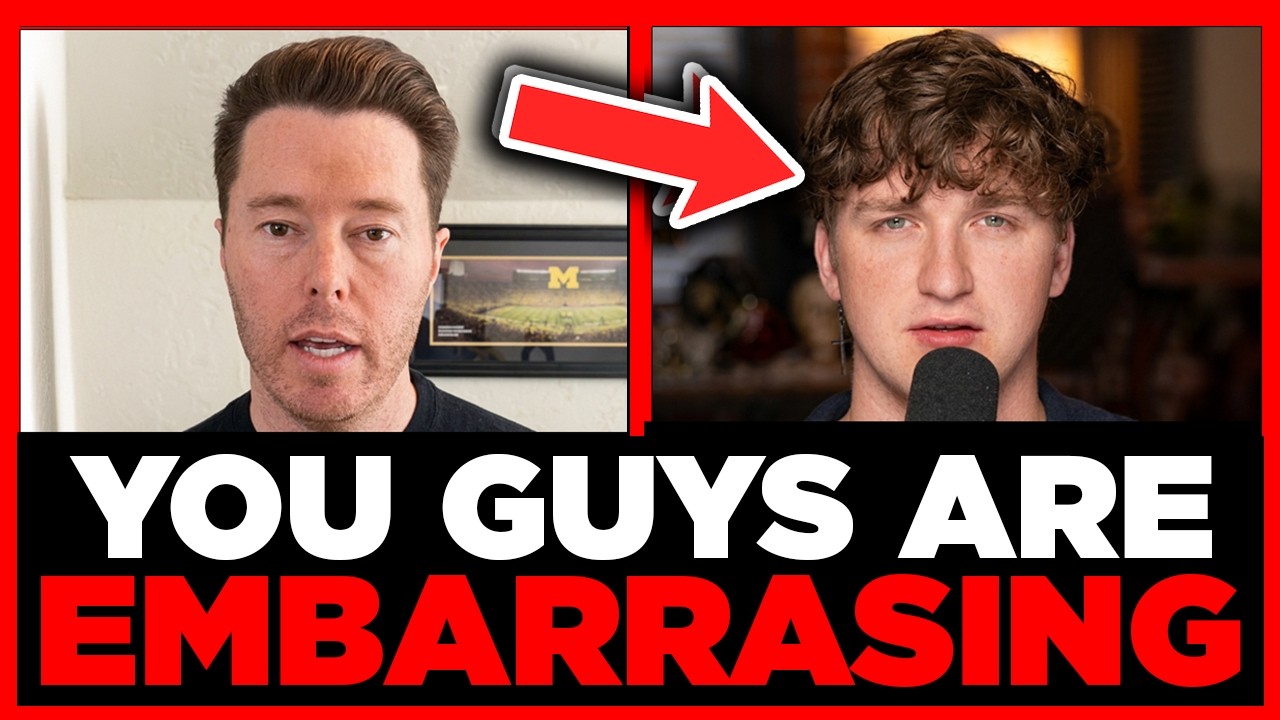
In this explosive panel discussion from Piers Morgan Uncensored, host Piers Morgan brings together political heavyweights Cenk Uygur (founder of The Young Turks), Clay Travis (conservative commentator and OutKick CEO), James Carville (legendary Democratic strategist), and Rob O'Neal (former Navy SEAL who killed Osama bin Laden) to debate one of the most controversial topics dominating American politics: ICE enforcement shootings and the conservative movement's shifting stance on gun rights.
The debate centers on two fatal shootings by ICE agents during immigration enforcement operations in Minneapolis—the deaths of Renee Good and Alex Pretti. What makes this discussion particularly explosive is the apparent hypocrisy emerging from conservative circles who spent decades defending Second Amendment rights, only to now criticize protesters for legally carrying firearms.
Piers Morgan opens by highlighting how conservative opinion is beginning to pivot on the Alex Pretti shooting. Video evidence shows ICE agents removing Pretti's legally owned firearm from his waist before shooting him—a sequence of events that even some conservatives are finding impossible to defend. Clay Travis attempts to justify the shooting by suggesting Pretti's weapon may have accidentally discharged, creating panic among agents. However, Piers systematically dismantles this argument by pointing out that Renee Good was unarmed and still killed, exposing the fatal flaw in Travis's logic.
The Kyle Rittenhouse comparison becomes a central theme. Cenk Uygur and Piers Morgan both call out the double standard: conservatives raised money for and defended Rittenhouse, a teenager who took an AR-15 to a protest, yet now condemn Alex Pretti, a nurse who treated veterans, for legally carrying a firearm. Clay Travis struggles to provide a coherent explanation, eventually admitting he wouldn't advise his own children to carry guns to protests—directly contradicting years of conservative pro-gun messaging.
James Carville delivers perhaps the most memorable moment of the debate, invoking Dante's Inferno: "Abandon all hope, you're going to get beat so bad in November." He predicts Democrats will pick up six to seven Senate seats, arguing that the American people are watching federal agents kill both armed and unarmed protesters and they overwhelmingly disapprove. Carville's key point: exercising poor judgment—like parking illegally or speeding—shouldn't result in being shot by federal agents. He characterizes ICE agents as "undertrained, not particularly qualified people with badges and guns."
Rob O'Neal, the Navy SEAL with extensive combat experience, provides a powerful perspective from someone who has actually been in life-or-death situations. He states he's "absolutely appalled that law enforcement is killing Americans on American soil" and explains that introducing yourself into an arrest situation while armed escalates force—but emphasizes that neither Renee Good nor Alex Pretti deserved to die.
The conversation also touches on Donald Trump's controversial comments about NATO forces in Afghanistan, where he claimed allied troops "stayed a little back, little off the front lines." Piers brings on his own brother, Jeremy Morgan, a retired British Army colonel who served three tours in Afghanistan, to refute these claims. The colonel explains there was no "front line" in Afghanistan—it was 360-degree asymmetric warfare where anyone could be attacked anywhere. He calls on Trump to apologize for his "ignorant and offensive" comments about fallen NATO soldiers.
Throughout the debate, key themes emerge: the weaponization of immigration enforcement, the normalization of federal violence against American citizens, the erosion of both First and Second Amendment rights, and the electoral consequences Republicans may face in the 2026 midterms. Cenk Uygur argues that ICE's aggressive tactics are designed to divide Americans and distract from economic issues, while polling data shows over 60% of Americans—and 70% of independents—believe ICE has gone too far.
⭐️Fair Use Disclaimer:
This video may contain copyrighted material the use of which has not always been specifically authorized by the copyright owner. We are making such material available for purposes of criticism, comment, news reporting, teaching, scholarship, or research. We believe this constitutes a 'fair use' of any such copyrighted material as provided for in section 107 of the US Copyright Law.
Content Context: The videos on this channel may explore unverified information or theories gathered from public sources and media reports. They are intended for educational and informational purposes only and should not be interpreted as confirmed facts.
Intent: Elan Show does not seek to discredit or defame any individuals, organizations, or groups. The goal is to promote thoughtful dialogue and critical analysis.
Sentinel Indexing in Progress
Metadata and chapters are available. Claim extraction for this episode is pending.
All video content is delivered via YouTube embedded players in accordance with the YouTube Terms of Service. Sentinel provides research tools that promote discovery and accountability across political media.