Elan Show
@elanshowofficial·28.6K subscribers·316 videos
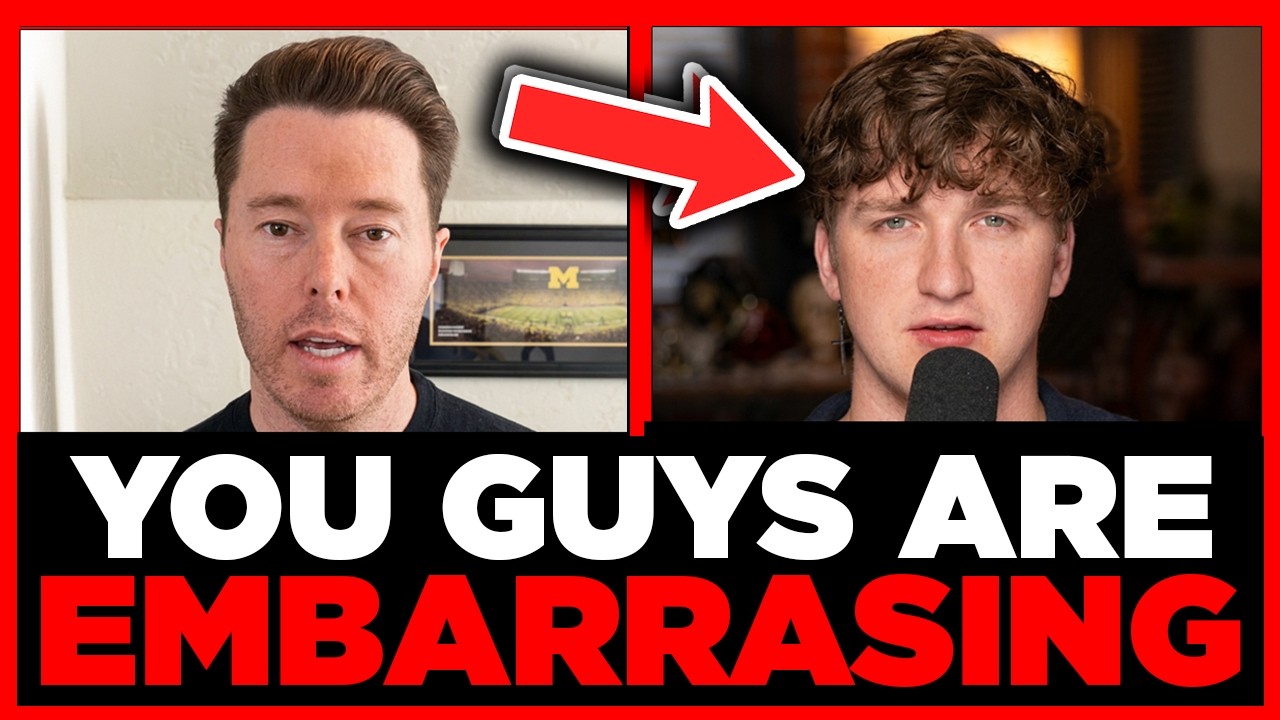
MAGA Supporter Kari Lake STUTTERS When Asked for ONE Criticism LIVE on Piers Morgan Uncensored
Posted
March 21, 2026
Views
36,147
Likes
636
Comments
153
Engagement
March 21, 2026
36,147
636
153
2.18%
Every word spoken in this episode is indexed. Type any phrase to jump straight to the moment it was said.
Type any word or phrase that may have been spoken. Click a result to seek the player to that exact moment.
Try a name, a topic, or a quoted line
 16:32Now Playing
In this explosive episode of Piers Morgan Uncensored, a heated panel debate erupts over the first 100 days of the administration. Piers Morgan brings together Tim Pool, Carrie Lake, Cenk Uygur, Batya Ungar-Sargon, and Congressman Shri Thanedar to grade the performance and discuss everything from tariffs to impeachment articles.
The most jaw-dropping moment comes when Piers Morgan directly asks Carrie Lake to name just ONE criticism of the first 100 days. Her response—or lack thereof—has become one of the most talked-about clips from this debate. When pressed twice, she admits she "really can't see any criticism," exposing what many see as blind partisan loyalty versus honest political analysis.
Tim Pool opens the discussion by admitting his own bias, confessing that he judges the administration by different moral standards than he would a Democratic president. This candid admission sets the tone for a debate that explores not just policy, but the double standards and partisan divides that define modern American politics.
Cenk Uygur delivers a comprehensive breakdown of why he believes the administration has fumbled its early momentum. He references polling data showing that 52% of Americans view the administration as authoritarian, including a shocking 17% of Republicans. Even more striking, Cenk lists major conservative voices—Tucker Carlson, Candace Owens, Patrick Bet-David, Dave Portnoy, Joe Rogan, and Alex Jones—who have publicly raised concerns about constitutional overreach and economic chaos.
The tariff strategy becomes a central flashpoint in the debate. While Carrie Lake and Batya Ungar-Sargon defend it as necessary economic warfare to restore American manufacturing and working-class prosperity, critics point to market instability, approval rating drops, and concerns that price increases will hurt the very voters who supported these policies. Batya argues that Wall Street opposition proves the strategy prioritizes Main Street over elite interests, while Cenk counters that working-class Americans will bear the brunt of consumer price hikes.
Congressman Thanedar introduces articles of impeachment, citing tariff overreach, defiance of Supreme Court rulings, and violations of due process. The panel sharply divides over whether these concerns are legitimate constitutional issues or partisan theater. The discussion touches on the Garcia deportation case, Supreme Court authority, and whether this administration has crossed lines that previous ones respected.
Polling becomes a major point of contention. Piers Morgan notes that approval ratings peaked at 52% but have since dropped to 44%—an extremely rapid fall linked directly to economic anxiety. Carrie Lake dismisses all polling as "bogus," while Cenk points out that conservatives believed in polls when the numbers were favorable just weeks earlier.
The immigration debate reveals interesting contradictions. While there's widespread acknowledgment that border crossings have decreased by approximately 95%, questions arise about due process, American citizens caught in deportation sweeps, and whether constitutional safeguards are being properly maintained.
Batya Ungar-Sargon makes a compelling case that this represents a fundamental realignment—the first time in modern history that an American president has chosen working-class prosperity over Wall Street interests. She argues that elite fury, from both left and right, proves the strategy is working. Critics respond that good intentions don't excuse constitutional violations or economic mismanagement.
The debate also explores media bias, with multiple panelists calling out mainstream outlets for either over-covering minor scandals or under-covering genuine accomplishments. The question of whether the press applies equal scrutiny to both parties remains unresolved but hotly contested.
This debate captures the essential tensions of our political moment: partisanship versus principle, economic nationalism versus global markets, constitutional limits versus executive power, and whether political loyalty should ever mean refusing to acknowledge any flaws whatsoever.
⭐️Fair Use Disclaimer:
This video may contain copyrighted material the use of which has not always been specifically authorized by the copyright owner. We are making such material available for purposes of criticism, comment, news reporting, teaching, scholarship, or research. We believe this constitutes a 'fair use' of any such copyrighted material as provided for in section 107 of the US Copyright Law.
Content Context: The videos on this channel may explore unverified information or theories gathered from public sources and media reports. They are intended for educational and informational purposes only and should not be interpreted as confirmed facts.
Intent: Elan Show does not seek to discredit or defame any individuals, organizations, or groups. The goal is to promote thoughtful dialogue and critical analysis.
Sentinel Indexing in Progress
Metadata and chapters are available. Claim extraction for this episode is pending.
All video content is delivered via YouTube embedded players in accordance with the YouTube Terms of Service. Sentinel provides research tools that promote discovery and accountability across political media.