Elan Show
@elanshowofficial·28.6K subscribers·316 videos
John Fugelsang SHUTS DOWN MAGA Panelist Defending the Iran War
Posted
June 18, 2026
Views
6,443
Likes
292
Comments
29
Engagement
4.98%
June 18, 2026
6,443
292
29
4.98%
Every word spoken in this episode is indexed. Type any phrase to jump straight to the moment it was said.
Type any word or phrase that may have been spoken. Click a result to seek the player to that exact moment.
Try a name, a topic, or a quoted line
 13:20Now Playing
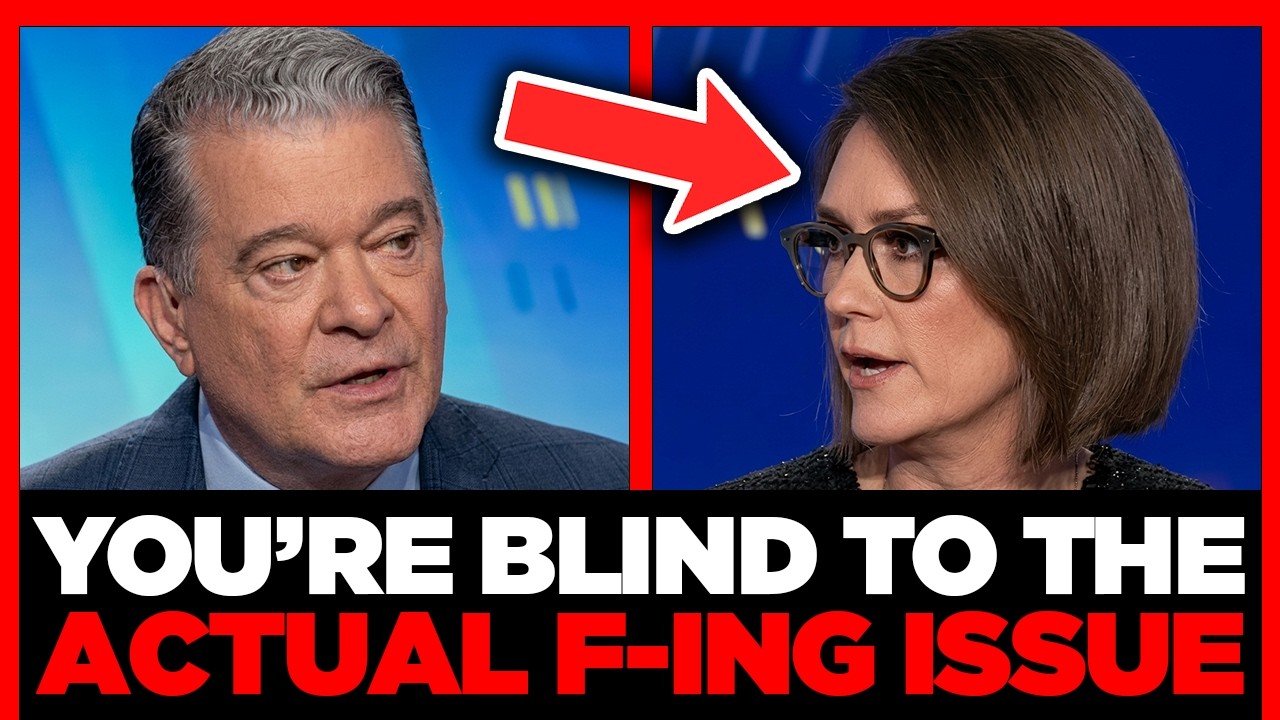
On this episode, a primetime cable news panel turns into a heated debate over the United States military conflict with Iran, and the disagreement gets intense fast. Hosted by Abby Phillip, the roundtable brings together sharply opposing voices, with comedian and commentator John Fugelsang taking the anti-war position against panelists defending the administration's decision to strike Iranian nuclear facilities. If you follow political debate content, war powers discussions, and cable news panel arguments, this breakdown walks through every major clash point.
The conversation opens with a clip from a congressional hearing where the Defense Secretary questions the patriotism of lawmakers who criticize the war, accusing critics of handing propaganda to enemies and staining the troops. That sets up the central question the panel wrestles with: is it unpatriotic to ask questions about a war, or is asking questions the most patriotic thing a citizen can do? Geraldo Rivera weighs in on the constitutional tension between a commander-in-chief's authority and Congress's power to declare war, while the panel debates whether labeling critics as disloyal is a smart political strategy or a sign of weakness.
The discussion then turns to polling. New numbers show the Iran conflict is now as unpopular as the wars in Vietnam and Iraq, with only about 25 percent of Americans saying it is worth it and fewer than 60 percent of Republicans agreeing. Panelists discuss rising gas prices, the lack of a clearly defined mission, and growing discomfort among independents who want to know when and how the conflict ends. One panelist counters with a separate poll showing strong Republican support for the strike, arguing the base still backs the decision.
The most explosive moment comes when John Fugelsang argues that this conflict, like the war in Iraq, was built on lies. He points to the previously functioning international nuclear agreement, the years of military verification confirming Iranian compliance, and the decision to tear up that deal. His core argument: if the same officials who scrapped the agreement now insist a war is needed to stop a nuclear weapon, they are effectively asking the public to believe their own intelligence community was lying for years. He also cites sworn congressional testimony from the Director of National Intelligence stating there was no effort to reconstitute a nuclear program after earlier strikes.
From there the debate widens into a bigger question about democracy, transparency, and accountability: does a president get to say whatever he wants while the public is simply told to trust him? Fugelsang and others argue the American people deserve evidence, proof, and an explanation before taxpayer dollars fund military action, invoking free speech, oversight, and the right to petition the government. The segment closes with a memorable exchange about who is actually qualified to oversee national defense.
This video unpacks the strongest arguments on both sides, the history behind US involvement in the Middle East, the role of the War Powers framework, and why public trust in wartime leadership keeps eroding. Whether you lean toward skepticism of foreign intervention or believe decisive military action was justified, the arguments here are worth thinking through carefully.
What do you think? Was the panel right to question the war, or is criticism during an active conflict irresponsible? Should the public demand hard evidence before military strikes, or trust the intelligence assessments of elected leadership? Drop your thoughts in the comments below, share this video with someone who loves a good political debate, and let us know where in the world you are watching from. Your perspective helps drive the conversation, so do not hold back.
Like, subscribe, and turn on notifications for more cable news debate breakdowns, political panel reactions, and analysis of the biggest arguments shaping the national conversation.
⭐️Fair Use Disclaimer:
This video may contain copyrighted material the use of which has not always been specifically authorized by the copyright owner. We are making such material available for purposes of criticism, comment, news reporting, teaching, scholarship, or research. We believe this constitutes a 'fair use' of any such copyrighted material as provided for in section 107 of the US Copyright Law.
Content Context: The videos on this channel may explore unverified information or theories gathered from public sources and media reports. They are intended for educational and informational purposes only and should not be interpreted as confirmed facts.
Intent: Elan Show does not seek to discredit or defame any individuals, organizations, or groups. The goal is to promote thoughtful dialogue and critical analysis.
Sentinel Indexing in Progress
Metadata and chapters are available. Claim extraction for this episode is pending.
All video content is delivered via YouTube embedded players in accordance with the YouTube Terms of Service. Sentinel provides research tools that promote discovery and accountability across political media.