Elan Show
@elanshowofficial·28.6K subscribers·316 videos
Yanis Varoufakis EXPOSES the Nuclear Double Standard Piers Morgan Couldn't Deny
Posted
June 18, 2026
Views
8,906
Likes
166
Comments
41
Engagement
2.32%
June 18, 2026
8,906
166
41
2.32%
Every word spoken in this episode is indexed. Type any phrase to jump straight to the moment it was said.
Type any word or phrase that may have been spoken. Click a result to seek the player to that exact moment.
Try a name, a topic, or a quoted line
 15:39Now Playing
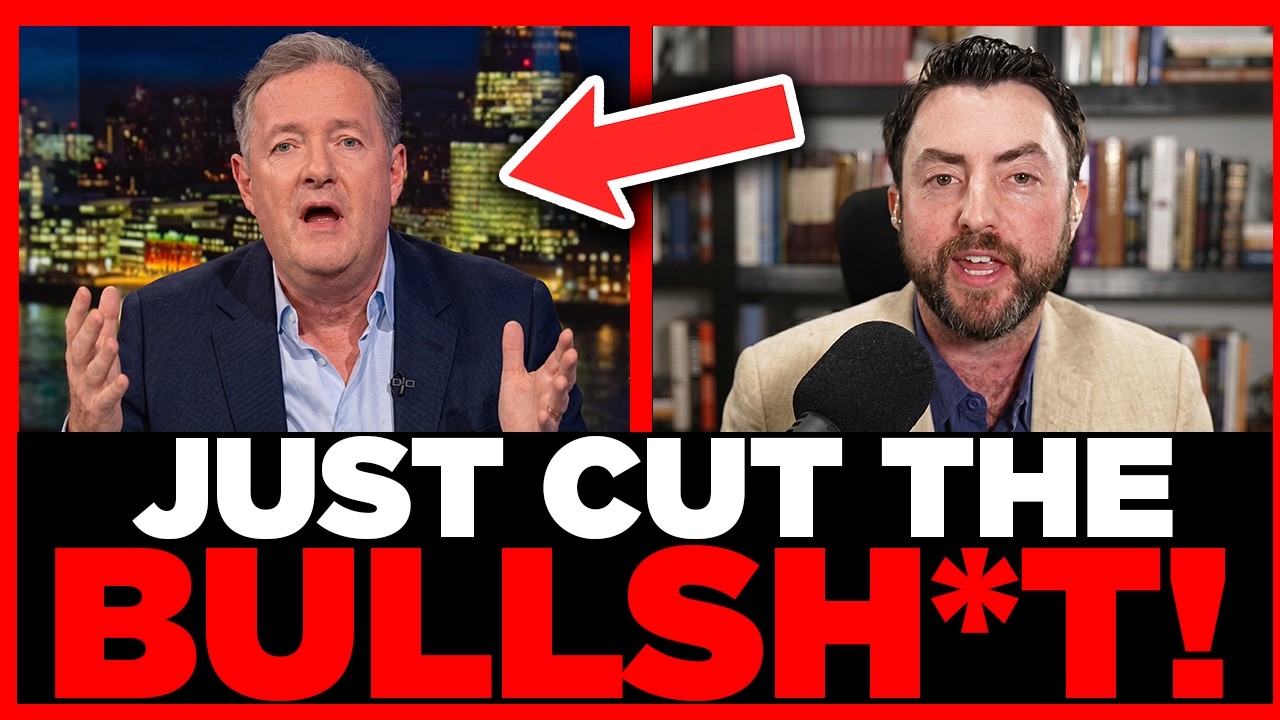
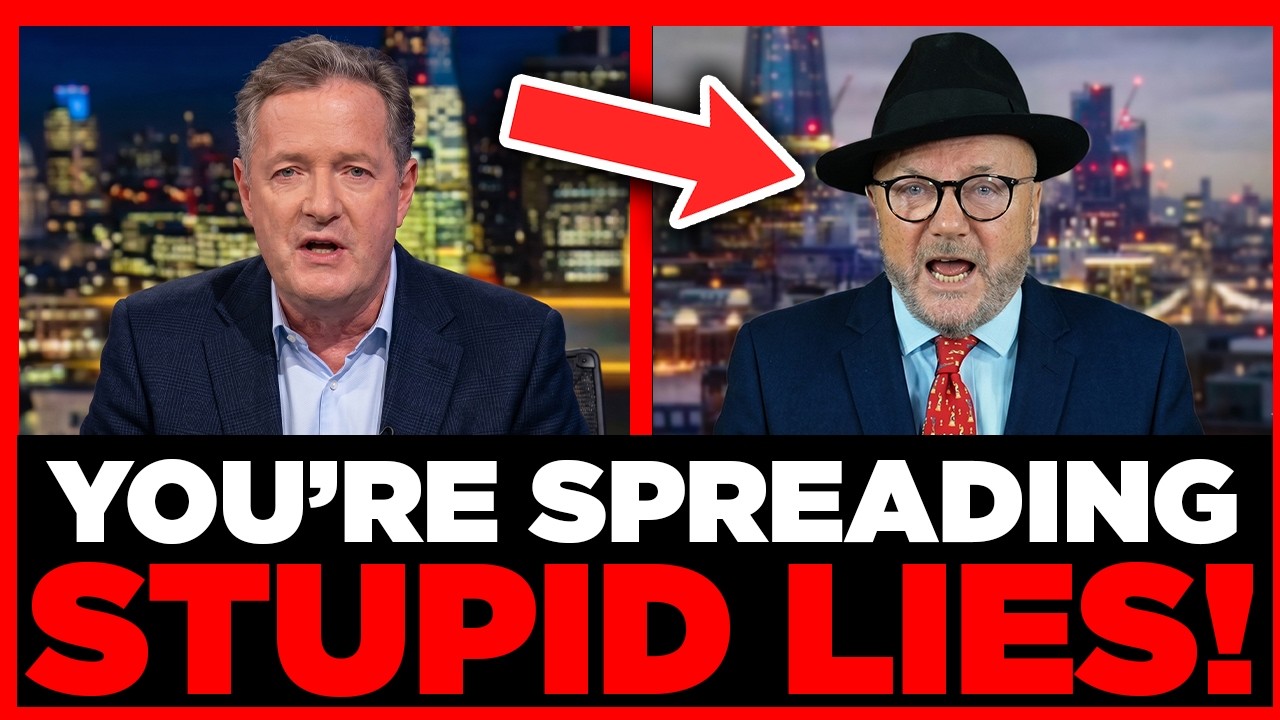
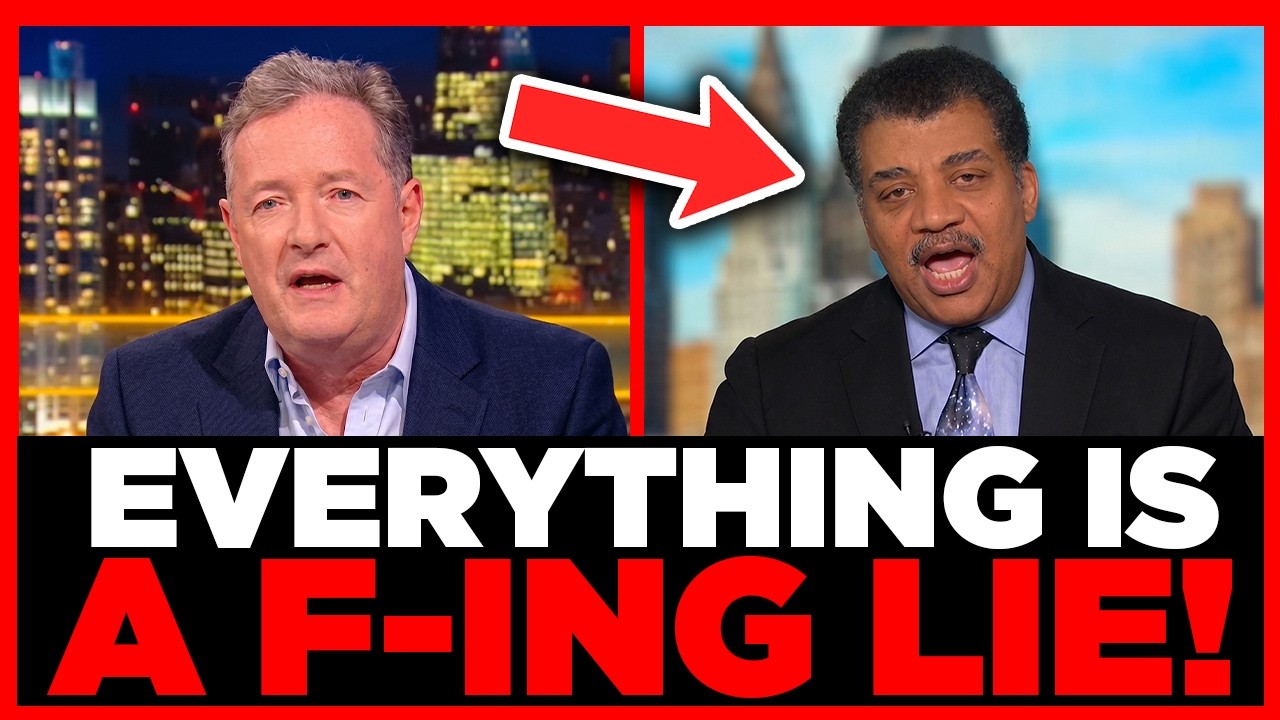
In this powerful exchange on Piers Morgan Uncensored, former Greek finance minister and economics professor Yanis Varoufakis sits down for one of the most intense geopolitical debates the show has ever featured. Piers poses three direct questions that many viewers have been asking about the ongoing conflict in the Middle East, and Yanis responds with a level of historical depth and moral clarity that leaves very little room for rebuttal.
The conversation begins with a seemingly simple question. Is the removal of a major political leader through foreign military action a good thing for the people of that nation? Yanis argues that it is not, drawing from his own personal experience growing up under a right-wing military dictatorship in Greece. He explains how his father was taken by the secret police, how his uncle was court-martialed, and how people he knew personally were tortured by the regime. Despite hating that government, he explains that if any foreign power had bombed his country and killed its leader, even one he despised, the result would have been a wave of national unity behind the very regime the people opposed. He argues the same dynamic played out in Iran, where internal opposition was undermined the moment foreign bombs started falling.
Piers then raises the question of nuclear weapons and whether a theocratic government should be trusted with the capacity to develop them. Yanis responds by pointing out that he has always opposed nuclear weapons across the board, but highlights what he sees as a glaring double standard. He references a country in the same region that has violated every nuclear nonproliferation treaty in existence, possesses an undisclosed arsenal, and faces zero international pressure. Piers himself acknowledges this point on air. Yanis then recalls a personal conversation he had in the White House where a former world leader expressed pride in a diplomatic agreement that included full inspection access, international monitoring, and verification systems. He argues that agreement was dismantled not because it failed, but for political reasons, and that the best possible outcome now would be returning to the very same framework that was destroyed.
The discussion then shifts to the question of who the real aggressors are in the region. Yanis makes the case that Iran has never invaded any of its neighbors, while it was itself invaded in a devastating war that cost hundreds of thousands of lives and involved the use of chemical weapons with Western complicity. He challenges the use of the word terrorist by citing historical examples including Nelson Mandela, who was placed on a terrorism watch list by the United States until 2008 and was called a terrorist by Margaret Thatcher before becoming one of the most celebrated leaders in modern history. He argues the label is a political tool that shifts based on power dynamics rather than a fixed moral category.
The final segment covers the humanitarian situation in the region, with Yanis describing a territory not as a sovereign nation but as an open air detention zone where one side controls borders, airspace, water, and electricity while the other side cannot leave. He draws a parallel with the conflict in Ukraine, arguing that international law must be applied universally and not selectively depending on geopolitical alliances. When Piers asks whether it is essential for certain powers to win the conflict, Yanis calls it an unlawful war and argues that rooting for the side that violated international law is fundamentally incompatible with the principles of the rules-based order.
This is one of the most historically grounded and intellectually rigorous debates featured on Piers Morgan Uncensored. Whether you agree with Yanis Varoufakis or not, his arguments demand serious engagement. Let us know your thoughts in the comments below. Do you think international law is being applied equally across the board? Do you agree with how Yanis reframed the conversation around the word terrorist? Drop your perspective and let us have a real discussion.
⭐️Fair Use Disclaimer:
This video may contain copyrighted material the use of which has not always been specifically authorized by the copyright owner. We are making such material available for purposes of criticism, comment, news reporting, teaching, scholarship, or research. We believe this constitutes a 'fair use' of any such copyrighted material as provided for in section 107 of the US Copyright Law.
Content Context: The videos on this channel may explore unverified information or theories gathered from public sources and media reports. They are intended for educational and informational purposes only and should not be interpreted as confirmed facts.
Intent: Elan Show does not seek to discredit or defame any individuals, organizations, or groups. The goal is to promote thoughtful dialogue and critical analysis.
Sentinel Indexing in Progress
Metadata and chapters are available. Claim extraction for this episode is pending.
All video content is delivered via YouTube embedded players in accordance with the YouTube Terms of Service. Sentinel provides research tools that promote discovery and accountability across political media.