Elan Show
@elanshowofficial·28.6K subscribers·316 videos
Abby Phillip SHREDS MAGA Pundit's Defense in BRUTAL CNN Debate
Posted
July 31, 2026
Views
602
Likes
41
Comments
3
Engagement
7.31%
July 31, 2026
602
41
3
7.31%
Every word spoken in this episode is indexed. Type any phrase to jump straight to the moment it was said.
Type any word or phrase that may have been spoken. Click a result to seek the player to that exact moment.
Try a name, a topic, or a quoted line
 18:07Now Playing
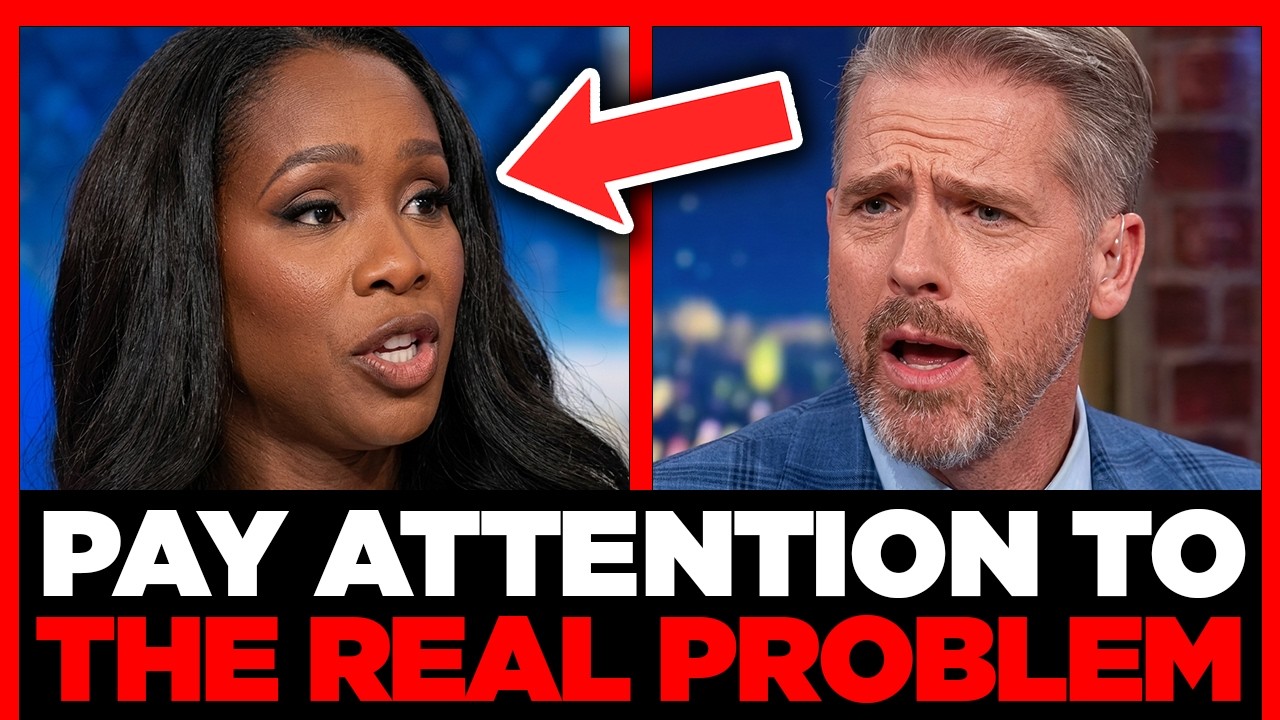
A CNN NewsNight panel discussion completely unravels the moment one simple question gets asked, and nobody at the table has an answer.
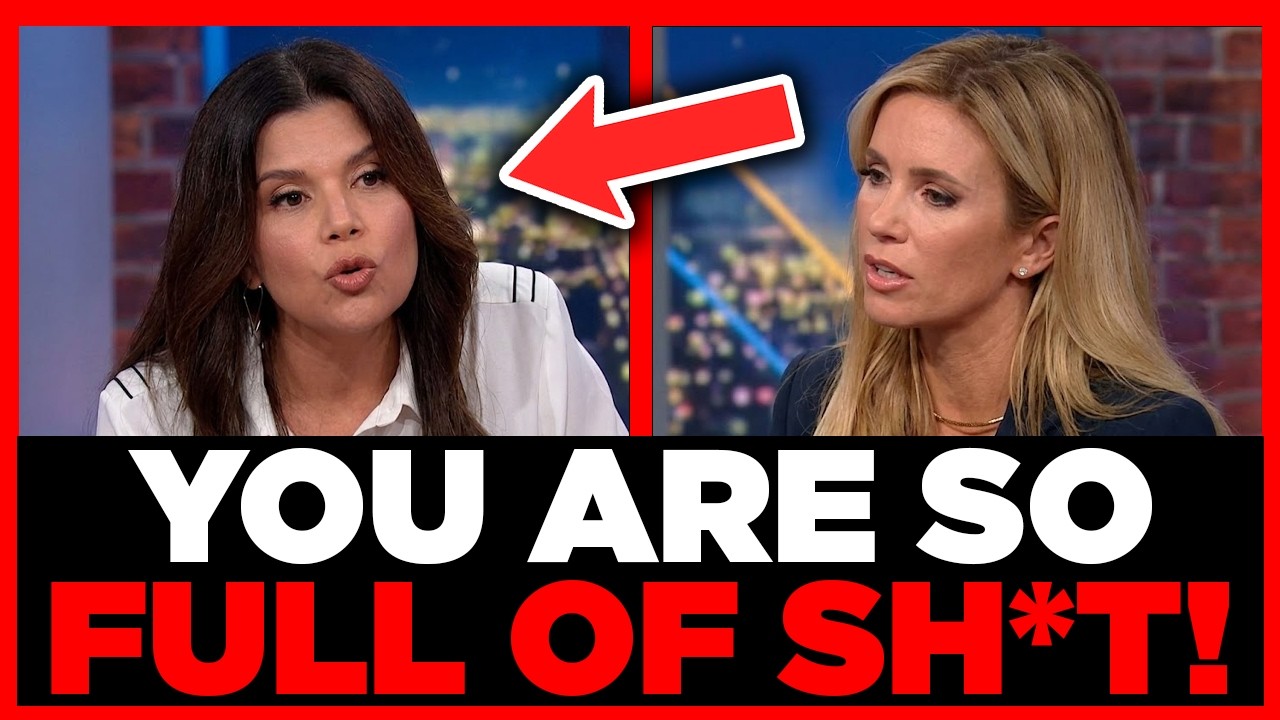
In this segment, Abby Phillip moderates a heated roundtable debate about the ongoing conflict involving Iran, the Strait of Hormuz, and the American military commitment that has now stretched past the five month mark. What starts as a routine political panel about midterm election pressure turns into something far more revealing, as conservative and liberal panelists clash over whether this war has any definable objective at all.
The debate opens with a denial that the upcoming midterm elections factor into military decision making. Keith immediately pushes back, arguing that political calculation has been present from the very beginning. He then lays out the origin of the decision itself, describing a situation room meeting at the White House and the claim that Pentagon officials warned that Iran would attempt to close the Strait of Hormuz. According to Keith, those warnings were ignored, and Republican leaders in Congress are now privately raising alarms about the political cost heading into November.
What follows is one of the more striking moments of the segment. A clip from Fox News is played on air, in which the network's own commentary acknowledges that the war is already unpopular, that Republicans are nervous, and that there is no clear path to an ending. The panel then moves into a discussion of shifting targets, Pickaxe Mountain, and reporting from CNN and the Wall Street Journal about where nuclear material may now be stored.
Margaret Donovan delivers a sharp observation that goes unanswered by the conservative side, questioning the strategic wisdom of announcing targets publicly before any strike occurs. The conversation then turns economic. Scott defends the administration's justification for the conflict, but when pressed on what the actual imminent threat was, he hedges with a phrase that becomes one of the most quoted moments of the exchange.
Abby Phillip refuses to let a talking point pass unchallenged, pointing out that gas prices remain significantly elevated compared to the day before the conflict began, directly countering the argument that record stock market highs prove there has been no economic impact. Tara Setmayer adds the affordability dimension, noting how the pocketbook crisis has been publicly dismissed, and citing Fox News polling showing overwhelming negative sentiment about the economy.
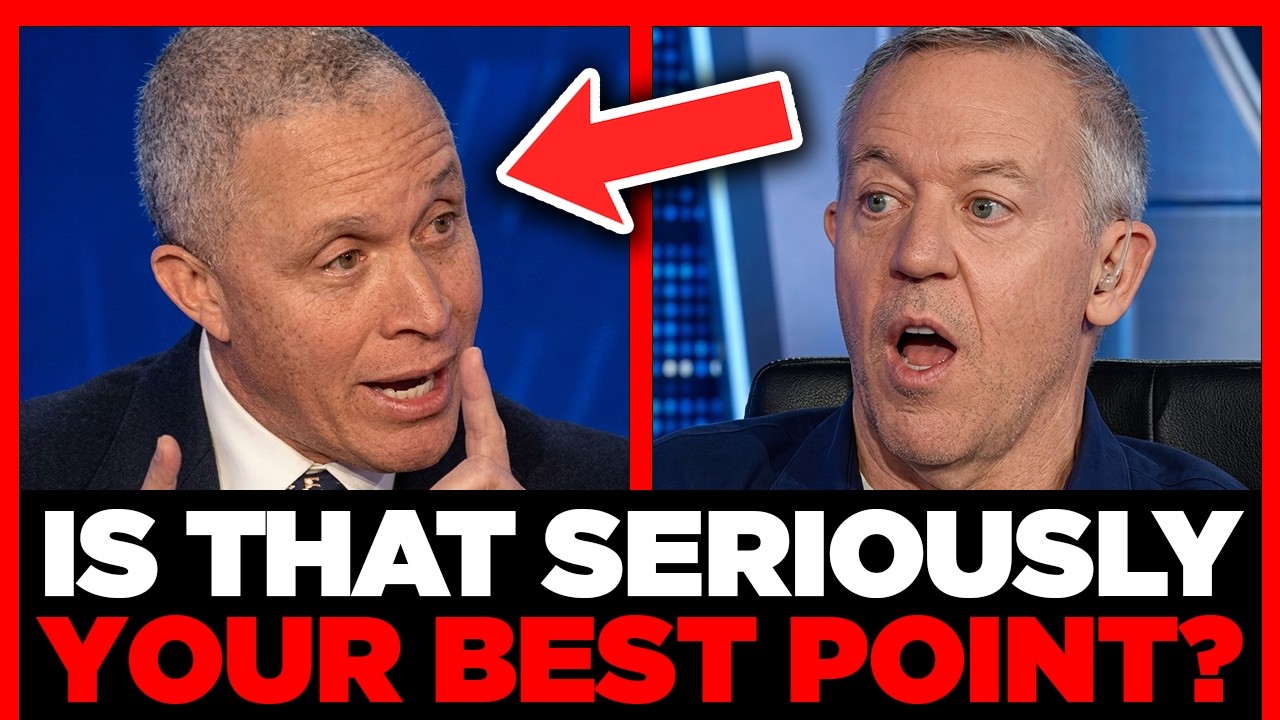
The segment reaches its peak when Geraldo Rivera asks the most fundamental question available about any military engagement. What does victory actually consist of. The two word response that follows says everything. Geraldo then attempts to define it himself and lands on a scenario that has no achievable endpoint, which the panel recognizes in real time. Tara Setmayer closes with a blunt assessment of the decision making process behind the entire conflict, listing the questions that a serious government answers before a first strike rather than five months into a war.
This reaction breaks down the strongest arguments from both directions, adds historical context around the Strait of Hormuz and the tanker war escorts of the late nineteen eighties under Operation Earnest Will, and examines why a conflict with no defined victory condition becomes almost impossible to exit.
Topics covered include the Strait of Hormuz shipping crisis, midterm election politics, gas prices and inflation, the difference between stock market performance and household affordability, war powers and congressional authorization, the credibility of intelligence justifications, and the broader question of American foreign policy strategy in the region.
Whether you lean liberal, conservative, or somewhere in between, this panel captures something real about where public opinion currently sits on this conflict.
What do you think? Was the question about victory a fair one, or was it a gotcha? Do you believe the economic argument or the market argument better reflects what families are actually experiencing right now? Should Congress have a larger role in authorizing continued military engagement? Drop your take in the comments below, because the discussion in the comment section is genuinely one of the best parts of this channel.
If you found this breakdown useful, a like and a subscribe helps more than you know, and share it with someone who has been arguing about this exact topic.
Sentinel Indexing in Progress
Metadata and chapters are available. Claim extraction for this episode is pending.
All video content is delivered via YouTube embedded players in accordance with the YouTube Terms of Service. Sentinel provides research tools that promote discovery and accountability across political media.