Elan Show
@elanshowofficial·28.6K subscribers·316 videos
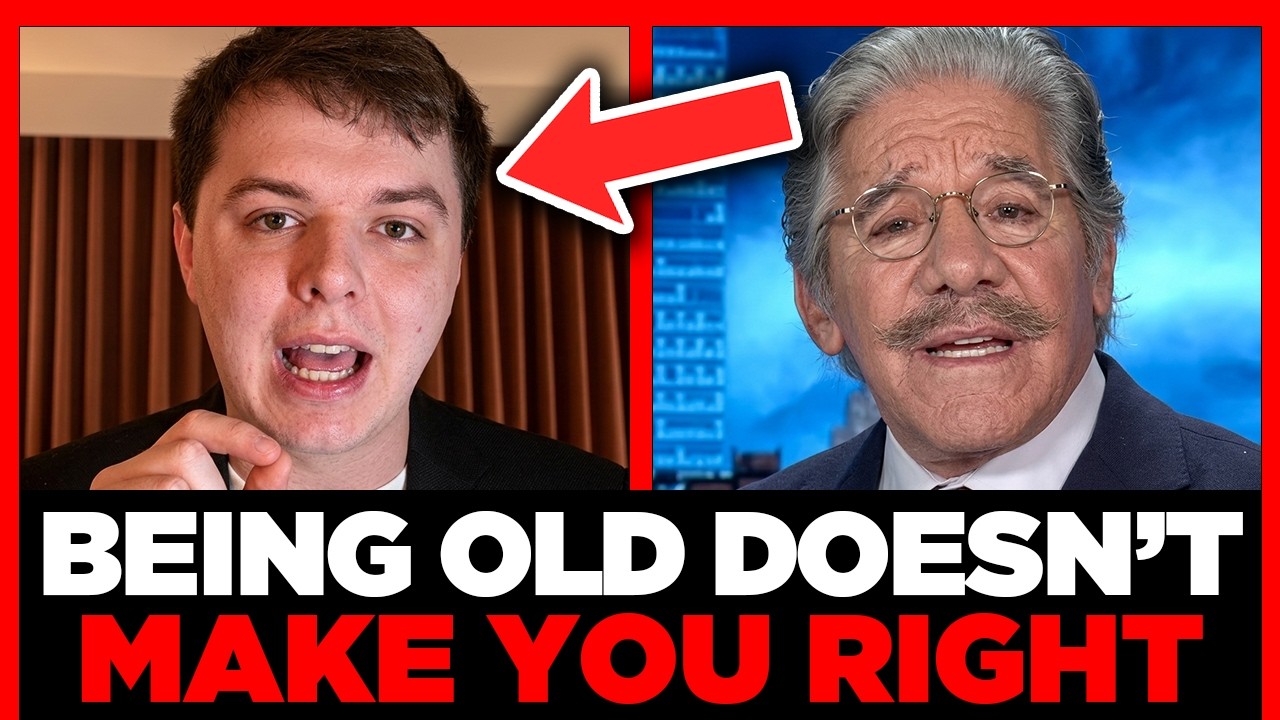
Adam Mockler DESTROYS MAGA Moron Geraldo Rivera LIVE on TV
Posted
August 5, 2026
Views
93,209
Likes
1,465
Comments
386
Engagement
1.99%
August 5, 2026
93,209
1,465
386
1.99%
Every word spoken in this episode is indexed. Type any phrase to jump straight to the moment it was said.
Type any word or phrase that may have been spoken. Click a result to seek the player to that exact moment.
Try a name, a topic, or a quoted line
 15:54Now Playing
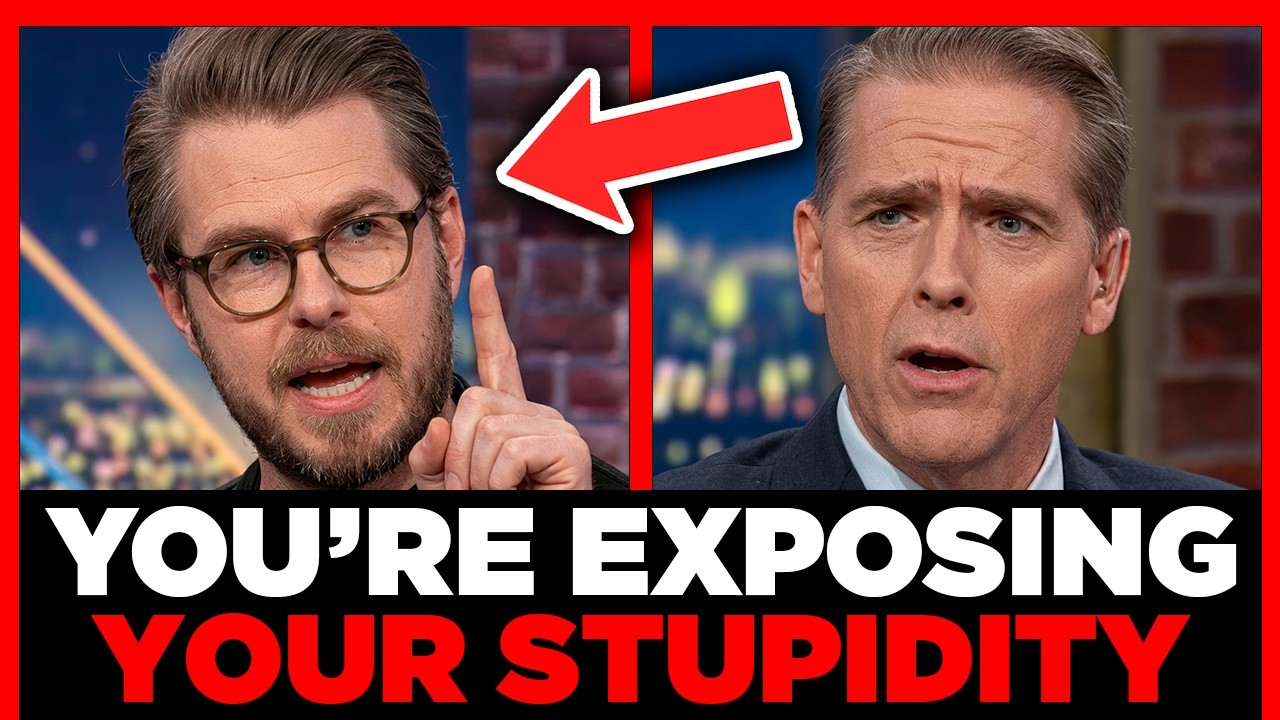
A twenty three year old political commentator asks one question on live television, and the entire panel turns on him. This video breaks down what happened when Adam Mockler confronted Scott Jennings on CNN's NewsNight, and then had to face the fallout on Piers Morgan Uncensored alongside veteran broadcaster Geraldo Rivera.
WHAT HAPPENED
The original clash took place on CNN's late night panel show, where Adam Mockler pressed Scott Jennings on a single point: what political concessions has the United States actually obtained from Iran, sixty days into the conflict? Jennings, one of the most recognizable conservative voices in American cable news and a former White House aide, had previously predicted the war would be resolved in four to six weeks. That window came and went. When Mockler brought the failed timeline back up on air, the exchange escalated fast. Jennings made a remark about Mockler's attention span. Mockler pointed out that Jennings had mocked his bedtime only five minutes earlier in the same segment. The moderator had to step in and calm the panel down.
Geraldo Rivera, who was also on that CNN panel, later went on News Nation and gave a blunt assessment of Mockler's behavior, calling him obnoxious while simultaneously admitting the young commentator was smart, eloquent, and clearly well prepared for the debate.
This video covers the follow up conversation on Piers Morgan Uncensored, where Adam Mockler and Geraldo Rivera appear together and go at it directly.
THE TWO SIDES
Adam Mockler's argument is that the war has produced no measurable political concessions, that the objectives and timelines have shifted repeatedly, and that the threshold for what counts as victory keeps being lowered. He argues that the cost, measured in money and in lives on both sides, has not been matched by any diplomatic result. His broader point is about media accountability: if one commentator is free to mock, provoke, and make failed predictions without consequence, why should the opposing voice be held to a standard of decorum that nobody else is following?
Geraldo Rivera's argument is about presentation rather than substance. With a broadcasting career spanning more than five decades and ten Emmy awards, Rivera advises Mockler to stick to the substance of his arguments, warning that being abrasive can overshadow a good point. He explicitly concedes that Mockler made strong points, but says the delivery undermines them. His view is that Mockler has a genuine future as a voice for a younger generation that has struggled to break into mainstream media, if he can channel it properly.
Piers Morgan sits somewhere in between. He notes that Scott Jennings is normally composed on that panel and is often outnumbered four to one, which he considers a fair fight given the circumstances. But Morgan also observes that Jennings appeared unusually rattled, and connects that to a broader pattern he has noticed among commentators who backed this conflict early and are now watching it fail to unfold the way they promised.
WHY THIS MATTERS
This is about more than one heated cable news segment. It touches on generational conflict in political media, the collapse of shared standards on panel shows, the accountability gap for pundits who make confident predictions that do not come true, and the question of whether aggressive interruption is a legitimate tool when the alternative is being talked over. It also raises an older question that comes up in every extended military engagement: at what point does the public get to ask what the endgame actually is?
WHAT DO YOU THINK
Was Adam Mockler right to push as hard as he did, or did Geraldo Rivera have a point about tone? Does Scott Jennings deserve credit for holding a minority position on a hostile panel, or did he avoid the question entirely? Is there still a place for traditional debate decorum in 2026, or has that era genuinely ended?
Drop your take in the comments below. Tell me which side you landed on and why. Let me know what city or country you are watching from as well, because this channel reaches further than I ever expected.
If this breakdown was useful, hit the like button and subscribe for more political debate analysis, cable news panel reactions, and commentary on the biggest ideological clashes happening in American media right now.
All footage used falls under fair use for the purposes of commentary, criticism, and analysis.
Sentinel Indexing in Progress
Metadata and chapters are available. Claim extraction for this episode is pending.
All video content is delivered via YouTube embedded players in accordance with the YouTube Terms of Service. Sentinel provides research tools that promote discovery and accountability across political media.