Elan Show
@elanshowofficial·28.6K subscribers·316 videos
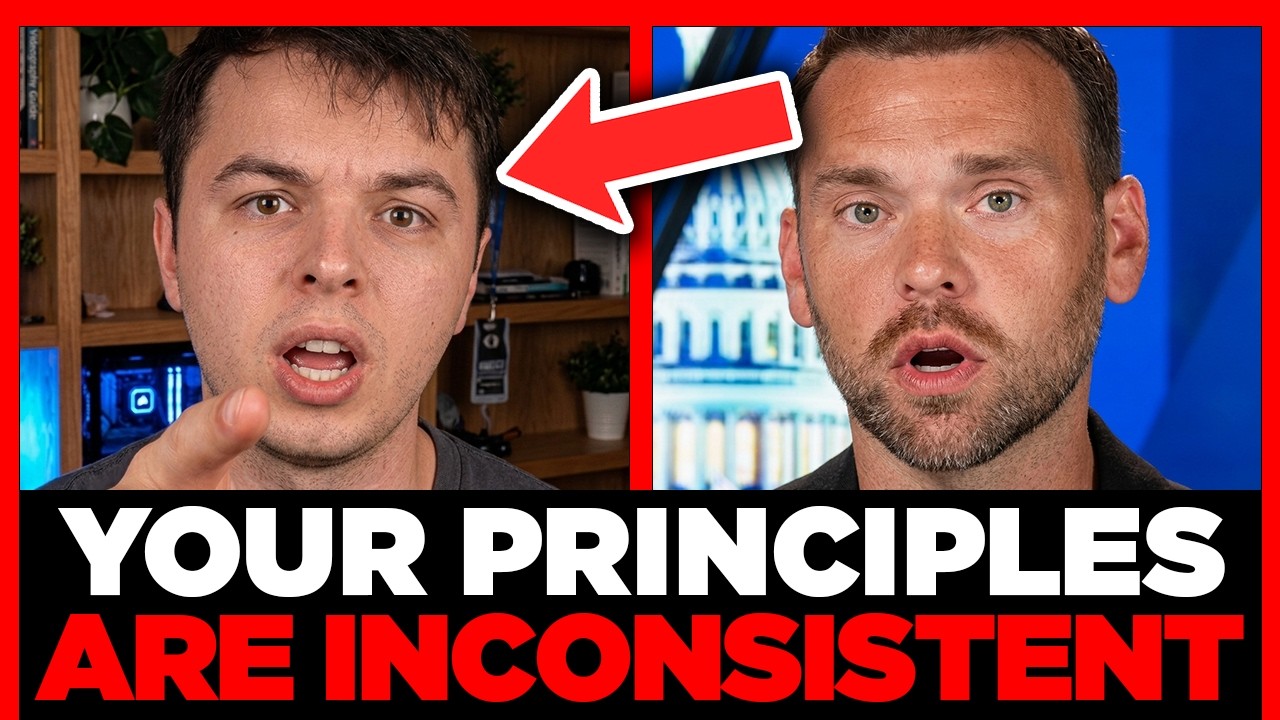
James Talarico ROASTS MAGA Spokeperson Pete Hegseth Into Silence LIVE on Fox News
Posted
August 7, 2026
Views
5,906
Likes
548
Comments
53
Engagement
August 7, 2026
5,906
548
53
10.18%
Every word spoken in this episode is indexed. Type any phrase to jump straight to the moment it was said.
Type any word or phrase that may have been spoken. Click a result to seek the player to that exact moment.
Try a name, a topic, or a quoted line
 14:43Now Playing
Texas State Representative James Talarico sits down with Pete Hegseth on Fox News, and what starts as a routine cable news interview turns into one of the most talked about guest versus host confrontations in recent memory. This breakdown walks through the full exchange with commentary, context, and analysis of exactly how the conversation shifted.
Here is the background. Talarico, a Democrat from Central Texas and a former middle school teacher, was part of the group of Texas House Democrats who left the state to deny quorum and stall a voting bill moving through the Texas Legislature. The walkout drew national attention, and Talarico appeared on Fox News to explain the decision. Hegseth opens by framing him as a political prop being used by national party leadership, references the private plane the group traveled on, and questions why a Texas legislator is holding press conferences in Washington rather than doing his job in Austin.
What follows is a genuine clash over legislative process, federal versus state authority over election administration, voter identification requirements, early voting hours, and the role of poll watchers. Talarico argues the proposed legislation would reduce voting access rather than expand it, including eliminating the option counties have to extend voting into overnight hours for shift workers. Hegseth presses him repeatedly on whether any registered voter in Texas is currently unable to cast a ballot, and challenges him on identification requirements for mail ballots.
The interview reaches its turning point when Talarico stops defending and starts questioning. He tells Hegseth directly that the host has profited personally from the content he broadcasts, and asks him a direct question on air. Hegseth's response, that he feels no obligation to answer anything, has become the most circulated moment from the entire segment. The exchange closes with Talarico pointing out that a Texas senator had previously left the state under far less defensible circumstances and faced almost no consequences for it.
This video breaks down the interview in three parts. The first covers the opening framing and the moment Hegseth appears unfamiliar with the contents of the bill he is defending. The second examines interview technique, specifically the pattern of asking a question and then talking over the answer. The third focuses on the reversal, the refusal to answer, and the closing line.
Some historical context worth knowing. Denying quorum by walking out is not a modern invention. In 1840, a young Illinois state legislator named Abraham Lincoln reportedly jumped from a statehouse window in an attempt to block a vote. Legislative minorities in the United States have used absence as a procedural tool for nearly two centuries, in both directions, under both parties. Understanding that history changes how you read the accusation that leaving the state is somehow illegitimate.
Topics covered include Texas voting legislation, quorum rules and how they work, the constitutional division of authority over election administration between state legislatures and Congress, voter identification law in Texas, mail ballot requirements, poll watcher provisions, and the broader question of how cable news interviews are structured to favor the person holding the microphone.
Whether you agree with James Talarico, agree with Pete Hegseth, or find both of them frustrating, the mechanics of this interview are worth studying. There is a real difference between a tough interview and an interview where only one participant is expected to answer anything.
Now over to you. Did Talarico handle the ambush well, or did he give ground he should have held? Was Hegseth doing his job as an interviewer, or did he abandon it the moment the question came back at him? Which moment stood out most to you? Drop your thoughts in the comments, and let me know what city or country you are watching from. I read the comment section on every upload and the discussions here are consistently better than the ones on cable.
If this breakdown was useful, a like genuinely helps the channel reach more people, and subscribing means you catch the next one. Share it with someone who has strong opinions about how political interviews should work, and let them argue with you in the comments.
Sentinel Indexing in Progress
Metadata and chapters are available. Claim extraction for this episode is pending.
All video content is delivered via YouTube embedded players in accordance with the YouTube Terms of Service. Sentinel provides research tools that promote discovery and accountability across political media.