Elan Show
@elanshowofficial·28.6K subscribers·316 videos
Scott Jennings STUNNED as Progressive Pundit TURNS His Logic Against Him
Posted
August 17, 2026
Views
4,663
Likes
155
Comments
47
Engagement
4.33%
August 17, 2026
4,663
155
47
4.33%
Every word spoken in this episode is indexed. Type any phrase to jump straight to the moment it was said.
Type any word or phrase that may have been spoken. Click a result to seek the player to that exact moment.
Try a name, a topic, or a quoted line
 21:12Now Playing
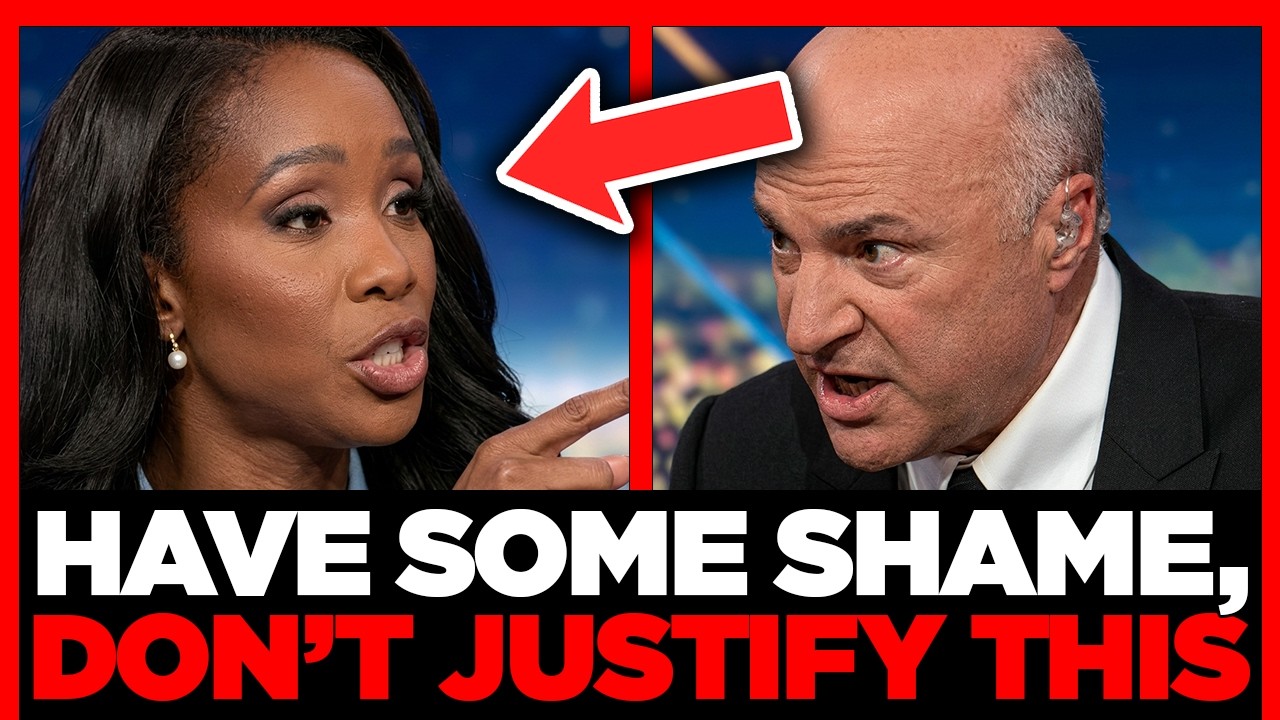
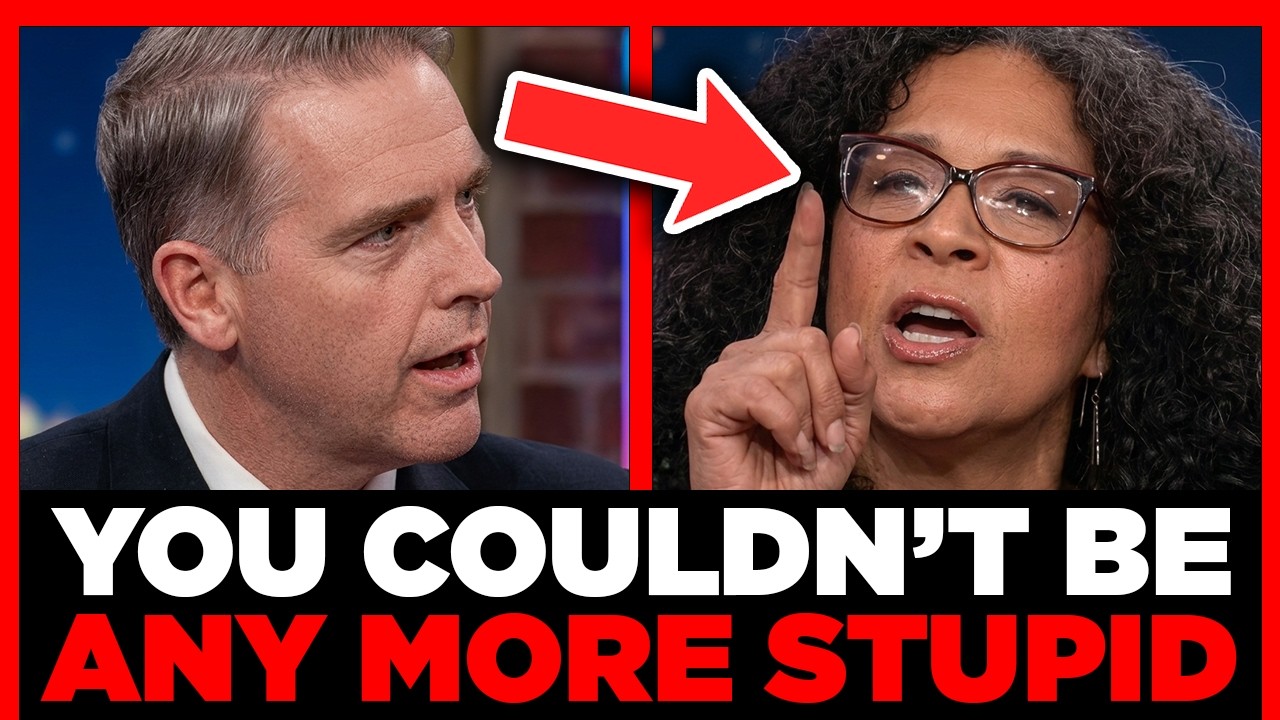
A CNN panel discussion turns into one of the sharpest exchanges the network has aired on transgender military service, and this video breaks down the entire argument piece by piece. Hosted by Abby Phillip, the panel brings together transgender Navy veteran Alaina Kupec, conservative commentators Scott Jennings and Shermichael Singleton, and journalist Jemele Hill for a debate that moves fast and never really settles.
The context: this discussion aired directly after the Supreme Court allowed the administration's ban on transgender service members to take effect while legal challenges continued in the lower courts. The policy originated in an executive order signed early in the president's second term, followed by a Department of Defense directive instructing the military services to identify and separate transgender personnel. Because the Court lifted the injunction rather than ruling on the merits, thousands of service members faced separation before any court had finished deciding whether the ban itself was lawful. That timing is what makes this particular panel so heated.
The core disagreement is simple to state and difficult to resolve. One side argues the policy protects military readiness, lethality, and unit cohesion, and that the commander in chief holds broad constitutional authority over how the armed forces operate. If the president and the secretary of defense believe a policy serves the force, that judgment belongs to the executive branch, and courts should show deference until the full case is decided.
The other side argues that no evidence has ever been produced to support the readiness claim. Alaina Kupec points out that federal judges asked the government directly for proof and received none, that military standards were never lowered for transgender personnel, and that active-duty service members and military leadership were not the ones raising complaints. From that view, the policy is discrimination dressed in operational language, and the constitutional issue is equal protection rather than executive authority.
The debate escalates when a hypothetical is introduced: if presidential opinion alone is sufficient justification, what stops a future commander in chief from excluding people on the basis of race or sexual orientation? Scott Jennings declines to engage the comparison. Shermichael Singleton says he believes a distinction exists but does not explain it. Abby Phillip presses both of them on why the distinction is never articulated, and the exchange becomes one of the more uncomfortable stretches of the segment.
The historical parallel does most of the work here. When President Harry Truman desegregated the armed forces in 1948, the objections raised at the time were framed around morale, discipline, and unit cohesion. The same vocabulary appeared again during the don't ask, don't tell era, which governed military service from 1993 until its repeal in 2011. Alaina Kupec served under that policy and left rather than conceal who she was. Jemele Hill adds the point that public opinion has historically sided against civil rights movements while they were happening, citing how Dr. Martin Luther King Jr. and the demonstrations of the 1960s were viewed by majorities at the time.
Also covered in the panel: the language of the policy describing transgender personnel as untruthful, undisciplined, and dishonorable; the operational consequences of removing experienced leaders from active commands; the argument over whether courts are functioning as a real check on executive power; and whether the injunctions that kept people employed during litigation should have been left in place.
This video includes full commentary and analysis of each stage of the exchange, plus historical context on military integration and the policies that governed service before this one.
What's your take? Should the commander in chief have final authority over who serves without producing evidence, or should a policy that removes qualified personnel be required to demonstrate actual harm to readiness first? Drop your answer in the comments. If you think one side made the stronger case, say which and explain why, and let us know where you're watching from.
Like, comment, and subscribe for more political debate breakdowns and panel analysis.
Sentinel Indexing in Progress
Metadata and chapters are available. Claim extraction for this episode is pending.
All video content is delivered via YouTube embedded players in accordance with the YouTube Terms of Service. Sentinel provides research tools that promote discovery and accountability across political media.