Hawk
@hawkpodcasts·844K subscribers·16.1K videos
Jury Selection in High-Profile Murder Cases: How Voir Dire Works When Everyone Has Seen the Evidence
Posted
January 13, 2026
Views
3,094
Likes
333
Comments
39
Engagement
January 13, 2026
3,094
333
39
12.02%
Every word spoken in this episode is indexed. Type any phrase to jump straight to the moment it was said.
Type any word or phrase that may have been spoken. Click a result to seek the player to that exact moment.
Try a name, a topic, or a quoted line
 10:01Now Playing
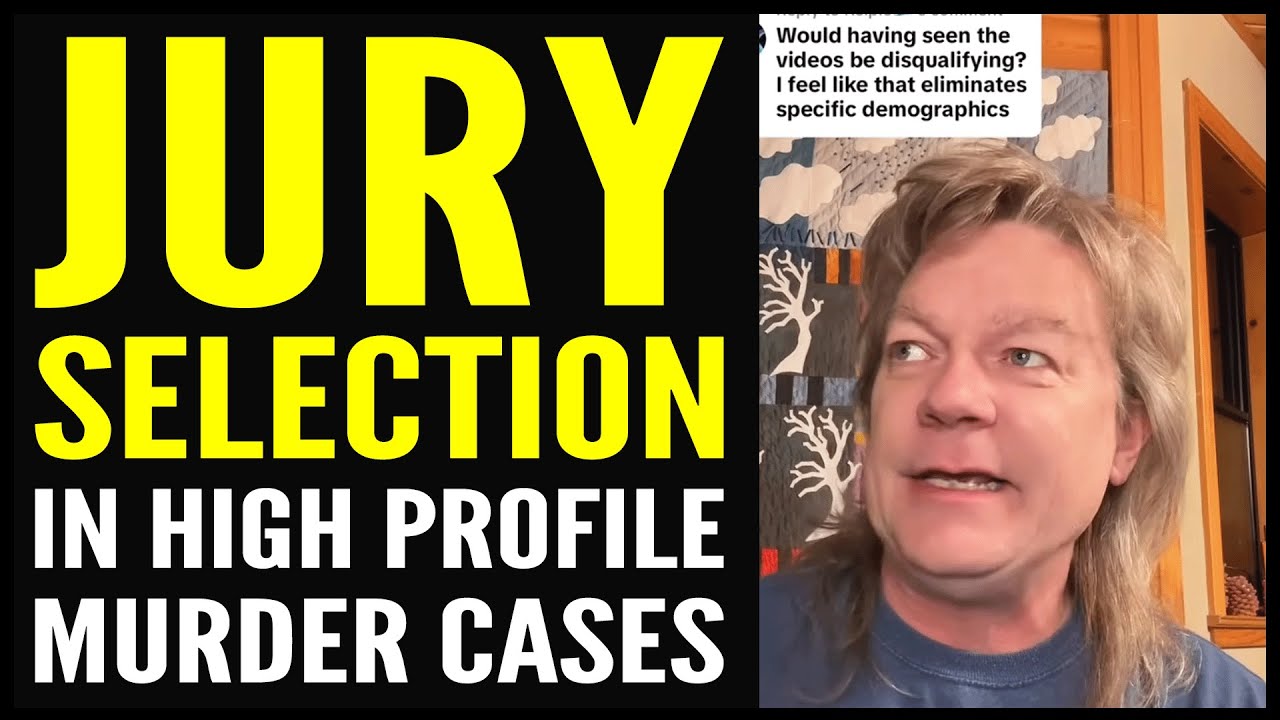
Jury Selection in High-Profile Murder Cases: How Voir Dire Works When Everyone Has Seen the Evidence
Jury selection in high-profile murder cases presents unique challenges when potential jurors have been exposed to nationwide coverage. The voir dire process seeks fair and impartial jurors rather than individuals with zero knowledge of the case. Hawk explains how voir dire works from initial jury pool questioning through peremptory challenges and challenges for cause. The process begins with a jury pool of 100-120 people, narrowed to 18 potential jurors who face questioning from the judge and attorneys.
Each side receives unlimited challenges for cause when a juror's answers demonstrate legal disqualification, plus a limited number of peremptory challenges (typically six to twelve in murder cases) to dismiss jurors without explanation. Attorneys work to uncover bias, preconceived notions, and prejudices that could prevent impartiality. The central question becomes whether potential jurors can set aside media exposure and preconceptions to follow the law and reach a fair verdict. High-profile trials face the reality that finding jurors with absolutely no case exposure is virtually impossible. Instead, the focus shifts to identifying individuals willing to be impartial despite prior knowledge.
Hawk details how attorneys question jurors, the role of alternates, and problems that arise when jurors lie during voir dire about their biases. The appellate process influences how trial judges conduct jury selection, as no judge wants their decisions overturned on appeal.
#JonathanRoss #Hawk #HawkPodcasts #JurySelection #VoirDire #MurderTrial #HighProfileCase #PeremptoryChallenges #ChallengeForCause #FairTrial #ImpartialJury #TrialLaw #CriminalTrial #JurorBias #NationwideCoverage #TrialProcess #LegalSystem #CourtRoom #Appellate #JuryPool #TrialJudge #LegalAnalysis #TrueJury #Impartiality #JudicialProcess
Timestamps
If you have the means and want to support Hawk you can become a Channel Member:
SUPPORT & CONNECT WITH HAWK
Support on Patreon
Hawk's Merch Store
Connect on TikTok
Connect on TikTok
Connect on BlueSky
Connect on Substack
Connect on Twitch(will be integrating this in the future)
HAWK PODCASTS INFO
- Additional Content Available Here:
- Listen to Hawk Podcasts On Your Favorite Platform:
• Apple Podcasts
• iHeartRadio
• Simplecast
Sentinel Indexing in Progress
Metadata and chapters are available. Claim extraction for this episode is pending.
All video content is delivered via YouTube embedded players in accordance with the YouTube Terms of Service. Sentinel provides research tools that promote discovery and accountability across political media.