Honolulu Civil Beat
@civilbeat·32K subscribers·1.2K videos
Pesticides in North Shore mud? Hawaiʻi may have good news
Posted
April 10, 2026
Views
3,335
Likes
57
Comments
1
Engagement
April 10, 2026
3,335
57
1
1.74%
Every word spoken in this episode is indexed. Type any phrase to jump straight to the moment it was said.
Type any word or phrase that may have been spoken. Click a result to seek the player to that exact moment.
Try a name, a topic, or a quoted line
 0:32Now Playing
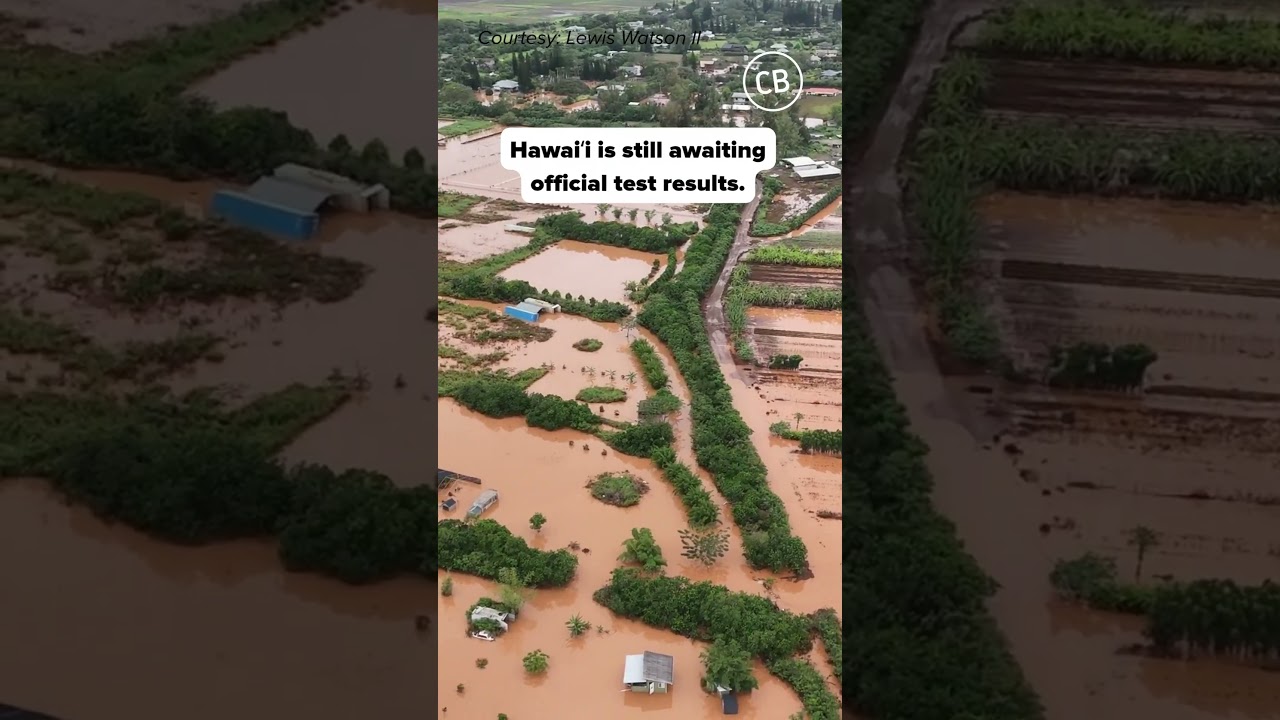
In photo after photo, video after video, North Shore residents are painted in mud, scraping it off driveways, sweeping it out of kitchens and heaving it into trucks along with their household debris.
With agriculture surrounding them, it’s impossible not to wonder: Are they exposing themselves to toxic farm chemicals amid the muck and sludge?
Upstream agricultural operations are the source of greatest concern, their use of pesticides linked with myriad health effects, from neurological and respiratory illnesses to cancers.
Although the state is still awaiting test results, so far officials say there is little to worry about. The sheer amount of water that fell from the sky during the Kona low storms – about 2 trillion gallons statewide – would have significantly diluted the chemicals everywhere.
Such assurances are unlikely to quell the community’s decades-long experience with polluted runoff, however, and small farmers say that runoff could also present a food safety problem and threaten to set back years of organic farming practices.
The anxiety among residents in the wake of the storm is coming on the heels of state lawmakers killing a list of bills aimed at strengthening restrictions on farmers spraying certain chemicals to kill weeds and pests even as the federal government is moving to cut red tape and protect agrochemical companies from state rules and lawsuits.
Organic farmers could lose their U.S. Department of Agriculture Organic Certification because of the flooding. Certification typically comes with a laundry list of requirements, including buffer zones, which are intended to shield their natural operations from pesticides that are often used with conventional agriculture. Buffers include everything from berms and lines of trees to prevent pesticide drift to 100-foot areas of untended land.
“This is such an extreme situation that some of those berms that work in normal rains probably didn’t,” said Christian Zuckerman, vice president of the Hawaiʻi Farmers Union.
Organic farmers may have to wait three years after they’ve cleared their land to regain their status, he said.
Read the story
Sentinel Indexing in Progress
Metadata and chapters are available. Claim extraction for this episode is pending.
All video content is delivered via YouTube embedded players in accordance with the YouTube Terms of Service. Sentinel provides research tools that promote discovery and accountability across political media.