Military1945
@m1945·37K subscribers·441 videos
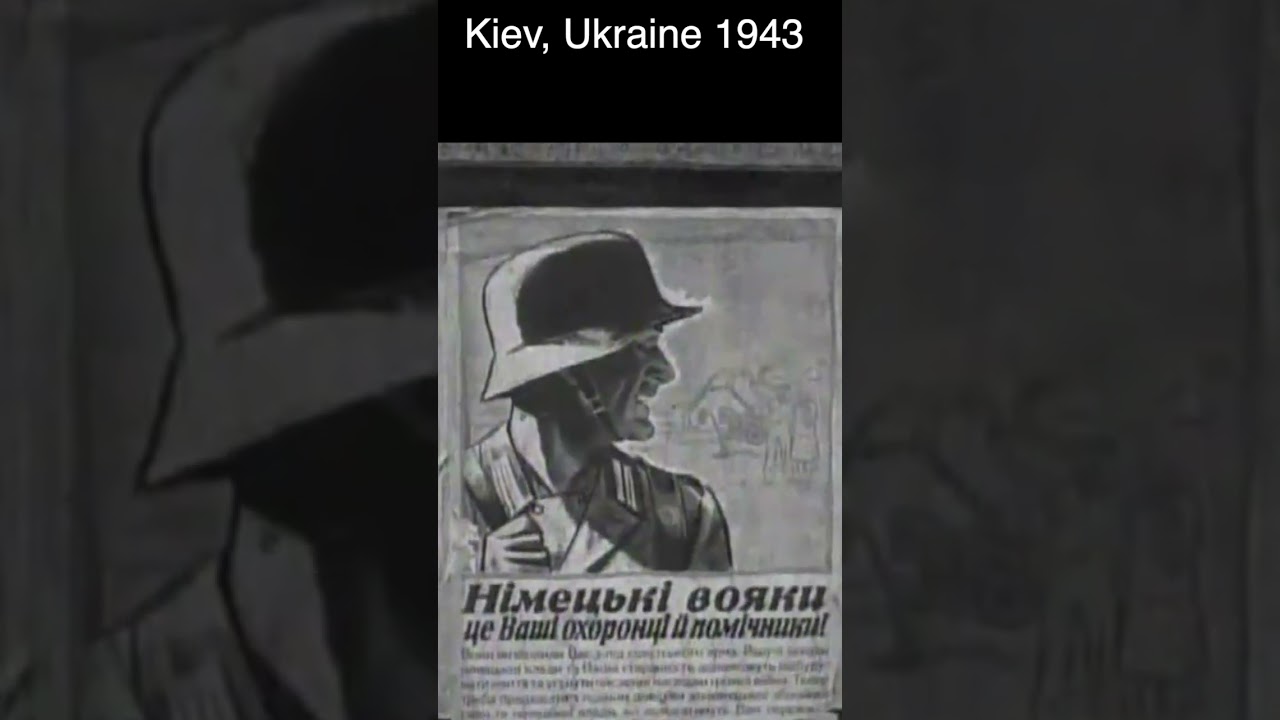
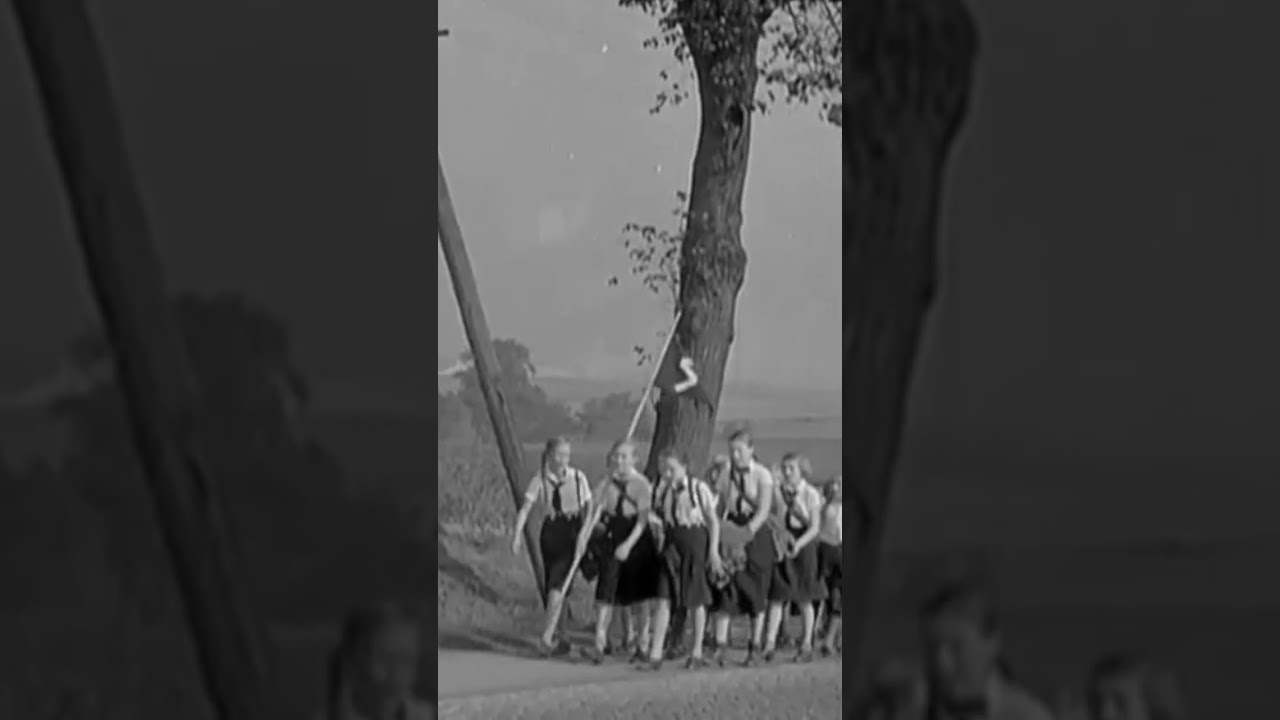
ROOTS OF GERMAN MILITARISM № 4 - Blut und Boden, Volksdeutsche - victims or active participants?
Posted
October 27, 2025
Views
1,446
Likes
138
Comments
40
Engagement
October 27, 2025
1,446
138
40
12.31%
Every word spoken in this episode is indexed. Type any phrase to jump straight to the moment it was said.
Type any word or phrase that may have been spoken. Click a result to seek the player to that exact moment.
Try a name, a topic, or a quoted line
 9:28Now Playing
🔥PREVIEW ALL YOUTUBE VIDEOS
www.Patreon.com/Military1945
Episode 299
The Blood and Soil ideology is an agrarian policy ideology that postulates the unity of a racially defined national body with its settlement area. Rural lifestyles are not only idealized and presented as a counterweight to urbanity, but are also linked to racist and antisemitic ideas that contrast a Germanic-Nordic race as a peasantry with a supposed Jewish nomadism. According to the Blood and Soil ideology, the desired peasantization of society requires new settlement areas for a "people without space," which are to be conquered as living space in the East.
"Blood and Soil" was a central slogan of National Socialist ideology. Originating from the völkisch ideology of the Artamans and the writings of Walther Darré, the ideas of the Blood and Soil ideology were adopted primarily by Adolf Hitler, Heinrich Himmler, and Baldur von Schirach and shaped National Socialist agricultural policy. The Reich Hereditary Farm Law, enacted in 1933, is considered an expression of the blood and soil ideology. Darré pursued the implementation of his settlement and selection concept as head of the Reich Office for Agricultural Policy, Reich Farmers' Leader, Reich Minister for Food and Agriculture, and head of the Race and Settlement Main Office of the SS, whose ideology he had a lasting impact on.
Origin
The pair of concepts of blood and soil, although in conflict and not understood as a unit, is documented in Oswald Spengler's 1922 work The Decline of the West, which speaks of the "struggle between blood and soil for the inner form of a transplanted animal and human species." In 1924, Max Wundt wrote in "What Does Völkisch Mean?" about "the natural roots of our nationality in blood and soil."The Eugen Diederichs publishing house in Jena published its 1927/28 program under the title "Bound in Blood and Soil." The last publications were published in groups. The image was also adopted by August Winnig, whose book "Liberation" (1926) and his book "The Reich as a Republic" (1928) both begin with the sentence: "Blood and soil are the fate of the peoples (people)."
In 1929, the Artaman leader August Georg Kenstler became editor of "Blood and Soil: A Monthly Journal for Rooted Peasantry, for German Character and National Freedom."[3] Walther Darré, also a member of the Artamans, transformed the succinct phrase into a central concept of Nazi ideology by giving a book published in 1930 the title "New Nobility from Blood and Soil."
From 1933 to 1945, there was also the "Blut und Boden Verlag" (Blood and Soil Publishing House), which used the place name "Reich Farmers' Town Goslar" in addition to "Goslar." The publishing house was located at Bäckerstraße 20–22 in Goslar. Its managing director was Rudolf Damm, who continued to work as a publisher after 1945, publishing "peasant literature based on the Blood and Soil ideology."
Sentinel Indexing in Progress
Metadata and chapters are available. Claim extraction for this episode is pending.
All video content is delivered via YouTube embedded players in accordance with the YouTube Terms of Service. Sentinel provides research tools that promote discovery and accountability across political media.