Mit Plasma Science and Fusion Center
@mitplasmasciencefusioncenter·7K subscribers·64 videos
Melting granite
Posted
March 29, 2016
Views
20,536
Comments
20
Engagement
0.10%
March 29, 2016
20,536
20
0.10%
Every word spoken in this episode is indexed. Type any phrase to jump straight to the moment it was said.
Type any word or phrase that may have been spoken. Click a result to seek the player to that exact moment.
Try a name, a topic, or a quoted line
 1:58Now Playing
Paul Woskov, a senior research engineer at MIT’s Plasma Science and Fusion Center (PSFC), is using a gyrotron, a specialized radio-frequency (RF) wave generator developed for fusion research, to explore how millimeter RF waves can open holes through hard rock by melting or vaporizing it. Penetrating deep into hard rock is necessary to access virtually limitless geothermal energy resources, to mine precious metals or explore new options for nuclear waste storage.
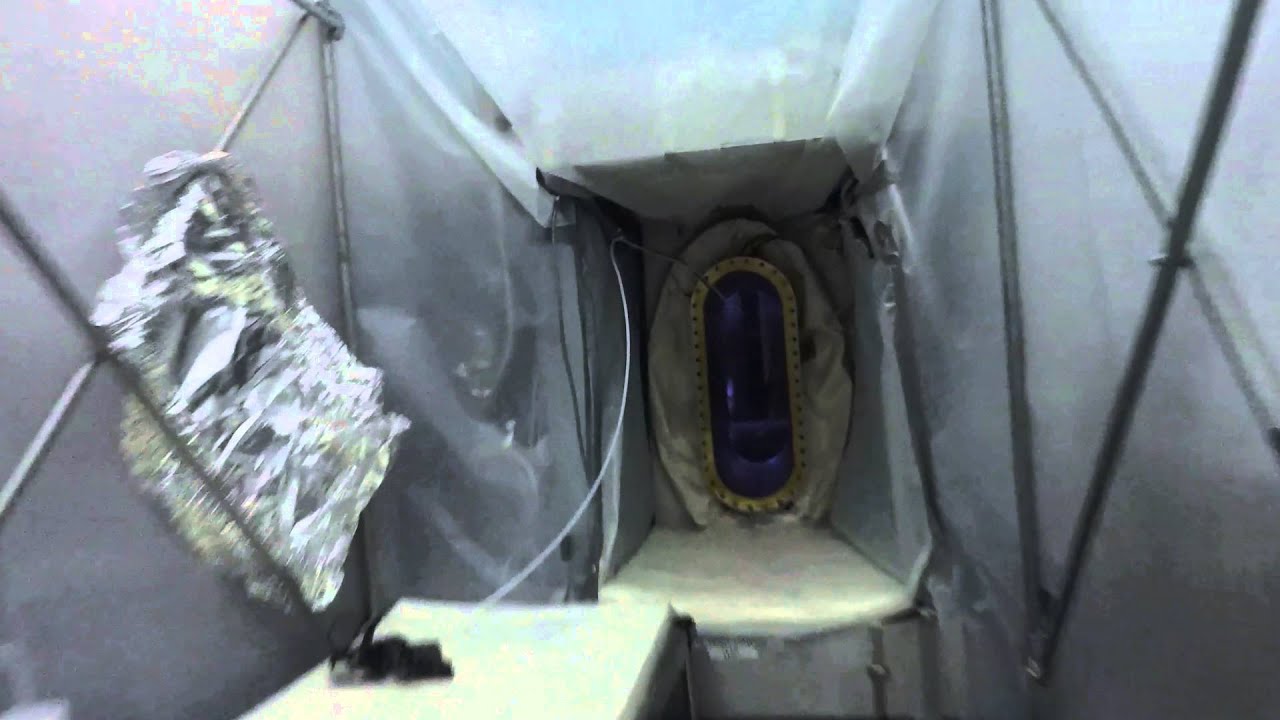
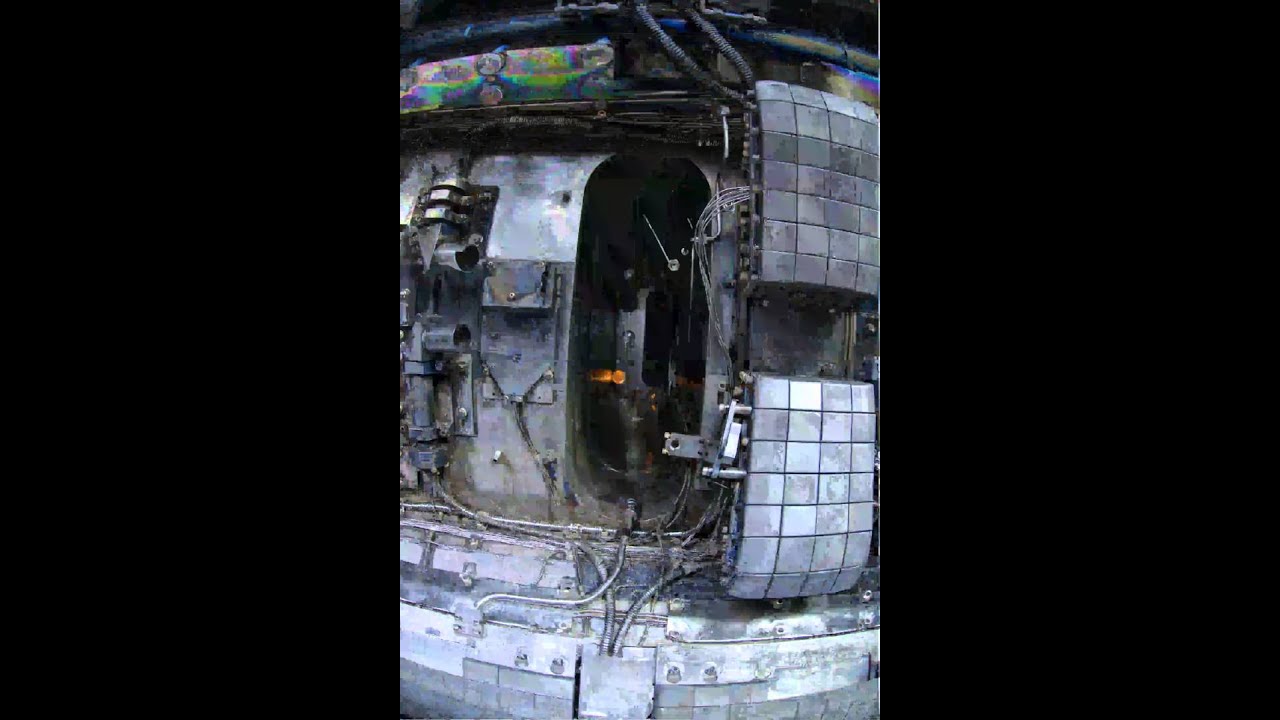
The film clips show a granite sample being hit with a 28 GHz gyrotron beam of about 2 kW coming in from the top. In the first clip the beam is turned on and you see the rock glow start and increase in intensity. There are yellow flame-like flashes of plasma breakdown. In the second clip, the airflow down the waveguide with the beam is increased and there are no flashes of plasma. Preventing plasma breakdown in the path of the gyrotron beam improves the efficiency of heating the rock sample.
Sentinel Indexing in Progress
Metadata and chapters are available. Claim extraction for this episode is pending.
All video content is delivered via YouTube embedded players in accordance with the YouTube Terms of Service. Sentinel provides research tools that promote discovery and accountability across political media.