Prof Sam Vaknin
@samvaknin·443K subscribers·2.3K videos
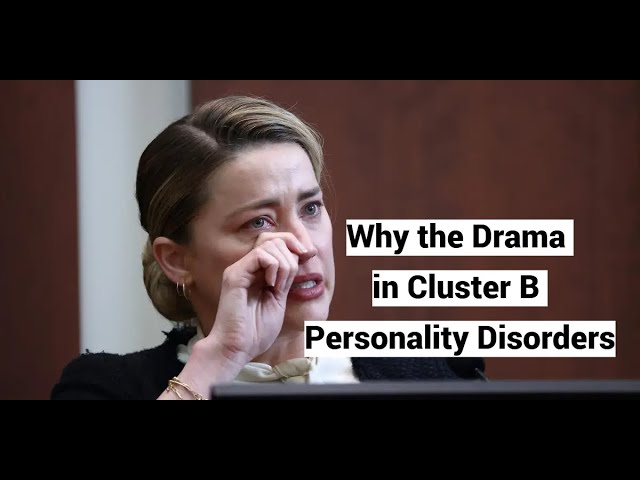
Why the Drama in Cluster B Personality Disorders
Posted
January 10, 2025
Views
104,424
Likes
4,005
Comments
303
Engagement
4.13%
January 10, 2025
104,424
4,005
303
4.13%
Every word spoken in this episode is indexed. Type any phrase to jump straight to the moment it was said.
Type any word or phrase that may have been spoken. Click a result to seek the player to that exact moment.
Try a name, a topic, or a quoted line
 46:07Now Playing
Constant state of artificial crisis, emotional dysregulation, switching, chaos, disruptive behaviors, identity diffusion/disturbance, mixed signals, inconstancy, indeterminacy, capriciousness, arbitrariness, and unpredictability
Dramatic-erratic cluster
WATCH Apocalypting Narcissist, BorderlineDrama, Crisis, Catastrophizing
Dramatization
Drama enhances self-efficacy and is a form of external regulation
Drama is addictive (a form of risk-taking and also a challenge or mystery)
Drama is an element of grandiosity, helps to distort cognition
Drama is a narrative that resonates with our sense of childlike wonder and fosters dissociation (like a movie)
Drama imposes huge costs in terms of mental resources (depletes) and renders its recipients more malleable and amenable to manipulation (defenseless), it is Machiavellian.
Reenactment of early childhood conflicts
Approach-avoidance repetition compulsion and the dynamics of insecure attachment
Attempts to generate theories of mind and internal working models by probing, testing, and dismantling the world, others, and relationships - the way a child does with a toy
Intermittent reinforcement and trauma bonding
Monopolizing the presence and attention of others (ersatz object constancy)
Channeling and sublimating aggression, projecting punitive introjects and then projective identification
But not all drama is created equal. The specific content of the drama ties in with the self-concept and is a derivative of the psychodynamics and goals of the underlying disorder. It is a fantasy in a paracosm, except in the case of the psychopath.
Like in codependency, in some cases drama allows to control from the bottom through displays of feigned power asymmetry, helplessness, dependency, and neediness (it triggers the savior/rescuer complex and involves regressive infantilization of the drama-making individual)
Psychopath: control, manipulation (creates information asymmetry, disorientation, anxiety and thus induces dependency on the psychopath in others)
Borderline: drowning out internal drama, recruiting participants and sharing the burden (drama loves company), intensity to avoid intimacy
Histrionic: ostentatious display of hyperemotionality
Narcissist: attention-seeking, self-enhancement, substitute to narcissistic supply in protracted states of reduced narcissistic supply or collapse (hunting for morsels): distraction and self-supply (e.g. in paranoid drama)
Find and Buy MOST of my BOOKS and eBOOKS in my Amazon Author Page
Sentinel Indexing in Progress
Metadata and chapters are available. Claim extraction for this episode is pending.
All video content is delivered via YouTube embedded players in accordance with the YouTube Terms of Service. Sentinel provides research tools that promote discovery and accountability across political media.