Reading Through History
@readingthroughhistor·106K subscribers·437 videos
History Brief: Civil Defense at School (1950s Cold War)
Posted
December 26, 2016
Views
78,355
Likes
432
Comments
65
Engagement
December 26, 2016
78,355
432
65
0.63%
Every word spoken in this episode is indexed. Type any phrase to jump straight to the moment it was said.
Type any word or phrase that may have been spoken. Click a result to seek the player to that exact moment.
Try a name, a topic, or a quoted line
 2:53Now Playing
This video gives a brief description of Civil Defense preparations made in public schools during the height of the Cold War. Teachers, check out our store on TpT
***
Music Provided by Piano Horror
The song is available here
***
Like our Facebook page
Follow us on Instagram
Follow us on Twitter
Check out our TpT store
Check out our website
Copyright Disclaimer Under Section 107 of the Copyright Act 1976, allowance is made for fair use for purposes such as criticism, comment, news reporting, teaching, scholarship, and research. Fair use is a use permitted by copyright statute that might otherwise be infringing. Non-profit, educational, or personal use tips the balance in favor of fair use.
***
In this video:
During the height of the Cold War, there were many drills, routines, film strips and pamphlets designed to help citizens survive a nuclear attack. What were some of these things, and who designed them?
President Harry Truman created the Federal Civil Defense Administration (FCDA) in 1950 in an effort to help the nation prepare for the possibility of a nuclear attack. The FCDA did many things throughout the 1950s and ‘60s to help people maintain a level of awareness.
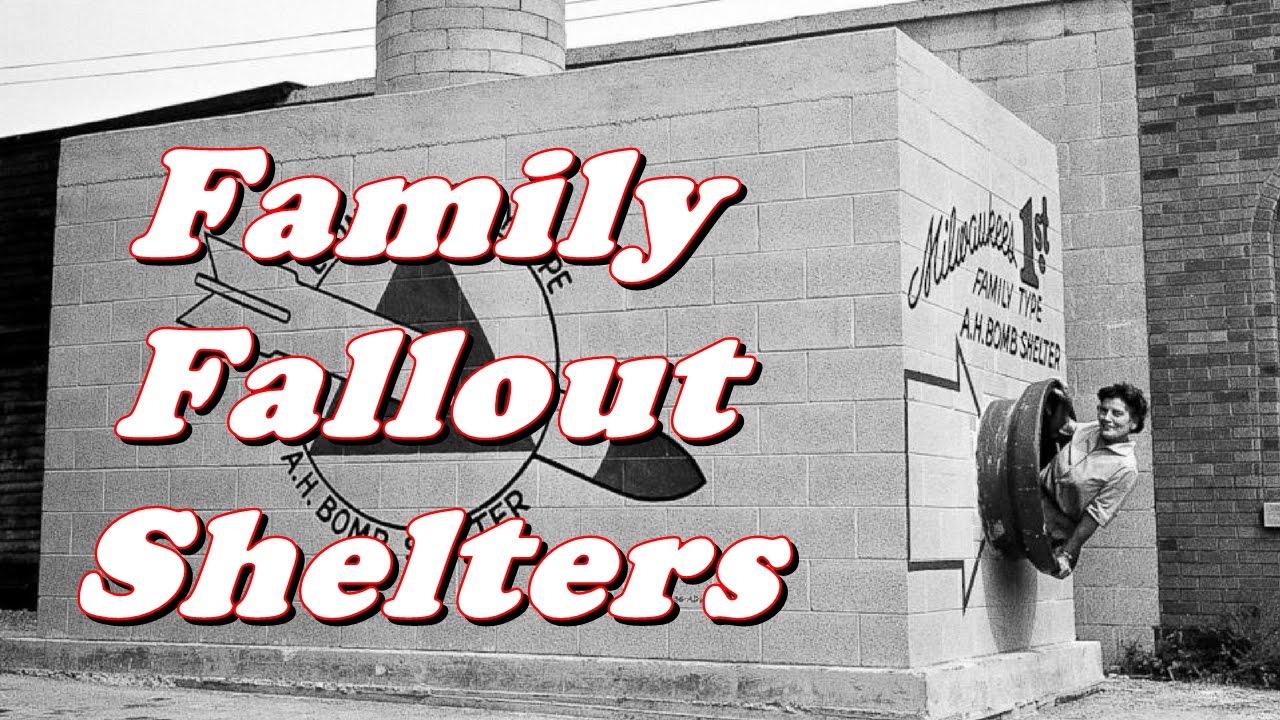
There were many efforts undertaken, largely focusing on schools and educating children about proper procedures. Home Economics classes taught girls what items should be included in a fallout shelter. Comic books were even created and distributed to school children that promoted nuclear safety.
Probably the most famous effort to educate children came through the use of “Bert the Turtle”. Bert was an animated turtle who appeared in film strips promoting the “duck and cover” safety strategy. Bert instructed that, in the event of a nuclear attack, first, one was supposed to “duck” out of the way to protect from flying debris and then “cover” your head and body to prevent burns and serious cuts. The films were accompanied by a catchy song that many could still sing as adults many years later.
Schools took other measures as well. Many districts began practicing weekly air raid drills that utilized a similar “duck and cover” method. When the students heard the warning siren, they were instructed to hide under their desks to protect their heads from falling objects.
Other school districts took even more extreme measures. Some went as far as purchasing identification bracelets for all of their students. This was to make it easier to identify victims in case of a major attack.
These precautions and many others serve as a reminder of just how frightening it might have been to have lived during the Cold War era.
Sentinel Indexing in Progress
Metadata and chapters are available. Claim extraction for this episode is pending.
All video content is delivered via YouTube embedded players in accordance with the YouTube Terms of Service. Sentinel provides research tools that promote discovery and accountability across political media.