Reading Through History
@readingthroughhistor·106K subscribers·437 videos
History Brief: Adolf Hitler's Rise to Power
Posted
January 8, 2017
Views
82,788
Likes
526
Comments
44
Engagement
0.69%
January 8, 2017
82,788
526
44
0.69%
Every word spoken in this episode is indexed. Type any phrase to jump straight to the moment it was said.
Type any word or phrase that may have been spoken. Click a result to seek the player to that exact moment.
Try a name, a topic, or a quoted line
 4:34Now Playing
Teachers, follow our store on TpT
***
Music for this video was provided by
***
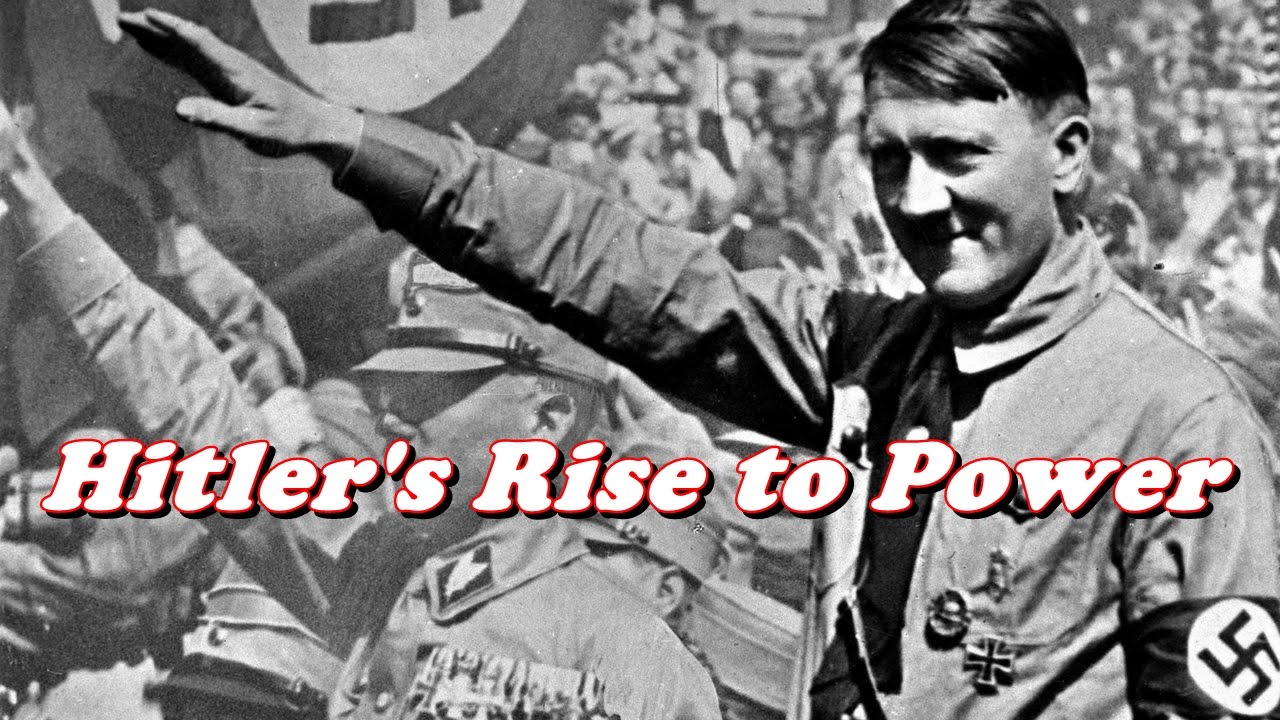
This video gives a brief description of Adolf Hitler's rise to power in Germany in the 1920s and '30s.
***
Like our Facebook page
Follow us on Instagram
Follow us on Twitter
Check out our TpT store
Check out our website
Copyright Disclaimer Under Section 107 of the Copyright Act 1976, allowance is made for fair use for purposes such as criticism, comment, news reporting, teaching, scholarship, and research. Fair use is a use permitted by copyright statute that might otherwise be infringing. Non-profit, educational, or personal use tips the balance in favor of fair use.
***
In this video:
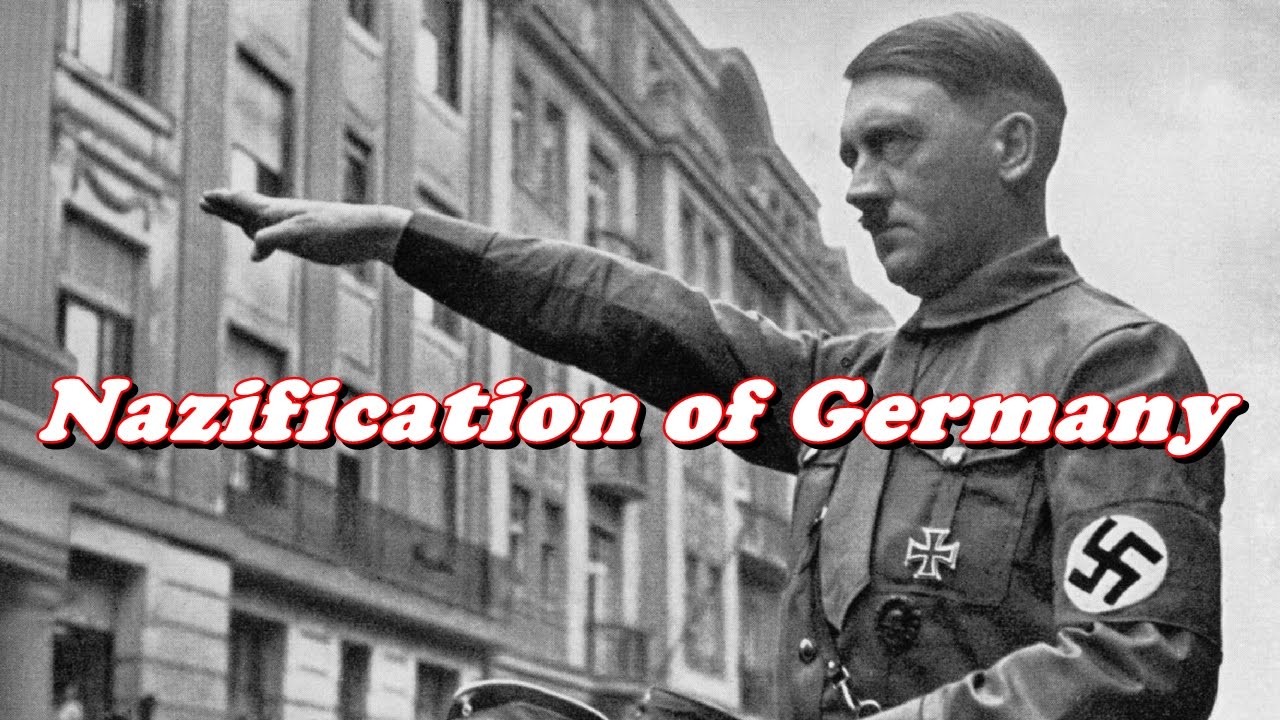
The last of the major dictators to rise to power prior to World War II arose in Germany. Who was Adolf Hitler, and how did he gain control of Germany?
Early in his life, Adolf Hitler hoped to be an artist, but his father refused to allow him to attend a classical school. As a result, Hitler intentionally failed in his studies and dropped out of high school.
By the age of 16, Hitler had become obsessed with politics. While living in Vienna, Hitler also developed a strong hatred for the non-German races in Germany and Austria. Before reaching adulthood, Hitler became what he would remain to his dying day, a fanatical German nationalist.
Hitler went on to serve in the German army during World War I, where he won the Iron Cross for bravery on two separate occasions. Following the war, he remained employed by the military as part of the Political Department. In September of 1919, Hitler was sent to investigate a tiny political group in Munich, which called itself the German Workers’ Party.
Finding himself impressed with their policies, Hitler joined the party. He became one of the most influential voices of the group, and in 1920, the name of the party was officially changed to the National Socialist Party, or simply the Nazi Party.
Hitler’s first attempt at seizing power in Germany came in November of 1923 in an incident known as the Beer Hall Putsch. The Nazis hoped to replicate Mussolini’s March on Rome by seizing control of the government in Munich, the capital of Bavaria.
The police opened fire, and sixteen Nazis were killed. Hitler escaped but was arrested two days later and sentenced to five years of incarceration. Hitler served a little over a year and spent his time in prison dictating what would become the first volume of Mein Kampf, a book that was, in part, an autobiography, but was also a collection of Hitler’s philosophical thoughts. In this book, Hitler stressed the “superiority of the German race,” a desire to rule Europe and the world, and an intense hatred for the Jewish people and religion.
Mein Kampf only sold 9,000 copies in its first year, but, as the Nazi party grew, so did the book’s popularity. In 1933, it sold 1,000,000 copies, and Hitler became the most prosperous author in Germany.
Hitler’s rise to power came amidst of wave of public anger. Hitler and the Nazi Party appealed to the emotions of the people by emphasizing Germany’s humiliating defeat at the conclusion of World War I, and declaring that Jews within the government had caused the nation to capitulate.
When the Great Depression began, support for the Nazi Party swelled. As unemployment rose, the Nazis exploited the resentment Germans held for their government. In the 1928 elections, Nazi candidates received fewer than 1 million votes. Two years later, after the Great Depression began, the Nazi Party received 6 million votes. In 1932, the number rose to more than 14 million votes, and the following year, Adolf Hitler was named Chancellor of Germany.
Sentinel Indexing in Progress
Metadata and chapters are available. Claim extraction for this episode is pending.
All video content is delivered via YouTube embedded players in accordance with the YouTube Terms of Service. Sentinel provides research tools that promote discovery and accountability across political media.