
Reading Through History
@readingthroughhistor·106K subscribers·437 videos
History Brief: The Effects of Nuclear Weapons
Posted
January 31, 2017
Views
23,741
Likes
130
Comments
12
Engagement
January 31, 2017
23,741
130
12
0.60%
Every word spoken in this episode is indexed. Type any phrase to jump straight to the moment it was said.
Type any word or phrase that may have been spoken. Click a result to seek the player to that exact moment.
Try a name, a topic, or a quoted line
 2:57Now Playing
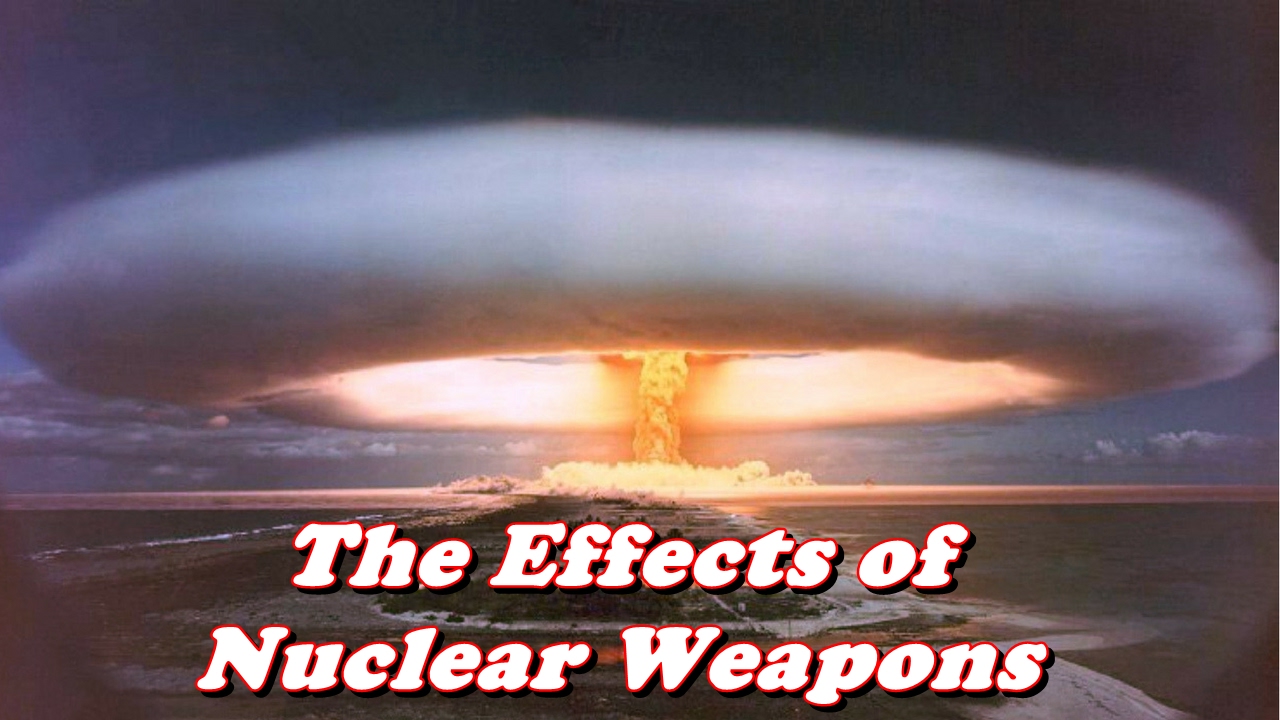
This video gives a brief description of the effects of nuclear weapons. Teachers, check out our store on TpT
***
Music Provided by Piano Horror
The song is available here
***
Like our Facebook page
Follow us on Instagram
Follow us on Twitter
Check out our TpT store
Check out our website
Copyright Disclaimer Under Section 107 of the Copyright Act 1976, allowance is made for fair use for purposes such as criticism, comment, news reporting, teaching, scholarship, and research. Fair use is a use permitted by copyright statute that might otherwise be infringing. Non-profit, educational, or personal use tips the balance in favor of fair use.
***
In this video:
Throughout the Cold War, the threat of nuclear war was always looming. Why were these weapons thought to be so dangerous? And what were the effects of such devices?
When a nuclear device detonates, there are many ways that it can damage the human body. There are three major threats that one must worry about: heat, blast, and radiation.
First, those close to the detonation would stand no chance of survival. At the center of a nuclear explosion, the temperature can reach millions of degrees, enough to incinerate or vaporize anything within several miles. The heat is intense enough to melt rocks and metal railroad ties.
As one moves further away from the atomic blast, chance of survival becomes better, but still slim. The heat produced by the blast is so intense that fatal third degree burns can be caused up to 25 miles away.
Accompanied with this intense heat is the second threat of a nuclear explosion, a tremendous blast of air pressure. This blast can produce winds in excess of a thousand miles per hour. Buildings can instantly be leveled by this massive current, causing even more fatalities and many injuries. The blast could also be fatal through the shattering of glass and other debris.
The third danger from a nuclear explosion comes from radiation. Radiation is a form of energy which is harmful to living cells. It causes many different ailments. The more immediate effects could include nausea, vomiting, and severe headaches. Long term effects could result in a number of different physical symptoms, from hair and teeth falling out, to various forms of cancer. The effects of radiation could be even more far reaching, causing birth defects and deformities in future generations.
These are just some of the effects the detonation of a nuclear device would have on the human population of a region. It should also be noted that the plant and animal life of the area would be affected in similar ways as well. Needless to say, these devices are a weapon that most people hope will never be used again.
Sentinel Indexing in Progress
Metadata and chapters are available. Claim extraction for this episode is pending.
All video content is delivered via YouTube embedded players in accordance with the YouTube Terms of Service. Sentinel provides research tools that promote discovery and accountability across political media.