Sam Seder
@TheMajorityReport·2M subscribers·30.1K videos
Tom Zoellner On The Jamaican Revolt That Ended Slavery In The British Empire FULL INTERVIEW
Posted
August 28, 2021
Views
5,585
Likes
298
Comments
36
Engagement
August 28, 2021
5,585
298
36
5.98%
Every word spoken in this episode is indexed. Type any phrase to jump straight to the moment it was said.
Type any word or phrase that may have been spoken. Click a result to seek the player to that exact moment.
Try a name, a topic, or a quoted line
 38:21Now Playing
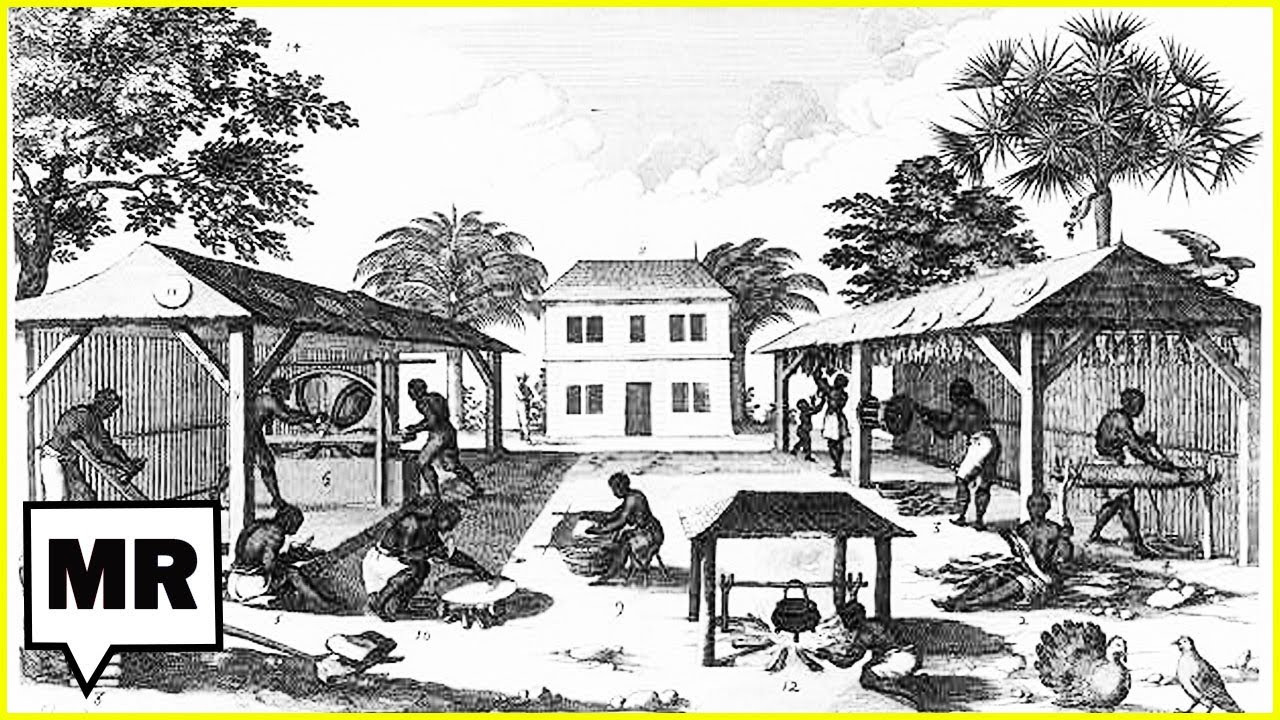
Tom Zoellner's book Island on Fire: The Revolt That Ended Slavery in the British Empire discusses how the Great Jamaican Slave Revolt. Jamaica was the most profitable colony for Britain in the West Indies, but it was entirely due to slave labor. Nine in ten Jamaicans were enslaved. But that would all end in 1832 and it sent shockwaves throughout the empire.
We stream our live show every day at 12 PM ET.
We need your help to keep providing free videos! Support the Majority Report's video content by going to
Watch the Majority Report live MF at 12 p.m. EST at youtube.com/samseder or listen via daily podcast at
Download our FREE app
SUPPORT the show by becoming a member
We Have Merch!!!
LIKE us on Facebook
FOLLOW us on Twitter
SUBSCRIBE to us on YouTube
Image Credit, PICRYL
Image has been cropped and color has been altered.
Emma Vigeland: Let's just talk about and set the stage for Jamaica's 1831 revolt against slavery. Place us in that time period if you could between the Haitian revolution and the civil war. How ubiquitous was slavery in Jamaica at the time? I mean I think I read in your book nine out of every 10 Jamaicans were enslaved so that's an incredible figure. Just give us some broader context and then we can begin to narrow things down.
Tom Zoellner: Sure at that point British slavery was in its 330th year. It was a lasting and extremely profitable institution for the empire. They raised sugar as a monoculture. That is to say that was really the only thing going on in Jamaica was the production of this nutritionally worthless product which nevertheless fueled an addiction back in the mother country. And in order to raise it required this unspeakably cruel institution. Which was multi-generational in nature which required fear and torture to sustain it. And what had happened was that missionaries Christian missionaries from the mother country, baptist and methodists primarily, had finally gained entrance to what was called the sugar islands. And began to spread the dangerous message that people can be free in a spiritual sense. And this bled over into a more political message that we can be free in a material sense.
Emma: And I want to touch on that because that was an incredible dynamic that you laid out. but let's back up a little bit to talking about how the British see Jamaica in the first place in the 1600s. And how that kind of set up an economy and infrastructure for what we saw 200 years later.
Zoellner: Sure. When Britain deposed its king and appointed Oliver Cromwell the word protectorate, he had an aggressive foreign policy. In particular, something called that he called the western design. Comparisons with the modern-day are always you know tricky. But you know this might be compared to you know us going into Iraq this was this patriotic thing that we're going to seize the Caribbean islands from the Spanish. And the seizure of Jamaica was kind of a comic opera. Nothing went right. But they stumbled into a military victory and claimed what happened to have been for them one of the most profitable islands in the Caribbean. And that was where you really saw slavery ramped up into a commodity-level concern.
Emma: So I mean there was the twin I guess commodities of slavery and the role that Jamaica played in that, which I want to ask you about, and sugar. So what would you say those were the two primary fundamental economic drivers in jamaica for great Britain.
Zoellner: No question those were the twin foundations of the economy.
Emma: And so then talk a little bit more about the slave trade in jamaica's role in the slave trade.
Zoellner: Sure. Jamaica was what was known as the slave depot of the Caribbean. That is to say that kidnapped human beings from Africa were taken primarily first to Jamaica and then traded throughout the rest of the British possessions in North America. The what would eventually become the United States among them. and so the harbor at Kingston and port royal was the first site of the new world that an enslaved person a newly insight person was going to see. And you know there are reports really vivid heartbreaking reports of a kind of catatonia that would descend upon those who were entering a horrific new life at that point. You know they had already survived the middle passage and what they saw in front of them was this riotous explosion of verdure. The whips, gangs, this new language.
Sentinel Indexing in Progress
Metadata and chapters are available. Claim extraction for this episode is pending.
All video content is delivered via YouTube embedded players in accordance with the YouTube Terms of Service. Sentinel provides research tools that promote discovery and accountability across political media.