Thais Gibson Personal Development School
@thepersonaldevelopmentschool·499K subscribers·3.8K videos
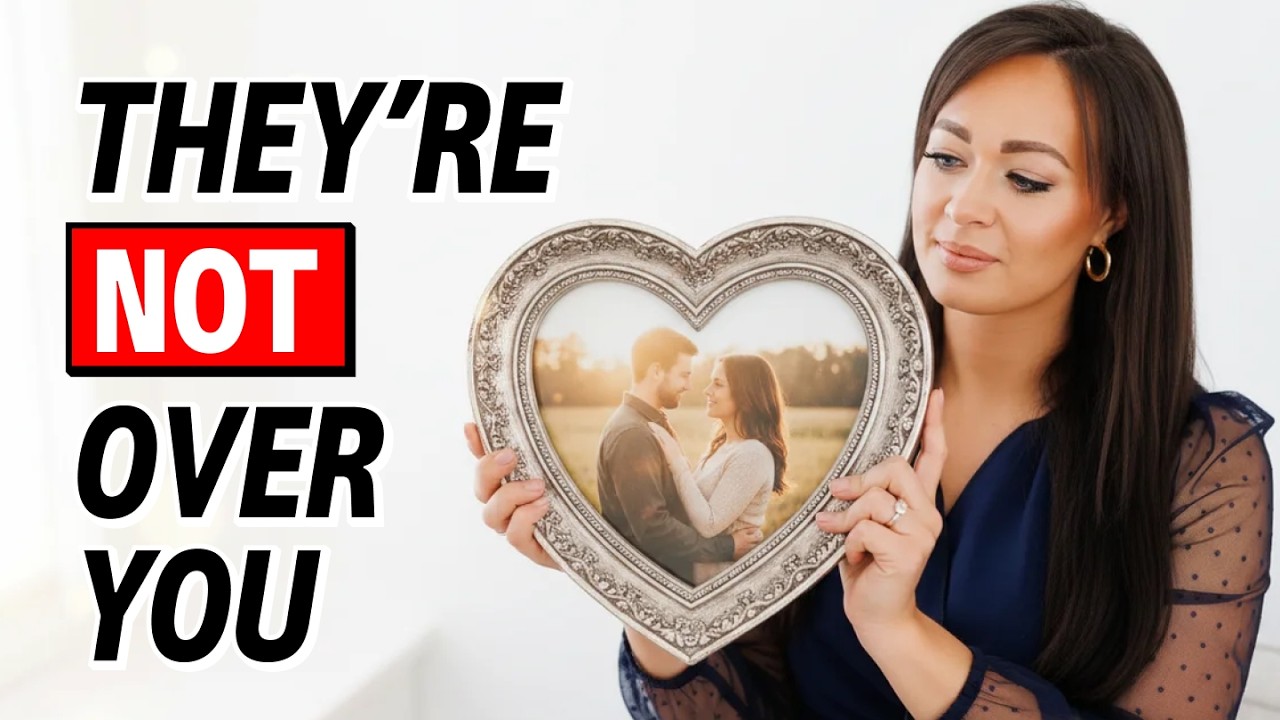
Shocking: Avoidants Fall in Love When You Give LESS And Ask for MORE
Posted
August 17, 2026
Views
1,878
Likes
79
Comments
13
August 17, 2026
1,878
79
13
4.90%
Every word spoken in this episode is indexed. Type any phrase to jump straight to the moment it was said.
Type any word or phrase that may have been spoken. Click a result to seek the player to that exact moment.
Try a name, a topic, or a quoted line
 13:32Now Playing
Reprogram SelfEsteem & Build Confidence From The Inside Out. Start Here
What if giving more isn't actually what makes a Dismissive Avoidant fall more deeply in love?
If you're constantly over-giving, caretaking, or trying to earn someone's love, you may unintentionally create a dynamic where there isn't enough room for the other person to invest. For Anxious Preoccupied and Fearful Avoidant Attachment Styles especially, learning to receive can be just as important as learning to give.
Episode Summary
Emotional bonding isn't only about what someone receives from a relationship. It can also be influenced by how they get to contribute, invest, feel appreciated, and experience themselves within the connection.
In this video, Thais Gibson breaks down why Dismissive Avoidants may fall more deeply in love when you stop over-giving and start asking for more, exploring the roles of oxytocin, vasopressin, intellectual connection, feeling needed, and mutual investment in relationships.
In this video, you'll learn:
✔️ How oxytocin and vasopressin relate to bonding and attachment
✔️ Why intellectual connection can be especially important for Dismissive Avoidants
✔️ How emotional safety can help deeper intimacy develop
✔️ Why feeling needed and appreciated can encourage greater relationship investment
✔️ How over-giving can create an unbalanced relationship dynamic
✔️ Why Anxious Preoccupied and Fearful Avoidant Attachment Styles may need to practice receiving
Key Takeaways
✔️ Dismissive Avoidants often need intellectual connection before deeper emotional intimacy begins to develop
✔️ Feeling accepted, appreciated, understood, and emotionally safe can help a Dismissive Avoidant lower their guard
✔️ Giving less doesn't mean playing games, it means creating greater balance and reciprocity
✔️ People can become more invested when they feel needed, appreciated, and able to meaningfully contribute to a relationship
✔️ Anxious Preoccupied and Fearful Avoidant Attachment Styles may over-give because of Core Wounds around worthiness, rejection, or abandonment
✔️ Practicing receiving, communicating your needs, and setting boundaries can help create healthier relationship dynamics
Timestamps
Meet the Host
Thais Gibson is the founder of The Personal Development School and a world leader in attachment theory. With a Ph.D. and over a dozen certifications, she’s helped more than 70,000 people reprogram their subconscious and build thriving relationships.
Helpful Resources:
🧠 Take the Free Attachment Style Quiz
📘 Become an IAT Relationship Coach
📚 Read the New Attachment Theory Book
🎧 Discover Podcast Episodes
📝 Read the PDS Blog
Let’s Connect on Socials:
Sentinel Indexing in Progress
Metadata and chapters are available. Claim extraction for this episode is pending.
All video content is delivered via YouTube embedded players in accordance with the YouTube Terms of Service. Sentinel provides research tools that promote discovery and accountability across political media.