The Randall Carlson
@therandallcarlson·632K subscribers·2.1K videos
157 Miles Wide and Still Too Small to Be a Sphere
Posted
June 16, 2026
Views
17,175
Likes
692
Comments
6
Engagement
4.06%
June 16, 2026
17,175
692
6
4.06%
Every word spoken in this episode is indexed. Type any phrase to jump straight to the moment it was said.
Type any word or phrase that may have been spoken. Click a result to seek the player to that exact moment.
Try a name, a topic, or a quoted line
 0:44Now Playing
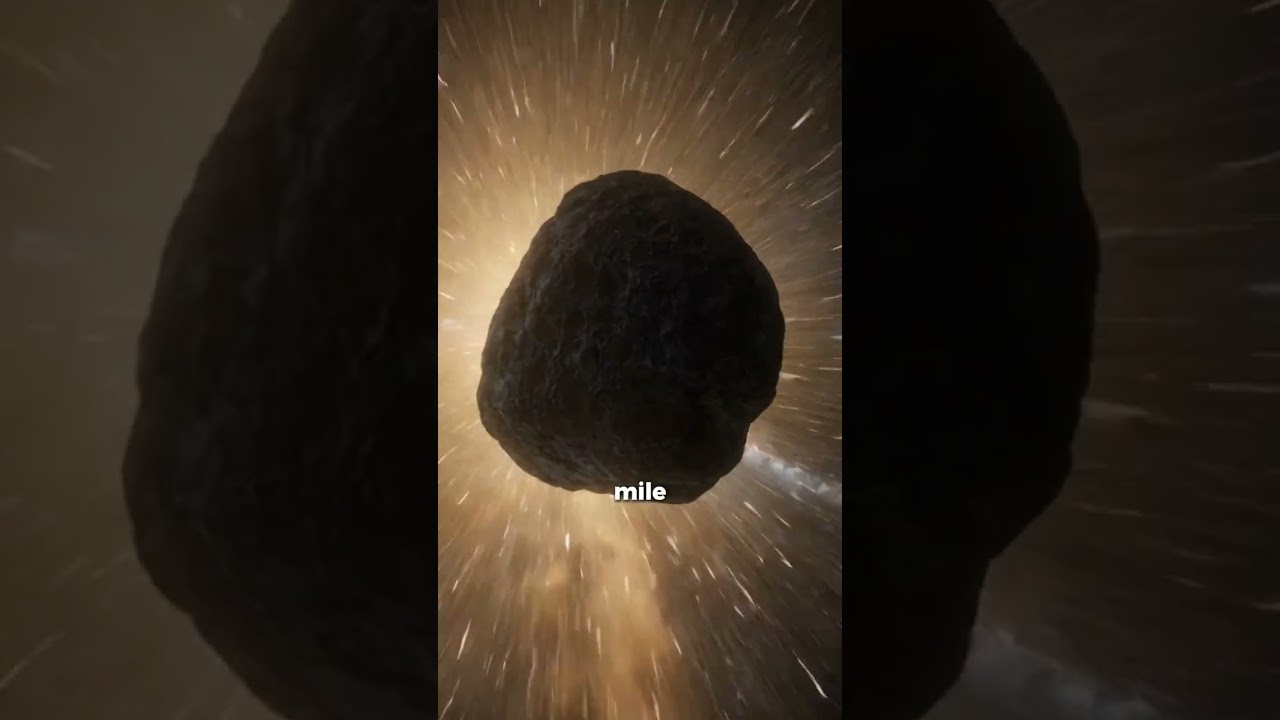
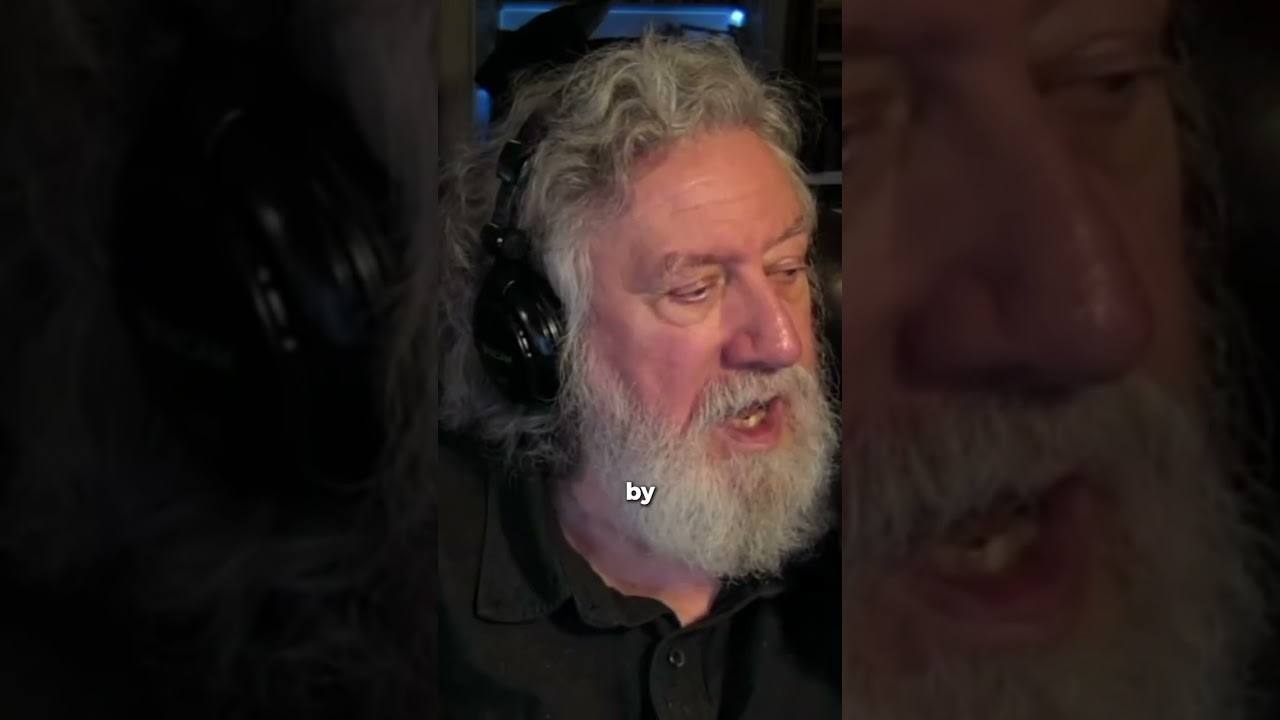
This particular asteroid, discovered on September 1st, 1804 by Karl Ludwig Harding, was the third asteroid ever found, right at the dawn of a wave of asteroid discoveries that began in that era. It is the second largest asteroid in the solar system, with a mean diameter of around 157 miles, and yet notice how distended and irregular its shape is. The reason comes down to a fairly straightforward physical principle. For a body to pull itself into a spherical shape, the gravitational attraction among its constituent material has to be strong enough to overcome the rigidity of the material itself, and at this size and mass, that threshold simply was not crossed. The image being shown is an artist's conception rather than an actual photograph, but given what is known about the body's mass and composition, it is likely a reasonably accurate depiction of just how irregular a 157 mile wide object can remain when gravity alone is not doing enough work to round it out.
Sentinel Indexing in Progress
Metadata and chapters are available. Claim extraction for this episode is pending.
All video content is delivered via YouTube embedded players in accordance with the YouTube Terms of Service. Sentinel provides research tools that promote discovery and accountability across political media.