The Randall Carlson
@therandallcarlson·632K subscribers·2.1K videos
Why Asteroids Have Different Shapes
Posted
June 19, 2026
Views
21,520
Likes
808
Comments
10
Engagement
3.80%
June 19, 2026
21,520
808
10
3.80%
Every word spoken in this episode is indexed. Type any phrase to jump straight to the moment it was said.
Type any word or phrase that may have been spoken. Click a result to seek the player to that exact moment.
Try a name, a topic, or a quoted line
 0:51Now Playing
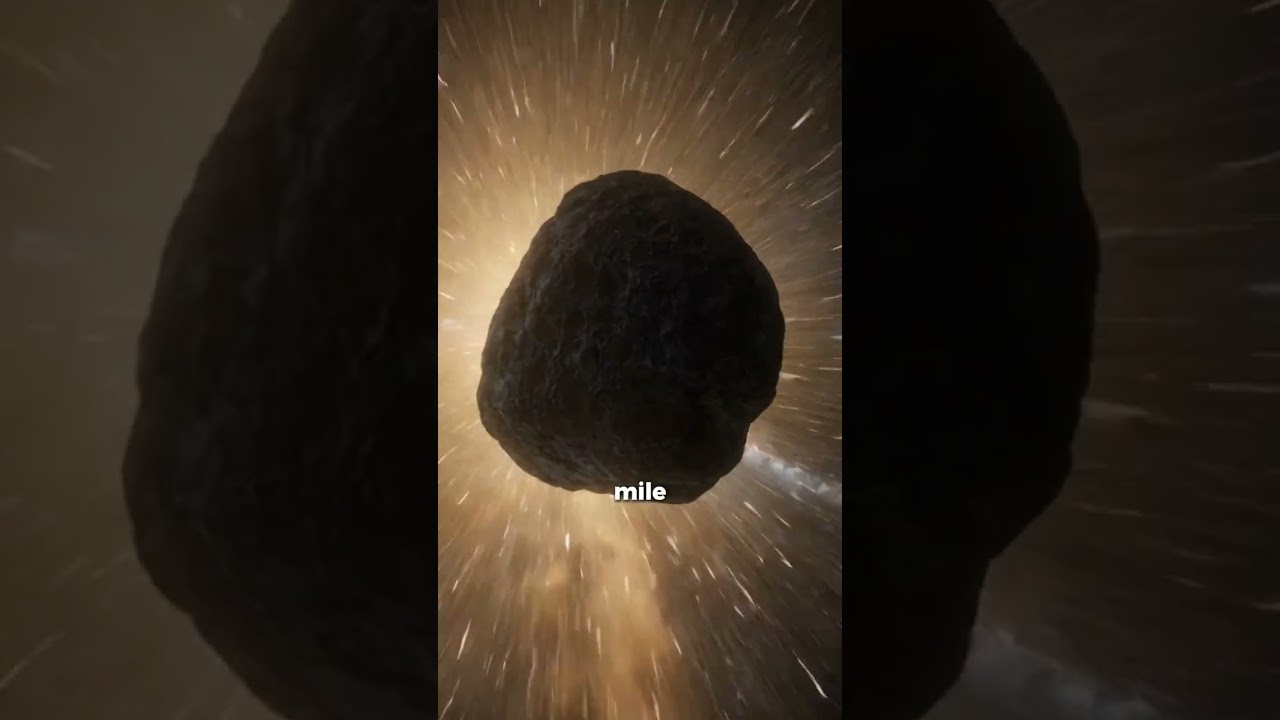
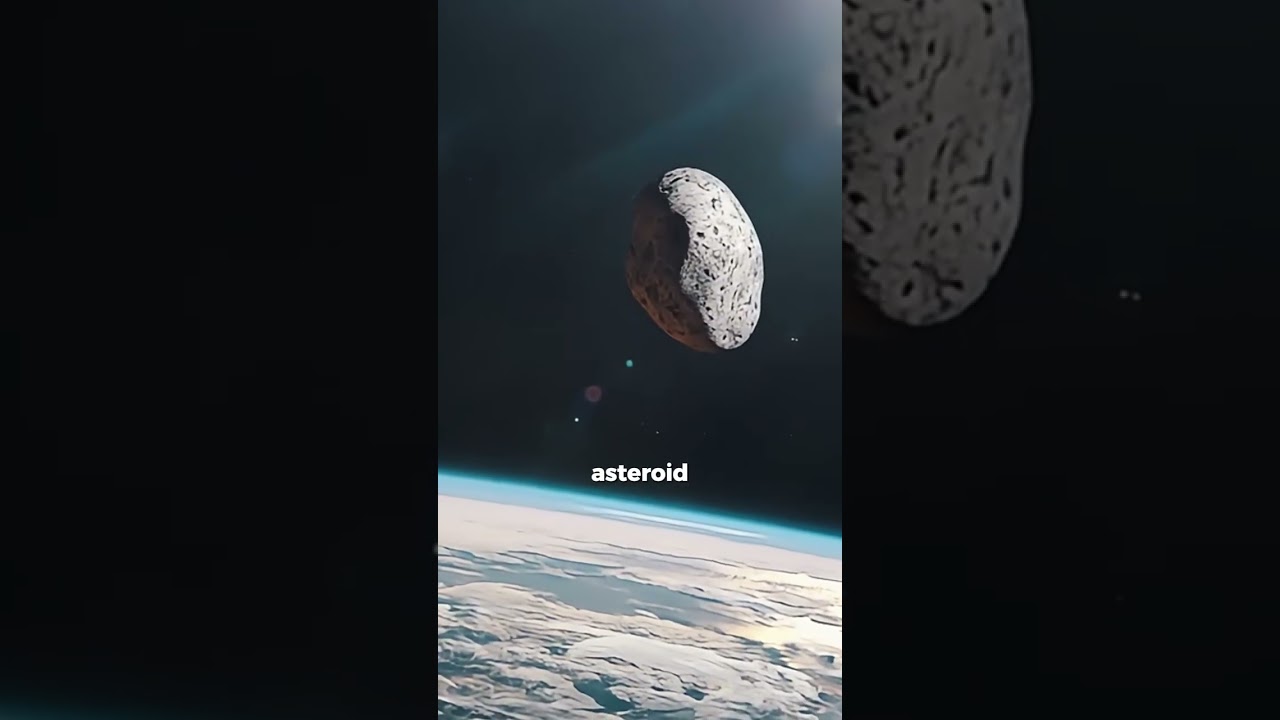
He walks through the discovery timeline: one asteroid known to humanity in 1801, Ceres, then Pallas in 1802. Pallas is the third largest in the solar system at 318 miles across, but noticeably more misshapen than Ceres. The difference comes down to mass and gravity. Ceres, being larger and more massive, generates stronger internal gravitational forces. Those forces pull the material into the shape that requires the least energy to maintain: a sphere. Pallas, smaller and less massive, lacks that gravitational pull. Its irregular form reflects a body that never quite achieved the equilibrium geometry that larger objects naturally settle into.
Sentinel Indexing in Progress
Metadata and chapters are available. Claim extraction for this episode is pending.
All video content is delivered via YouTube embedded players in accordance with the YouTube Terms of Service. Sentinel provides research tools that promote discovery and accountability across political media.