The Randall Carlson
@therandallcarlson·632K subscribers·2.1K videos
Wide Scan Surveys: Seeing What We Couldn't Before
Posted
June 17, 2026
Views
7,105
Likes
412
Comments
2
Engagement
5.83%
June 17, 2026
7,105
412
2
5.83%
Every word spoken in this episode is indexed. Type any phrase to jump straight to the moment it was said.
Type any word or phrase that may have been spoken. Click a result to seek the player to that exact moment.
Try a name, a topic, or a quoted line
 0:49Now Playing
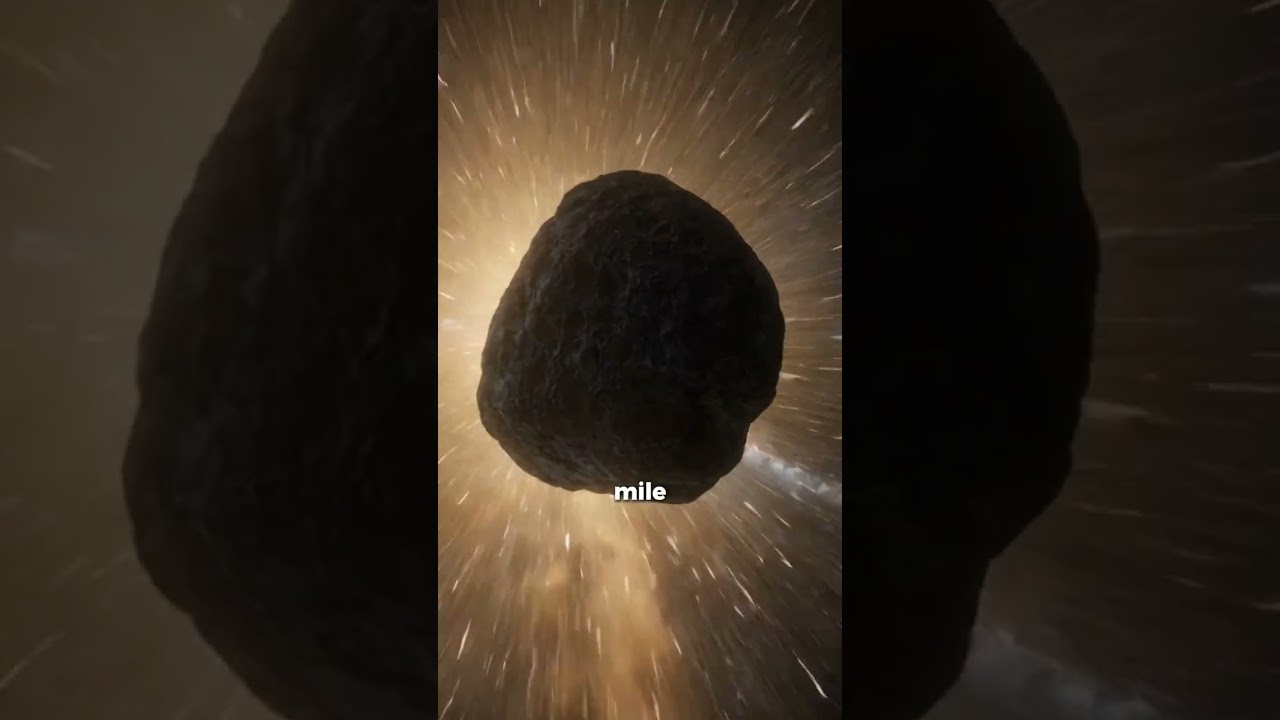
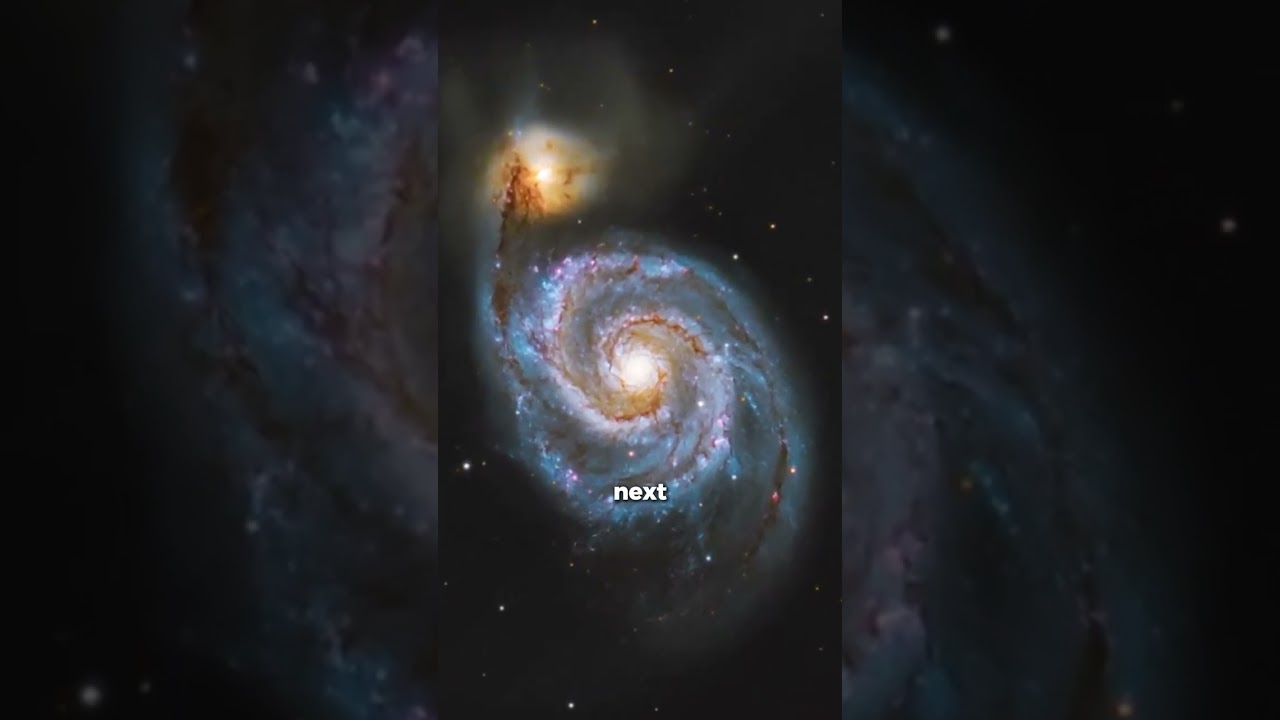
The technological capability that exists now simply did not exist for previous generations. Telescopes have been around for a long time, but discovering an asteroid the old way required pointing a telescope at exactly the right spot in the sky at exactly the right moment when that asteroid happened to be passing through that field of view, which was largely a matter of luck. What changed everything is the ability to run wide scan surveys of the heavens, recording the backdrop of fixed stars one night and then comparing that recording to the next night's image. If nothing has moved, nothing is happening. But if a point of light that looks like a star has shifted position between those two images, that is significant, and it is most likely an asteroid rather than a comet, because comets typically reveal themselves through a visible tail. That single capability, scanning broadly and comparing systematically rather than searching narrowly and hoping, is largely responsible for the dramatic increase in known near-Earth objects over the past few decades.
Sentinel Indexing in Progress
Metadata and chapters are available. Claim extraction for this episode is pending.
All video content is delivered via YouTube embedded players in accordance with the YouTube Terms of Service. Sentinel provides research tools that promote discovery and accountability across political media.