The Randall Carlson
@therandallcarlson·632K subscribers·2.1K videos
Itokawa: A Rubble Pile Held Together by Gravity
Posted
June 21, 2026
Views
21,917
Likes
846
Comments
25
Engagement
3.97%
June 21, 2026
21,917
846
25
3.97%
Every word spoken in this episode is indexed. Type any phrase to jump straight to the moment it was said.
Type any word or phrase that may have been spoken. Click a result to seek the player to that exact moment.
Try a name, a topic, or a quoted line
 0:31Now Playing
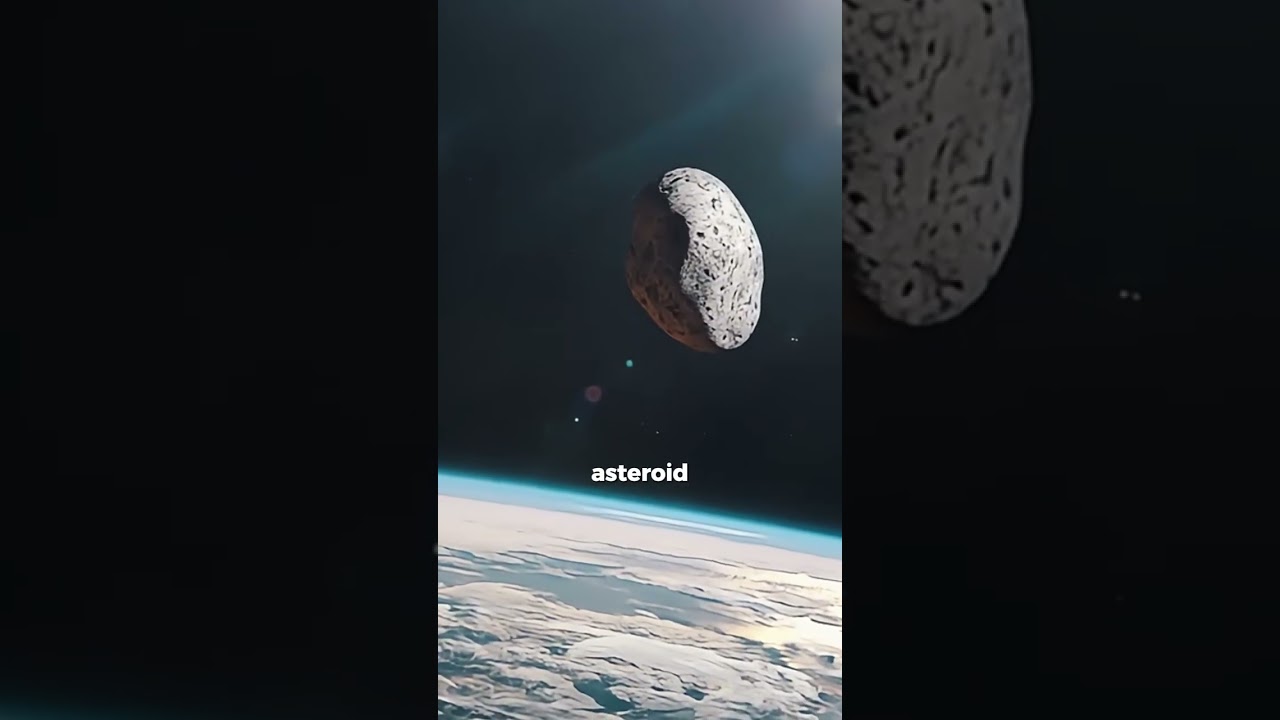
He walks through the evidence of asteroid Itokawa, a rubble pile discovered in 1998. It's 1,100 feet along its long axis, and the key detail is this: it's not a single coherent object. What holds it together is gravity, possibly supplemented by some kind of cementitious material binding the fragments. You can see smooth areas that suggest fine-grained material, almost like a natural glue. The structure itself is a conglomerate, a collection of debris that accumulated and stuck together over time. This changes how we think about asteroid composition and collision dynamics. If many near-Earth objects share this rubble pile structure, their behavior under stress or impact becomes far more unpredictable than a solid rock would be.
Sentinel Indexing in Progress
Metadata and chapters are available. Claim extraction for this episode is pending.
All video content is delivered via YouTube embedded players in accordance with the YouTube Terms of Service. Sentinel provides research tools that promote discovery and accountability across political media.