The Randall Carlson
@therandallcarlson·632K subscribers·2.1K videos
Why Gravity Forces Planets Into Spheres
Posted
June 22, 2026
Views
11,578
Likes
540
Comments
18
Engagement
4.82%
June 22, 2026
11,578
540
18
4.82%
Every word spoken in this episode is indexed. Type any phrase to jump straight to the moment it was said.
Type any word or phrase that may have been spoken. Click a result to seek the player to that exact moment.
Try a name, a topic, or a quoted line
 0:34Now Playing
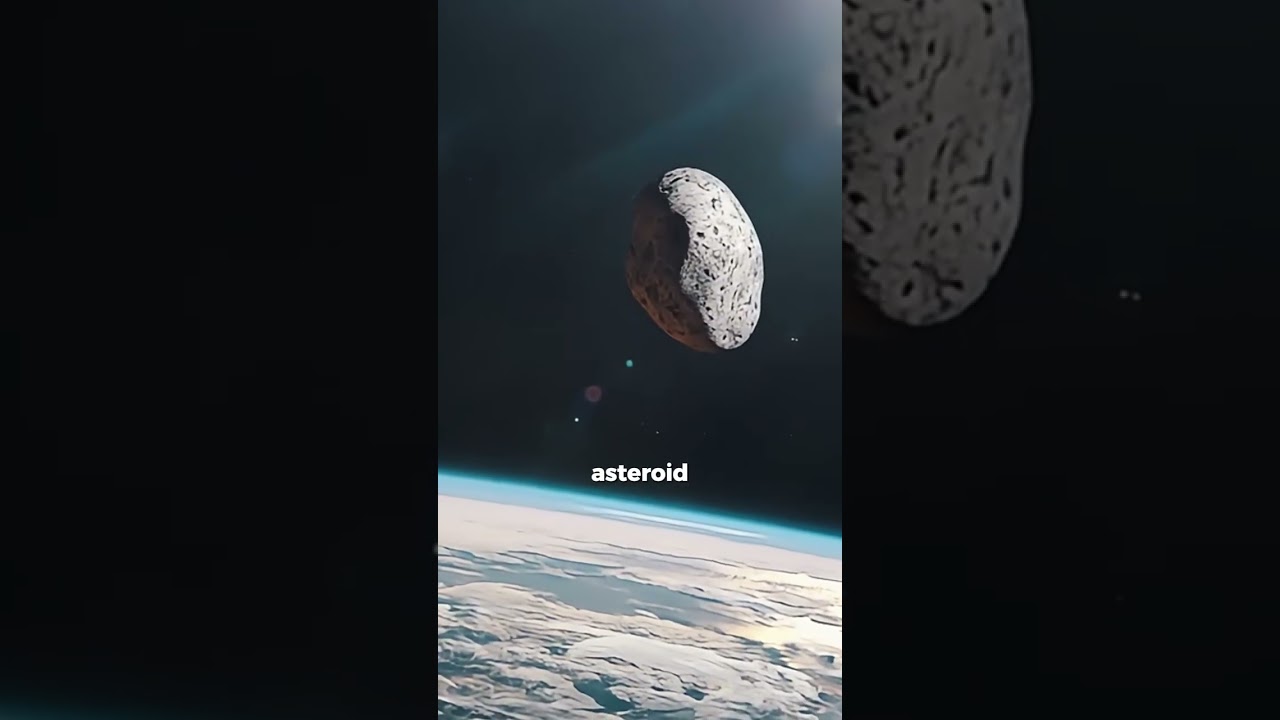
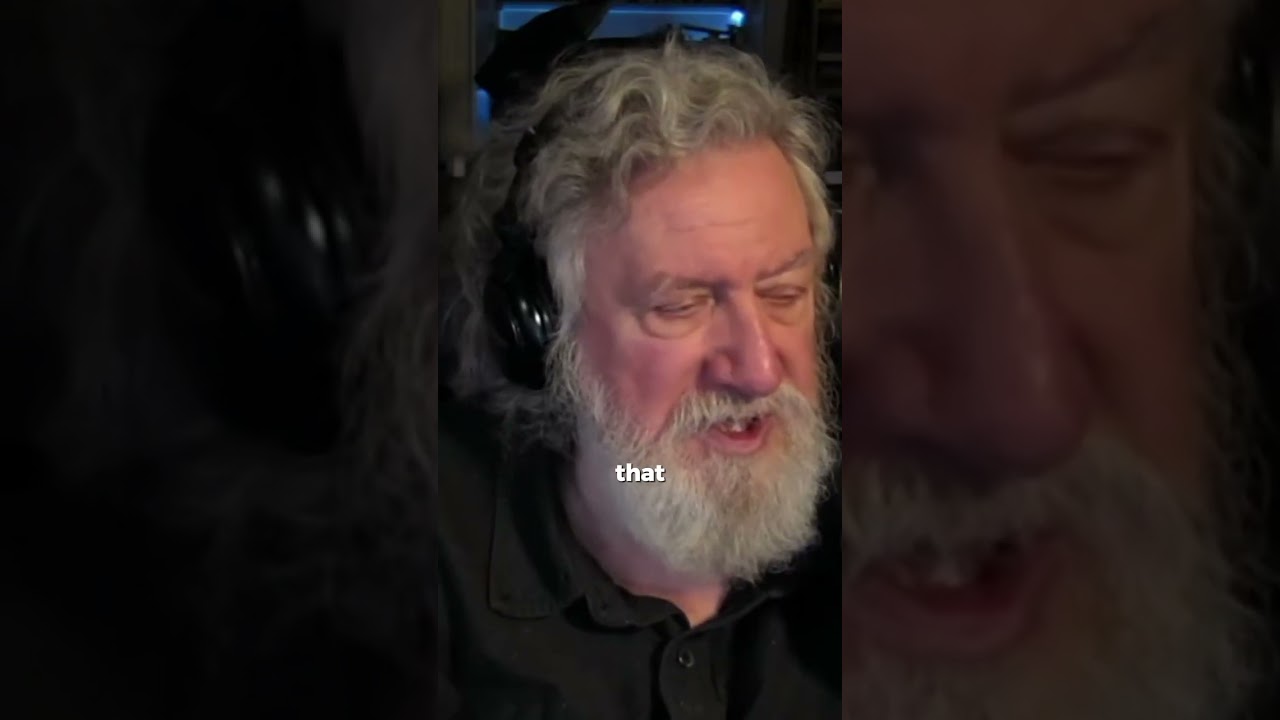
He walks through the relationship between gravitational force, mass, and geometric form in space. The larger the object, the stronger its internal gravity, and that gravity acts on every particle of mass within it. That force wants to pull everything toward the center, and the shape that requires the least energy to maintain under that pull is a sphere. It's why planets are round and smaller asteroids are not. If you take two objects of equal density but different size, the larger one experiences far greater internal gravitational pressure. That pressure reshapes the material over time, forcing it into spherical geometry. The smaller object lacks sufficient mass to generate that kind of internal force, so it remains irregular. This is basic gravitational mechanics, not speculation, though applying it to specific bodies like Ceres versus smaller asteroids requires assumptions about composition and density.
Sentinel Indexing in Progress
Metadata and chapters are available. Claim extraction for this episode is pending.
All video content is delivered via YouTube embedded players in accordance with the YouTube Terms of Service. Sentinel provides research tools that promote discovery and accountability across political media.