The Randall Carlson
@therandallcarlson·632K subscribers·2.1K videos
Tunguska Over a City: Millions of Casualties
Posted
August 20, 2026
Views
6,372
Likes
353
Comments
9
Engagement
5.68%
August 20, 2026
6,372
353
9
5.68%
Every word spoken in this episode is indexed. Type any phrase to jump straight to the moment it was said.
Type any word or phrase that may have been spoken. Click a result to seek the player to that exact moment.
Try a name, a topic, or a quoted line
 0:22Now Playing
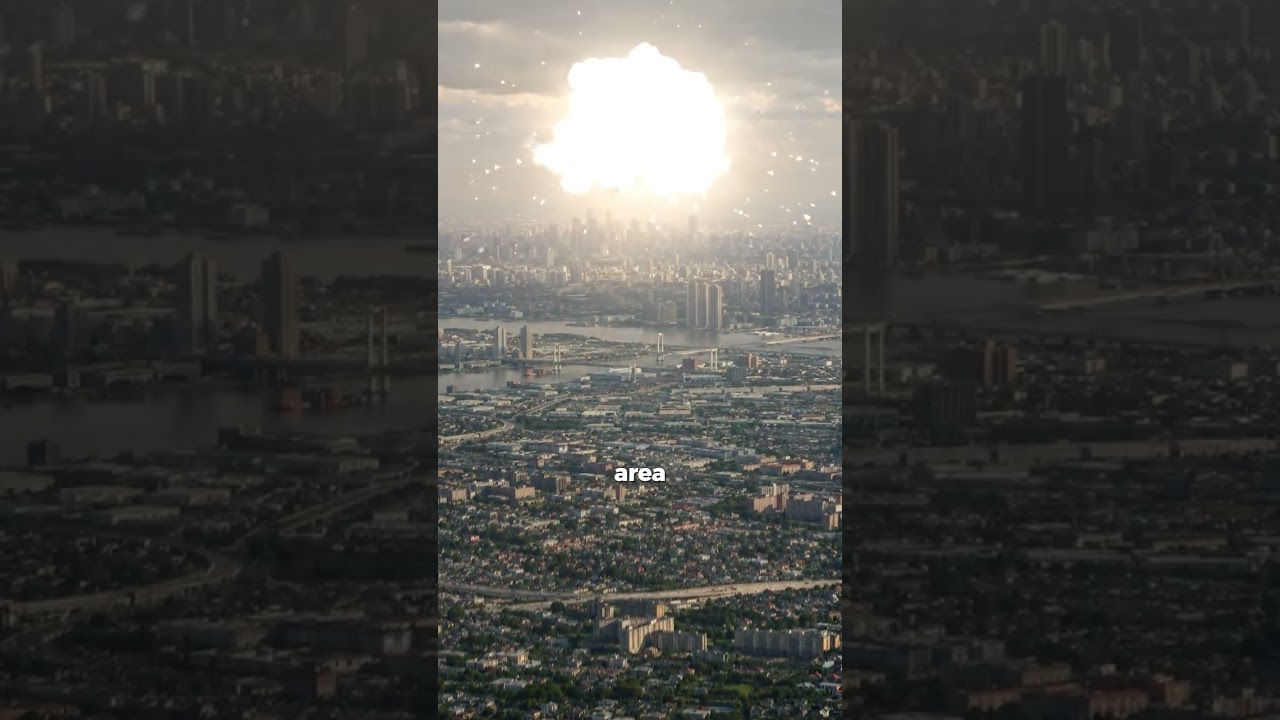
A Tunguska-scale impact over a major city today would produce millions of casualties and tens of millions of injuries. The 1908 event flattened 800 square miles of Siberian forest with an airburst estimated at 10 to 15 megatons. No one died because the region was uninhabited. That same energy release over New York, London, or Tokyo would be catastrophic on a scale difficult to comprehend. The blast wave alone would level infrastructure across an area larger than most metropolitan cores.
This isn't speculation. It's math. The question isn't whether such events can happen. The question is when, and whether we're prepared to detect and respond. The Tunguska object was likely only 50 to 60 meters across. Objects of that size are difficult to track and arrive with little to no warning. Understanding the risk means understanding the frequency, the energy involved, and the consequences of impact in populated regions.
Sentinel Indexing in Progress
Metadata and chapters are available. Claim extraction for this episode is pending.
All video content is delivered via YouTube embedded players in accordance with the YouTube Terms of Service. Sentinel provides research tools that promote discovery and accountability across political media.