The Randall Carlson
@therandallcarlson·632K subscribers·2.1K videos
Comet Fragmentation: A Million Tunguska-Scale Impacts
Posted
August 21, 2026
Views
16,140
Likes
832
Comments
22
Engagement
5.29%
August 21, 2026
16,140
832
22
5.29%
Every word spoken in this episode is indexed. Type any phrase to jump straight to the moment it was said.
Type any word or phrase that may have been spoken. Click a result to seek the player to that exact moment.
Try a name, a topic, or a quoted line
 0:37Now Playing
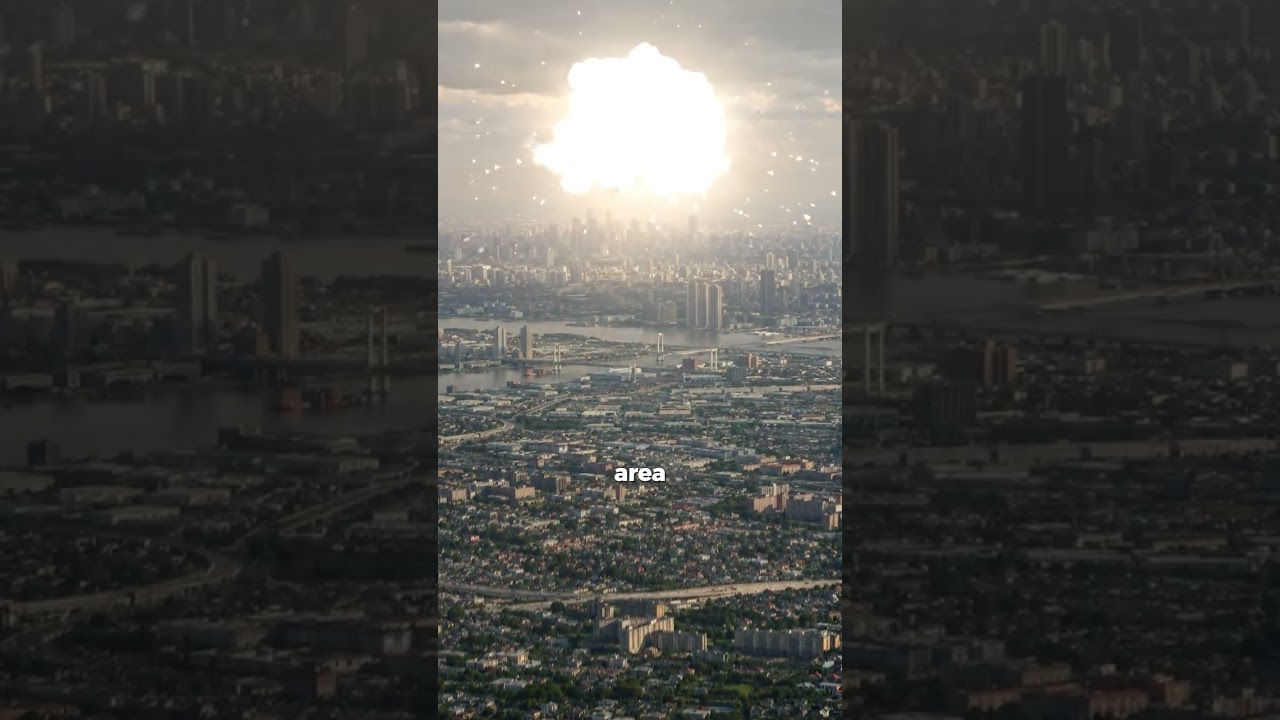
A single large comet, 20 to 30 miles across, doesn't have to hit intact to cause catastrophic damage. If it breaks apart on approach, the fragmentation alone could produce a million objects the size of the Tunguska impactor that exploded over Siberia in 1908. That one event released energy equivalent to a 15-megaton hydrogen bomb, 15 million tons of TNT. Had it detonated over any populated area, that city would have been obliterated. The structure of a comet nucleus makes this scenario not only possible but plausible. When you consider the physics of breakup during atmospheric entry or tidal disruption, you're not dealing with one impact. You're dealing with a cascade, a barrage that could blanket entire regions. Some fragments could be even larger than Tunguska. This isn't speculation. It's what the mechanics of cometary disintegration allow for, and it's a scenario the geological record may already contain evidence of.
Sentinel Indexing in Progress
Metadata and chapters are available. Claim extraction for this episode is pending.
All video content is delivered via YouTube embedded players in accordance with the YouTube Terms of Service. Sentinel provides research tools that promote discovery and accountability across political media.