The Randall Carlson
@therandallcarlson·632K subscribers·2.1K videos
Tunguska: The 15-Megaton Blast That Nearly Changed History
Posted
August 28, 2026
Views
9,903
Likes
460
Comments
5
Engagement
4.70%
August 28, 2026
9,903
460
5
4.70%
Every word spoken in this episode is indexed. Type any phrase to jump straight to the moment it was said.
Type any word or phrase that may have been spoken. Click a result to seek the player to that exact moment.
Try a name, a topic, or a quoted line
 0:17Now Playing
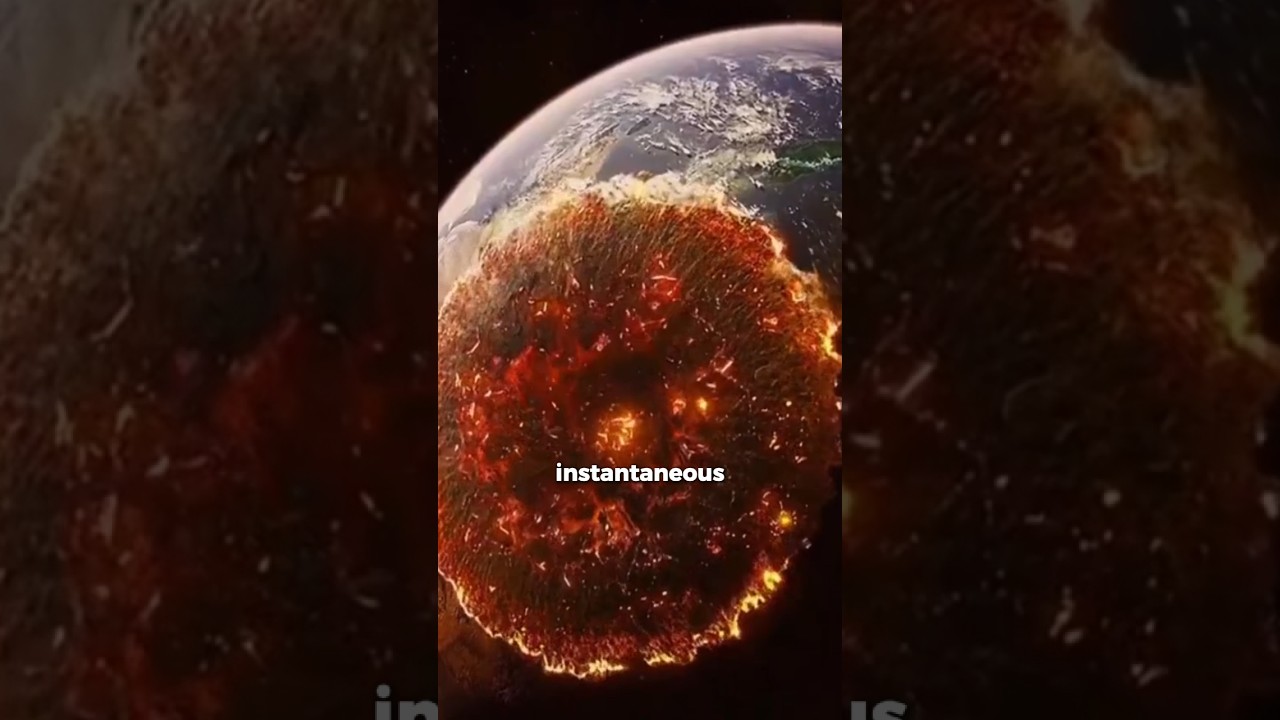
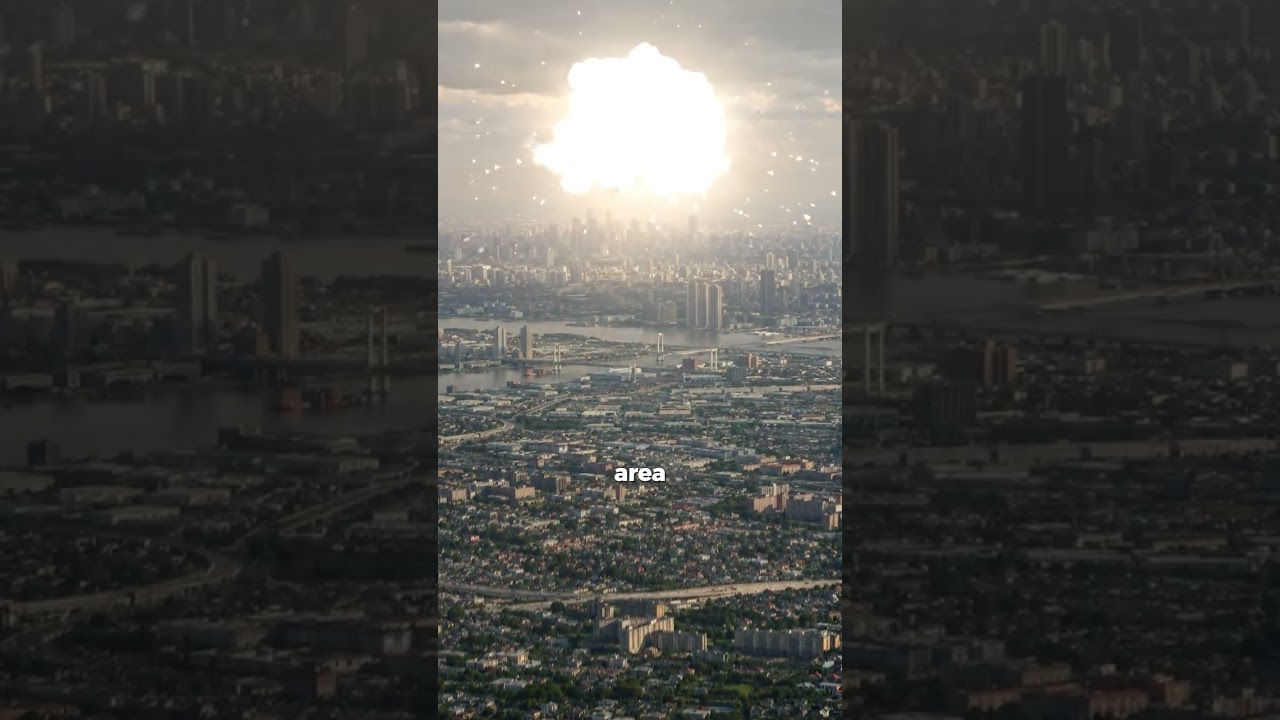
A 15-megaton airburst over any city would obliterate it entirely. The Tunguska event in 1908 delivered exactly that kind of energy, flattening 80 million trees across 830 square miles of remote Siberian forest. Had it detonated over Moscow, St. Petersburg, or any major population center, the death toll would have been catastrophic, and the course of twentieth century history fundamentally altered. The event was caused by a cosmic impactor, likely a comet fragment or asteroid, that exploded in the atmosphere before reaching the ground. No crater was left behind, only devastation radiating outward from the blast epicenter.
This is not ancient history or theoretical risk. It happened in 1908, within living memory of the modern industrial age. Carlson points to Tunguska as a stark reminder that Earth remains vulnerable to cosmic impacts, and that the consequences of such events are not evenly distributed by geography or timing. The randomness of where and when an impact occurs can reshape civilizations. If we ignore this reality, we do so at our own peril.
Ready to go deeper into the evidence and what it means for our future? Join the discussion at Kosmogonia University
Sentinel Indexing in Progress
Metadata and chapters are available. Claim extraction for this episode is pending.
All video content is delivered via YouTube embedded players in accordance with the YouTube Terms of Service. Sentinel provides research tools that promote discovery and accountability across political media.