The Ring of Fire
@theringoffire·1.4M subscribers·27K videos
Engineers Warned About FL Condo Collapse Years In Advance
Posted
July 1, 2021
Views
14,067
Likes
1,101
Comments
159
Engagement
8.96%
July 1, 2021
14,067
1,101
159
8.96%
Every word spoken in this episode is indexed. Type any phrase to jump straight to the moment it was said.
Type any word or phrase that may have been spoken. Click a result to seek the player to that exact moment.
Try a name, a topic, or a quoted line
See what was published immediately before and after this episode.
 4:34
4:34 3:51Now Playing
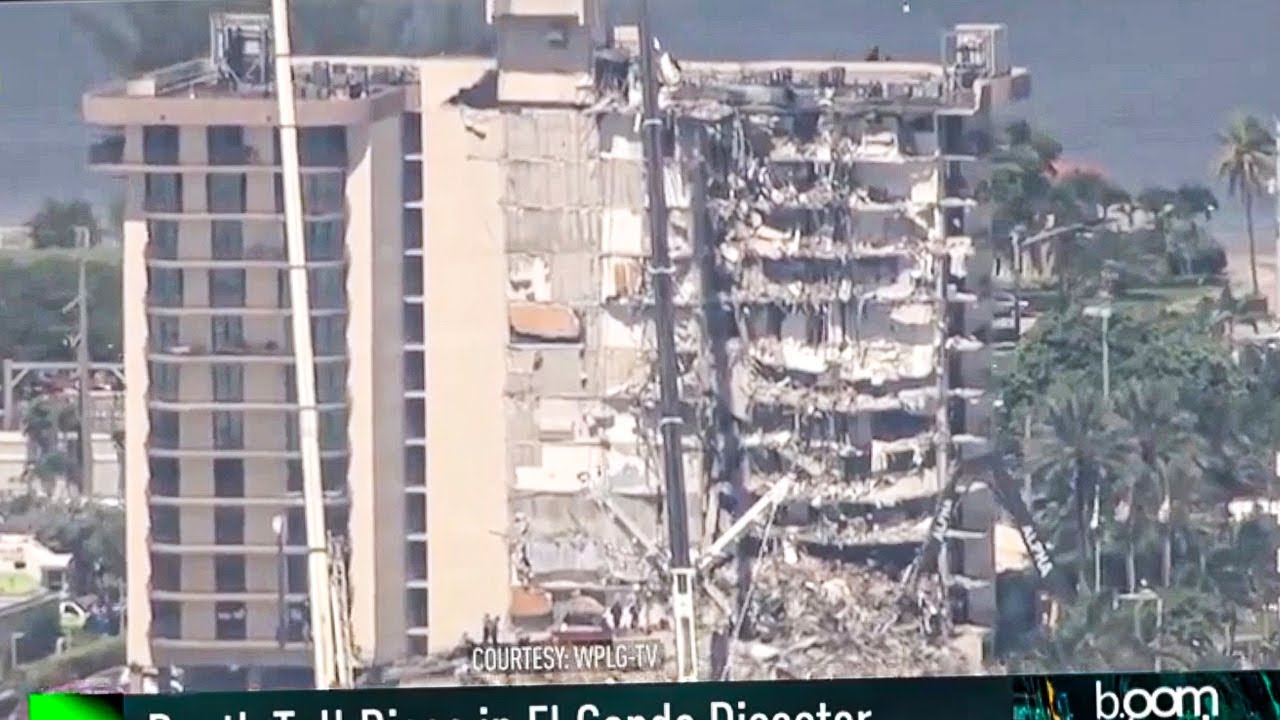
Via America’s Lawyer: Prior to the devastating condo collapse in Miami, engineers had known about structural red flags for years. Mike Papantonio and Farron Cousins discuss more.
Become a member today!
Support us by becoming a monthly patron on Patreon, and help keep progressive media alive!
Find our merchandise at Teespring
Spread the word! LIKE and SHARE this video or leave a comment to help direct attention to the stories that matter. And SUBSCRIBE to stay connected with Ring of Fire's video content!
Support Ring of Fire by subscribing to our YouTube channel
Be sociable! Follow us on:
Follow more of our stories at
Subscribe to our podcast
*This transcript was generated by a third-party transcription software company, so please excuse any typos.
The Miami apartment complex that collapsed last week shocked the nation, but it didn't shock the engineers who'd been warning about that possibility for years. They put it down on paper, didn't they, Farron? They said, here are the problems, you got cracks in the foundation. You got cracks in the wall. The whole building is sinking. The steel that's supposed to be surrounded with concrete, the cracks in that concrete is causing the steel to break down and corrode.
Yeah. And another thing too, the pool, you didn't slant it. So the water sits at the bottom underneath the pool, corroding the concrete. And as you said, that salt air from those cracks around the steel beams and that concrete, that helps erode that, the oxygen getting to it. And the engineers pointed this out in 2018 and they said, listen, you may not be in imminent danger of collapse, but the clock is ticking. Here are your problems. You need to address these as soon as possible. And even when you rewind even further than that, 2015, I think it was.
It was 2015.
Yeah. They, they faced a major lawsuit, which they ended up settling for similar problems with one of the tenants.
Yeah. This is not, this, this is not great intellectual analysis here, you know, you've got salt water. Okay. So on the salt water, the salt water corrodes. If you have cracks in the beams that hold the building up, that causes those beams to corrode. Other part of it is the, the, the building is sinking into the ground. And as it sinks into the ground, because it's built on sand, I don't care what kind of foundation you put in it, it's sinking on sand. And so there's supposed to be a re, kind of a relook every 40 years, 30 or 40 years, they're supposed to come in and recertify the safety of the building. So, so my understanding of this, that the worst thing about it is they were told, look, this is about a $10 million project. You know, go spend the $10 million. You've made hundreds and hundreds of millions on this building already. Spend the $10 million and they were supposed to meet about it.
Right. That, that that's one of the sickest parts is that this is, you know, a relatively cheap fix. You didn't have to go and break the bank for this. You had the money. They had, apparently in recent months, been meeting with contractors to actually start the bidding process. But again, that's still three years after the engineers gave you the warning. It's six years after the first lawsuit you faced over not fixing these issues. They knew about these problems for years and years and years, they dragged their feet, you know, waited as long as humanly possible. And unfortunately time caught up with them, time, beat them on this. And that's what led to this collapse and the deaths.
Yeah. I mean, you hear the 2018 report, there was no mention, they didn't, it wasn't top of the, top of the report. You know what, you're building could collapse, that's the risk. Do you really have to put that in there?
Right.
Of course not. These engineers understood that every part of what we were looking at has potential to, to fail. Now, the problem is that got the same architects and you have the same builders using the same architecture structure, using the same building materials, the same process that have built other buildings right along that line. Right?
Right. Including the sister property to this one, which has also been evacuated now. So yes, this could be a more systemic problem down there in South Florida. It certainly is a very vulnerable area for buildings. You know, the sea air, the salt, all of this adds up, the storms that they face, the effects of climate change in the region.
Yeah.
Are absolutely making these problems worse.
Yeah.
#rof #trofire #theringoffire #progressivenews
Sentinel Indexing in Progress
Metadata and chapters are available. Claim extraction for this episode is pending.
All video content is delivered via YouTube embedded players in accordance with the YouTube Terms of Service. Sentinel provides research tools that promote discovery and accountability across political media.