The Ring of Fire
@theringoffire·1.4M subscribers·27K videos
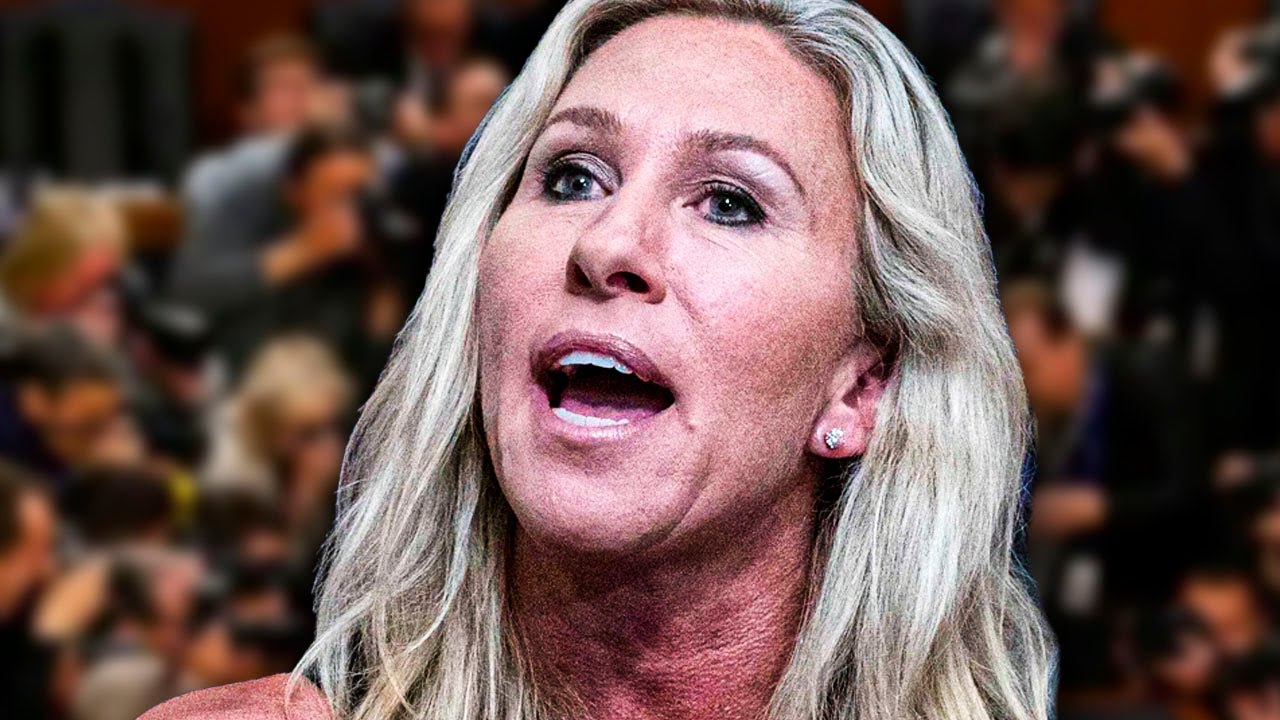
FDA Allowed Biogen To Use Elderly As Guinea Pigs For Alzheimer's Drug
Posted
January 4, 2022
Views
7,429
Likes
679
Comments
89
Engagement
January 4, 2022
7,429
679
89
10.34%
Every word spoken in this episode is indexed. Type any phrase to jump straight to the moment it was said.
Type any word or phrase that may have been spoken. Click a result to seek the player to that exact moment.
Try a name, a topic, or a quoted line
 5:34Now Playing
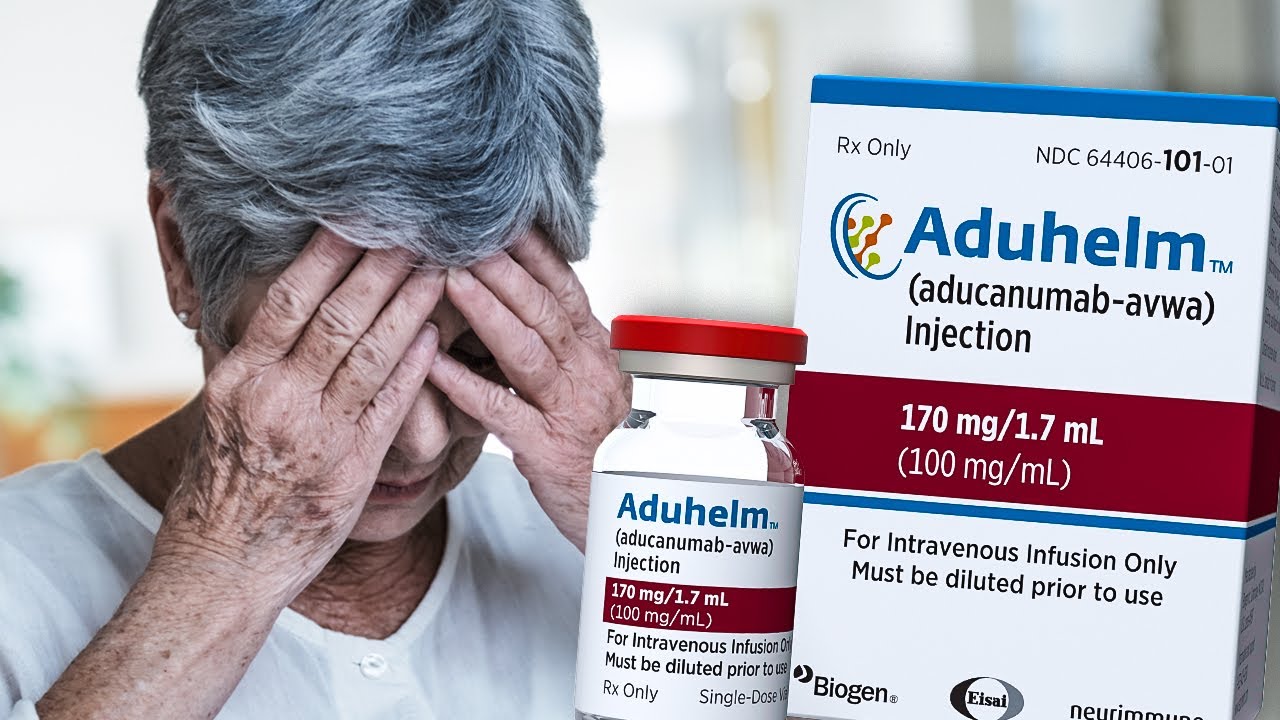
Via America’s Lawyer: Pharmaceutical giant Biogen is in the hot seat as lawmakers investigate concerns of drug safety and possible price gouging related to its Alzheimer’s drug Aduhelm, which may cause fatal brain swelling. Attorney Madeline Pendley joins Mike Papantonio to break down the medication’s questionable approval, despite failure to prove the drug’s efficacy.
Find out more about Aduhelm lawsuits at
Become a member today!
Support us by becoming a monthly patron on Patreon, and help keep progressive media alive!
Find our merchandise at Teespring
Spread the word! LIKE and SHARE this video or leave a comment to help direct attention to the stories that matter. And SUBSCRIBE to stay connected with Ring of Fire's video content!
Support Ring of Fire by subscribing to our YouTube channel
Be sociable! Follow us on:
Follow more of our stories at
Subscribe to our podcast
*This transcript was generated by a third-party transcription software company, so please excuse any typos.
Biogen is in the hot seat as lawmakers investigate concerns over drug safety and possible price gouging related to its Alzheimer's drug that have already killed users. Attorney Madeline Pendley joins me to talk about it. Maddie, first of all, this is not, this is not the first time with Biogen. They've got a really checkered history, but this is just a new story, isn't it?
Right. Biogen has a history of developing what's called niche drugs, you know, used to treat very specific things like Alzheimer's, like multiple sclerosis, putting it at an incredibly high price point and then not being forthcoming about the adverse event data that's associated with the drug. They've done it with other drugs in the past and they're doing it here. So Aduhelm is actually to treat Alzheimer's. But what it does is it clears plaque buildup in the brain, which may or may not have anything to do with the cognitive decline of Alzheimer's, that's the first issue here.
Okay. Well let me ask you that. So, so this got put on a fast track.
Right.
And with the fast track, you don't really have clinical data to prove that it works.
Right.
So the first time the FDA says, hell no, you can't sell this drug.
Right.
You may not sell the drug.
Right.
They come back again and they said, oh, well how about if we fast track it? It sounds so crazy.
It, it's really frustrating because like you mentioned, it, it was approved under the accelerated approval program, which is supposed to be just as thorough as the traditional approval program. But, here it seems like it's just a plan B to get this otherwise failing drug pushed through. So a couple things to note. One, in 2019 these manufacturers Biogen and Eisai had to stop clinical tests because they could already see they would not be able to prove that this drug slowed cognitive decline of Alzheimer's.
There was no proof of efficacy at all.
Right. So they stopped it because they didn't want the actual result. They said, that, that we've seen enough. This drug doesn't work. FDA agreed. For some reason in 2021, Aduhelm gets put back on the table in front of the FDA for review with basically the same information they've always had and this time it gets approved.
Well, we know why, because the same boneheads that have been appointed by this administration were the same boneheads in place from the last administration.
Right.
And they work for the, mostly for the pharmaceutical industry. The FDA doesn't work, I don't know why people have this in their head.
Right.
That the FDA protects them. But here, okay. So what, what's really bothersome is they say, no, we don't have any clinical showing.
Right.
That this actually works.
Right.
There's no clinical showing that it works. But we have a guess and the guess is that if we remove the plaques from the brain, it's going to cure the problem. Isn't that what they're saying here?
It, it is. And like you said, there's not enough data to show that that's the case. So what's happening is elderly people are being put on the medication in the hope that it will one, clear plaques from the brain. We don't even even know that it does that. And two, if it does, that they will, their Alzheimer's symptoms will be reduced. So they're using these older people as Guinea pigs and what's happening is they're suffering from brain bleeding, brain swelling and they're dying. So, so a couple things that have been going on in getting this drug approved.
#rof #trofire #theringoffire #progressivenews
Sentinel Indexing in Progress
Metadata and chapters are available. Claim extraction for this episode is pending.
All video content is delivered via YouTube embedded players in accordance with the YouTube Terms of Service. Sentinel provides research tools that promote discovery and accountability across political media.